Keresés
Vålassza ki a szótår nyelvét
that
Példåk
That looks delicious, what is it?
Az finomnak tƱnik, mi az?
1.1
az, ama
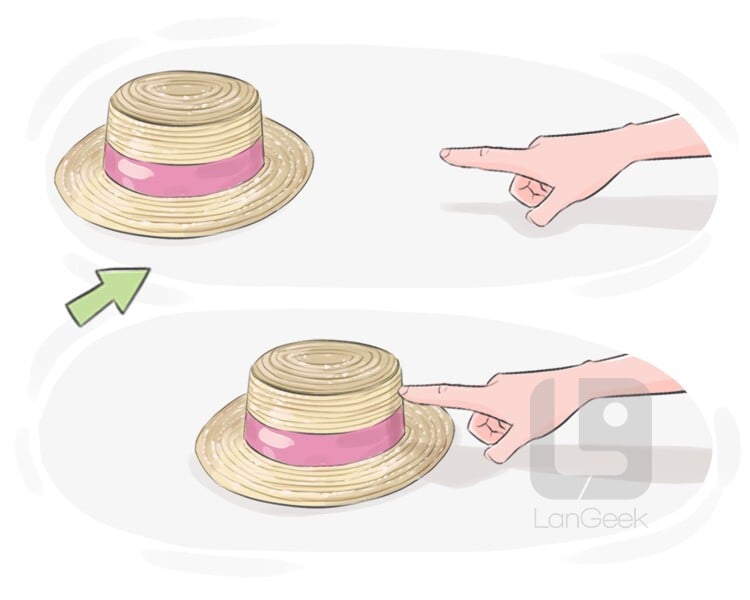
used to refer to the more distant of two things, in contrast to "this"
Példåk
I 'll take this slice and you can have that.
Ăn ezt a szeletet veszem, te pedig viheted azt.
02
az, ez
used to refer to a statement, idea, or event already introduced
Példåk
I forgot my umbrella. That was careless of me.
Elfelejtettem az esernyĆmet. Ez figyelmetlensĂ©g volt rĂ©szemrĆl.
03
az, ami
used to introduce or refer to something having a particular feature or characteristic
Példåk
He spoke of that which can not be spoken.
Azt mondta, amirĆl nem lehet beszĂ©lni.
Példåk
The woman that called earlier left a message.
A nĆ, aki korĂĄbban hĂvott, ĂŒzenetet hagyott.
05
az, ez
used after "and" for emphatic repetition or clarification
Példåk
He helped me, and that without being asked.
SegĂtett nekem, Ă©s ezt kĂ©rĂ©s nĂ©lkĂŒl.
06
ami, amit
used after a negative to express extent or awareness
Példåk
She has n't mentioned it that I know of.
Nem emlĂtette amennyire Ă©n tudom.
that
01
az, ez
used to indicate a specific person or thing that the speaker sees, hears, or is pointing to
Példåk
Do you hear that noise outside?
Hallod azt a zajt odakint?
1.1
az, ez
used to refer to the more distant of two people or things near the speaker
Példåk
That cup is yours; this one is mine.
Az a pohår a tiéd; ez az enyém.
Példåk
I missed the meeting on that day.
Lemaradtam a megbeszĂ©lĂ©srĆl azon a napon.
03
az, ez
used to identify or single out a person or thing with a notable or distinctive feature
Példåk
We bought that house with the red door.
MegvettĂŒk azt a hĂĄzat a piros ajtĂłval.
3.1
az, ez
used to refer to a specific person or thing that the listener is expected to recognize or be familiar with
Példåk
I heard that neighbor of yours finally moved out.
Hallottam, hogy az a szomszĂ©dod vĂ©gĂŒl kiköltözött.
that
01
hogy
used to introduce a subordinate clause expressing a statement, thought, or reported speech
Példåk
I believe that he will come through in the end.
Hiszem, hogy vĂ©gĂŒl sikerĂŒlni fog neki.
1.1
hogy, mert
used to introduce a clause giving the reason or cause for something
Példåk
She was nervous that everyone would judge her.
Ideges volt, hogy mindenki meg fogja ĂtĂ©lni.
1.2
hogy, Ășgyhogy
used to introduce a clause showing the result of something
Példåk
It was such a loud noise that everyone turned around.
Olyan hangos zaj volt, hogy mindenki megfordult.
02
bĂĄr, csak ha
used to express a strong wish, longing, or regret
Formal
Példåk
Would that it were true.
BĂĄrcsak igaz lenne.
that
Példåk
She did n't seem that impressed by the performance.
Nem tƱnt annyira lenyƱgözöttnek az elĆadĂĄstĂłl.
Példåk
I want the desk to be that long, right across the wall.
Azt akarom, hogy az ĂrĂłasztal olyan hosszĂș legyen, egĂ©szen a fal mentĂ©n.
1.2
olyan, annyira
used for emphasis in casual speech, often with negatives or understatement
Példåk
I did n't like it that much.
Nem tetszett annyira.