

Search
Select the dictionary language





























used to identify a specific person or thing observed or pointed out by the speaker
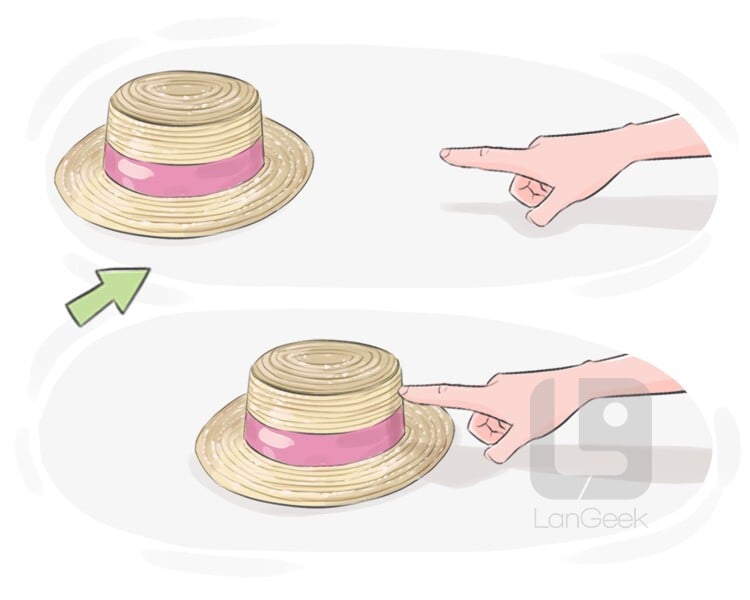
used to refer to the more distant of two things, in contrast to "this"
used to refer to a statement, idea, or event already introduced
used to introduce or refer to something having a particular feature or characteristic
used to introduce relative clauses that refer to people, animals, or things
used after "and" for emphatic repetition or clarification
used after a negative to express extent or awareness
used to indicate a specific person or thing that the speaker sees, hears, or is pointing to
used to refer to the more distant of two people or things near the speaker
used to refer to something previously mentioned, known, or understood in the context
used to identify or single out a person or thing with a notable or distinctive feature
used to refer to a specific person or thing that the listener is expected to recognize or be familiar with
used to introduce a subordinate clause expressing a statement, thought, or reported speech
used to introduce a clause giving the reason or cause for something
used to introduce a clause showing the result of something
used to express a strong wish, longing, or regret
used to emphasize the extent or degree of something
used for emphasis in casual speech, often with negatives or understatement


