






























that
例
That is my brother standing by the car.
あれが車のそばに立っている私の兄弟です。
1.1
あれ, それ
used to refer to the more distant of two things, in contrast to "this"
例
This pen writes better than that.
このペンはあれよりもよく書ける。
02
それ, あれ
used to refer to a statement, idea, or event already introduced
例
She said she got the job, that made my day.
彼女は仕事に就いたと言った、それが私の一日を良くした。
03
それ, あれ
used to introduce or refer to something having a particular feature or characteristic
例
People are drawn to that which they find familiar.
人々は、自分にとってなじみのあるものに引き寄せられます。
例
The book that I borrowed is amazing.
私が借りた本は素晴らしいです。
05
その, あれ
used after "and" for emphatic repetition or clarification
例
She was generous, and that to a fault.
彼女は寛大で、それが過ぎるほどだった。
06
その, こと
used after a negative to express extent or awareness
例
He hasn't done anything that I've seen.
彼は私が見た限りでは何もしていないという。
that
01
その, あの
used to indicate a specific person or thing that the speaker sees, hears, or is pointing to
例
Look at that bird on the fence.
あの柵の上の鳥を見て。
1.1
あの, その
used to refer to the more distant of two people or things near the speaker
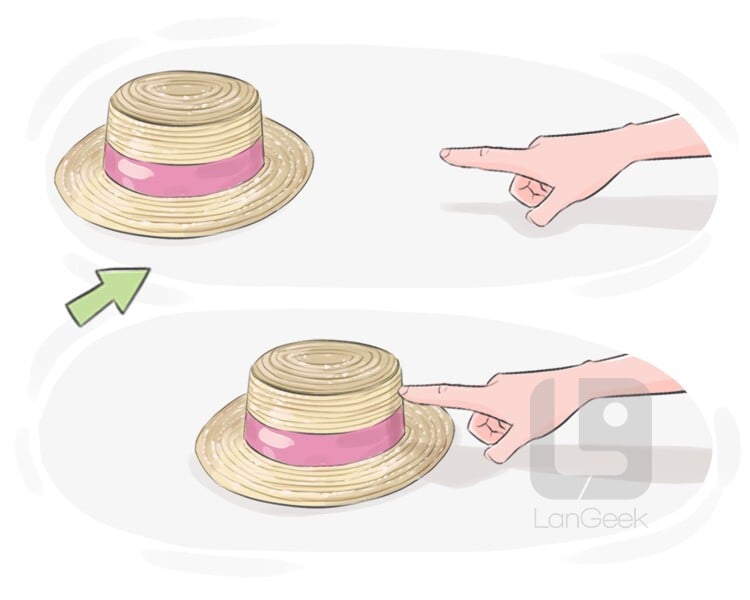
例
I'll take this seat, and you can have that one.
私はこの席に座ります、あなたはあの席に座れます。
例
He lived in Mysore at that time.
彼はその時、マイソールに住んでいました。
03
その, あの
used to identify or single out a person or thing with a notable or distinctive feature
例
I admire that teacher who inspired you.
私はあなたにインスピレーションを与えたあの先生を尊敬しています。
3.1
その, あの
used to refer to a specific person or thing that the listener is expected to recognize or be familiar with
例
Where is that son of yours hiding?
あなたのあの息子はどこに隠れていますか?
that
01
という
used to introduce a subordinate clause expressing a statement, thought, or reported speech
例
She said that she was satisfied with the results.
彼女は結果に満足していると言いました と。
1.1
ということ, ので
used to introduce a clause giving the reason or cause for something
例
He seemed pleased that I wanted to continue.
私が続けたいと思ったので、彼は喜んでいるようだった。
1.2
という, ほど
used to introduce a clause showing the result of something
例
She was so tired that she couldn't think clearly.
彼女はとても疲れていたので、はっきり考えることができなかった。
02
ああだったら, もしも
used to express a strong wish, longing, or regret
改まった
例
That I were young again!
ああ、もう一度若かったら!
that
文法情報
程度副詞
例
He didn't seem that interested in the topic.
彼はそのトピックにそれほど興味がないようだった。
例
The fish I caught was that big!
私が釣った魚はあんなに大きかった!
1.2
そんなに, 非常に
used for emphasis in casual speech, often with negatives or understatement
例
He wasn't that far away when it happened.
それが起こった時、彼はそれほど遠くにはいませんでした。


