Present
예시들
He always brings thoughtful presents whenever he visits, which shows how much he values our friendship.
그는 방문할 때마다 항상 사려 깊은 선물을 가져오는데, 이는 그가 우리의 우정을 얼마나 소중히 여기는지 보여줍니다.
02
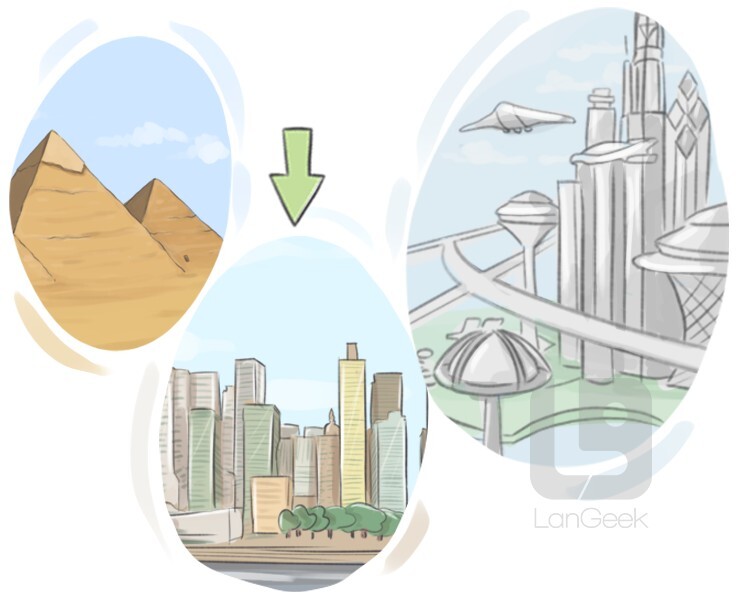
현재, 현재 순간
the period of time happening now, not before or after
예시들
Living in the present moment can lead to greater mindfulness and happiness.
현재 순간에 사는 것은 더 큰 정신적 경계와 행복으로 이어질 수 있습니다.
2.1
현재시제, 현재형
the verb tense used to describe actions or states that are happening right now or are generally true
예시들
The verbs in this sentence are all in the present to show ongoing actions.
이 문장의 동사는 모두 현재 시제로 진행 중인 행동을 보여줍니다.
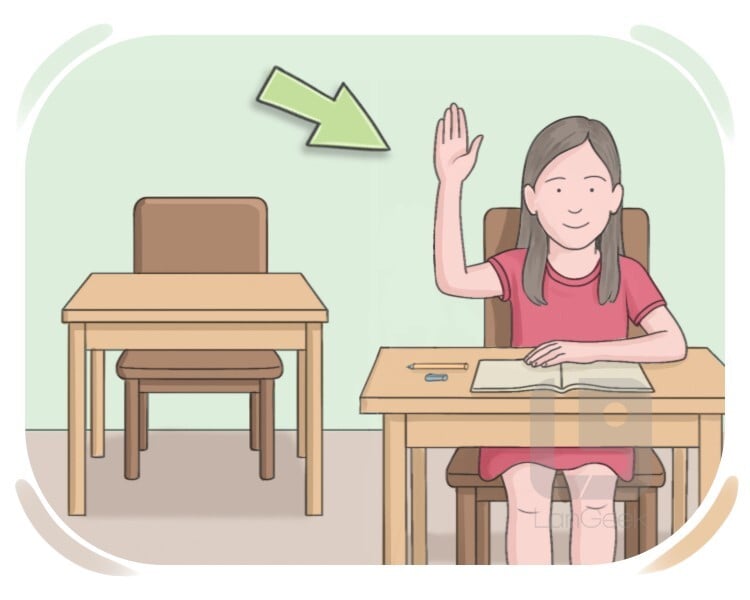
present
예시들
John was present at the conference and actively participated in the discussions.
존은 회의에 참석했고 토론에 적극적으로 참여했습니다.
1.1
현재의, 사용 가능한
(of things) being in a specific place or thing
예시들
A sense of tension was present in the room during the negotiations.
협상 중에 방에는 긴장감이 존재했다.
예시들
The present company enjoyed a relaxing afternoon at the park.
현재의 회사는 공원에서 편안한 오후를 즐겼습니다.
예시들
The present article addresses key points but leaves some questions unanswered.
현재 기사는 핵심 사항을 다루지만 일부 질문은 답변되지 않았습니다.
04
현재의, 주의 깊은
being completely attentive and mentally engaged in the current moment or activity
예시들
It 's hard to be present when you're constantly distracted by your phone.
휴대폰에 계속해서 방해를 받을 때 현재에 머무는 것은 어렵습니다.
05
현재, 현재의
(grammar) referring to a tense or participle that describes an action currently happening, a habitual action, or a state that exists at the current time
예시들
The sentence " He is studying now " uses the present continuous tense to show ongoing action.
문장 "그는 지금 공부하고 있다"는 진행 중인 동작을 나타내기 위해 현재 진행 시제를 사용합니다.
to present
01
제공하다, 선보이다
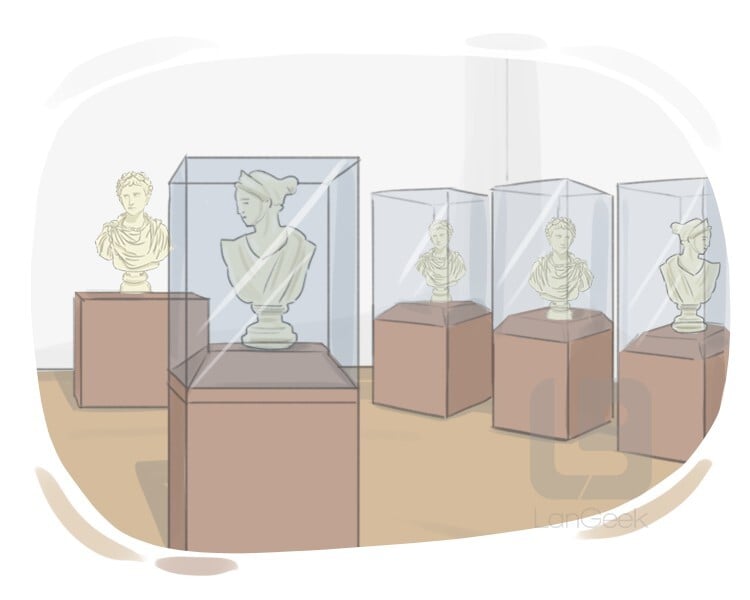
(of a producer or company) to offer a show or exhibition to the general public
Transitive: to present a show or exhibition
예시들
The local museum regularly presents historical artifacts and interactive exhibits to educate visitors about the region's heritage.
지역 박물관은 정기적으로 역사적 유물과 인터랙티브 전시를 제공하여 방문객들에게 지역의 유산에 대해 교육합니다.
02
제공하다, 공연하다
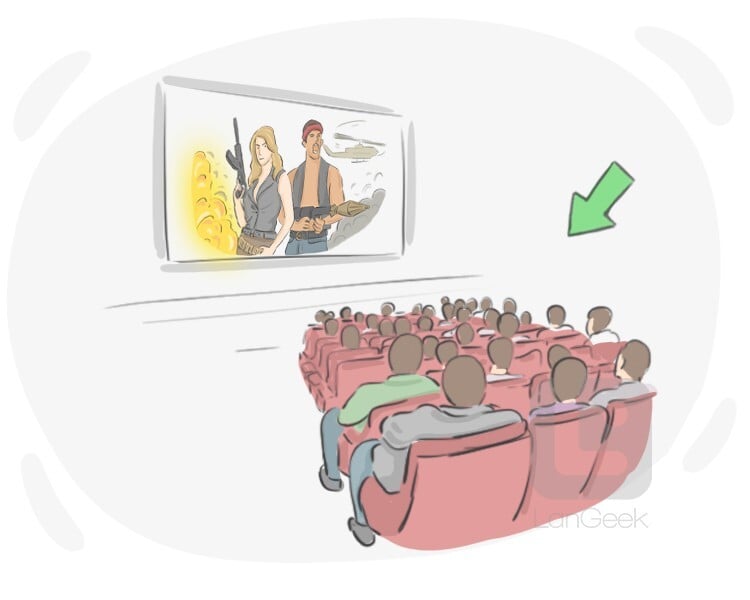
to put on or deliver a performance, production, or broadcast for an audience in a theatre, cinema, on television, or radio
Transitive: to present a performance or broadcast
예시들
The film festival will present several independent films from around the world.
영화제는 전 세계의 여러 독립 영화를 상영할 예정입니다.
03
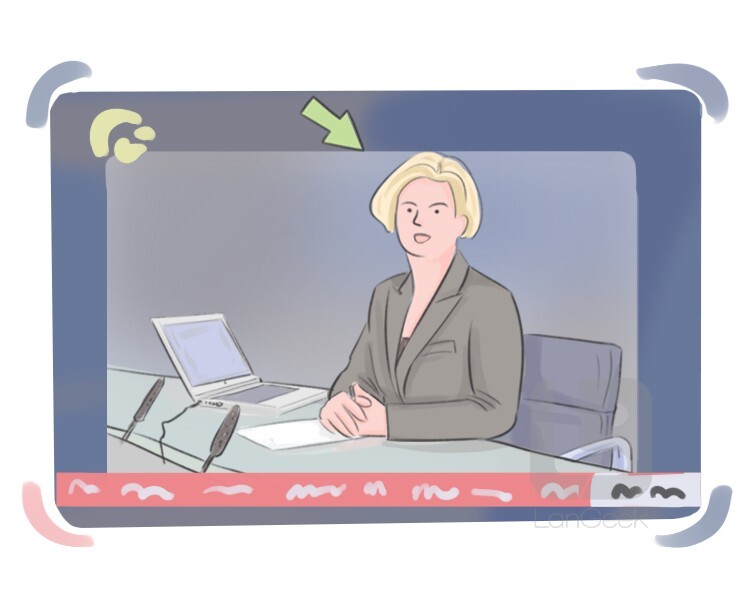
소개하다, 진행하다
to introduce different parts of a TV or radio program
Dialect
British
Transitive: to present a TV or radio program
예시들
The talk show host will present the guest speakers, providing background information and topics of discussion for the audience.
토크쇼 진행자는 게스트 스피커를 소개하고, 관객에게 배경 정보와 토론 주제를 제공할 것입니다.
04
발표하다, 제시하다
to deliver a speech or presentation that publicly expresses one's ideas, plans, etc.
Transitive: to present a speech or presentation
예시들
The advocate will present her case for environmental conservation at the community forum.
변호사는 커뮤니티 포럼에서 환경 보호를 위한 그녀의 사례를 발표할 것입니다.
05
선물하다, 제공하다
to give something to someone as a gift, often in a formal manner
Ditransitive: to present sb with a gift | to present a gift to sb
예시들
During the holidays, it's customary to present friends and family with thoughtful gifts.
휴일 동안, 친구와 가족에게 사려 깊은 선물을 선물하는 것이 관례입니다.
06
소개하다, 알려주다
to introduce or make someone known to another person in a formal or official manner
Ditransitive: to present sb to sb
예시들
It is my pleasure to present my friend Sarah to you; she's been eager to meet you.
제 친구 사라를 당신께 소개하게 되어 기쁩니다; 그녀는 당신을 만나고 싶어 했습니다.
07
제시하다, 보여주다
to show or give something to others for inspection, consideration, or approval
Complex Transitive: to present sth to sb
예시들
The author presented her manuscript to the publisher, hoping to secure a book deal for her debut novel.
저자는 데뷔 소설을 위한 출판 계약을 체결하기 위해 원고를 출판사에 제출했습니다.
예시들
At the beginning of the meeting, he stood up to present his apologies for the delay.
회의 시작에, 그는 지연에 대한 사과를 표명하기 위해 일어섰다.
09
제출하다, 넘기다
to officially give a financial document, such as a cheque or bill, for acceptance or payment
Transitive: to present a financial document
예시들
She presented the bill at the counter, expecting immediate payment.
그녀는 즉시 지불을 기대하며 카운터에서 청구서를 제출했습니다.
10
제시하다, 보여주다
to show or portray someone or something, often to convey a specific image
Transitive: to present an idea or concept
예시들
The film presents an alternative perspective on historical events.
이 영화는 역사적 사건에 대한 대안적인 관점을 제시합니다.
11
제시하다, 대표하다
to represent someone or something in a particular way
Transitive: to present sb/sth in a specific manner
예시들
The report presents the findings clearly and objectively.
보고서는 결과를 명확하고 객관적으로 제시합니다.
예시들
As tensions rose, the police officers cautiously presented their firearms, maintaining a defensive stance.
긴장이 고조되면서 경찰은 방어 자세를 유지하며 조심스럽게 총기를 조준했다.
13
제시하다, 보여주다
to have or exhibit particular signs or symptoms during a medical check-up
Transitive: to present with a sign or symptom
예시들
The elderly woman presents with joint pain and stiffness, suggestive of arthritis.
노년 여성은 관절 통증과 뻣뻣함을 보이며, 이는 관절염을 시사합니다.
13.1
나타나다, 보이다
(of a disease, disorder, etc.) to manifest through specific symptoms or signs
Intransitive: to present in a specific manner
예시들
This rare illness can present as abdominal pain or discomfort.
이 희귀병은 복통이나 불편감으로 나타날 수 있습니다.
14
제시하다, 제공하다
to create a situation, condition, etc.
Transitive: to present a situation or condition
예시들
Each season presents its own set of difficulties for farmers.
각 계절은 농부들에게 고유한 어려움을 제시합니다.
15
출석하다, 나타나다
to officially appear at a specific place, often as required by a formal request or obligation
Transitive: to present oneself | to present oneself somewhere
예시들
The witness must present himself in court tomorrow for testimony.
증인은 내일 증언을 위해 법정에 출석해야 합니다.
16
제출하다, 제시하다
to formally submit a charge, evidence, or complaint before a court for investigation or legal action
Transitive: to present a charge or evidence
예시들
The prosecutor presented new forensic evidence during the trial.
검사는 재판 중에 새로운 법의학적 증거를 제출했습니다.
어휘 나무
presentable
presentism
presentist
present