






























to ferment
01
발효시키다
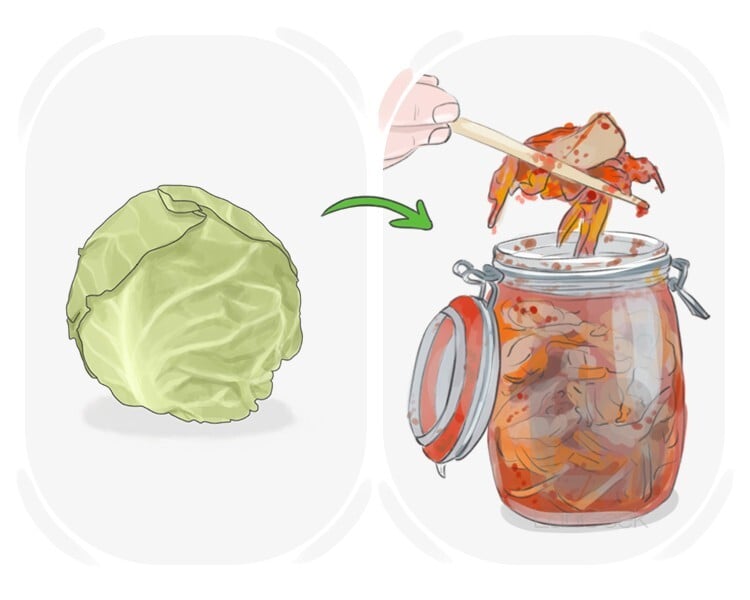
to trigger a process where microorganisms break down sugars in a substance, often creating alcohol or acids
Transitive: to ferment a substance
예시들
The baker uses yeast to ferment the dough and make it rise.
제빵사는 반죽을 발효시켜 부풀게 하기 위해 효모를 사용합니다.
문법 정보
형태적 구성
단순어
동작 동사
규칙
현재 시제
ferment
3인칭 단수
ferments
현재분사
fermenting
단순 과거
fermented
과거분사
fermented
예시들
The grapes began to ferment in the warm sun, transforming into wine over time.
포도는 따뜻한 햇살 아래에서 발효되기 시작하여 시간이 지나면서 와인으로 변했습니다.
03
발효시키다, 불안을 조장하다
to agitate individuals or groups and create trouble or unrest among them
Transitive: to ferment a negative reaction
예시들
The provocative speech by the politician fermented dissent among the crowd.
정치인의 도발적인 연설은 군중 사이에 불만을 발효시켰다.
04
발효하다, 끓다
to be in a state of disorder or unrest
Intransitive
예시들
In the wake of the controversial decision, unrest began to ferment within the community
논란이 된 결정 이후, 커뮤니티 내에서 불안이 발효하기 시작했다.
Ferment
01
발효, 흥분
a state of agitation, excitement, or unrest, often associated with rapid change or transformation
문법 정보
유생성 상태
추상
형태적 구성
합성어
가산
singular
not gender specific
복수형
ferments
예시들
The political scandal caused a ferment within the government, leading to calls for reform.
정치 스캔들은 정부 내에서 발효를 일으켜 개혁을 요구하는 목소리가 나오게 했다.
02
발효, 효모
a natural process where tiny organisms like yeast turn sugars into alcohol and other byproducts without air
예시들
During the ferment, bubbles of gas rose to the surface of the grape juice.
발효 동안, 기포가 포도 주스의 표면으로 떠올랐다.
03
발효제, 효모
an agent such as yeast or bacteria added to food or drink to start the ferment process
예시들
The baker sprinkled a ferment into the dough so the bread would rise.
제빵사가 빵이 부풀도록 반죽에 발효제를 뿌렸습니다.
LanGeek
모바일 앱 다운로드

어휘 나무
fermented
fermenting
ferment

