






























to ferment
01
发酵
to trigger a process where microorganisms break down sugars in a substance, often creating alcohol or acids
Transitive: to ferment a substance
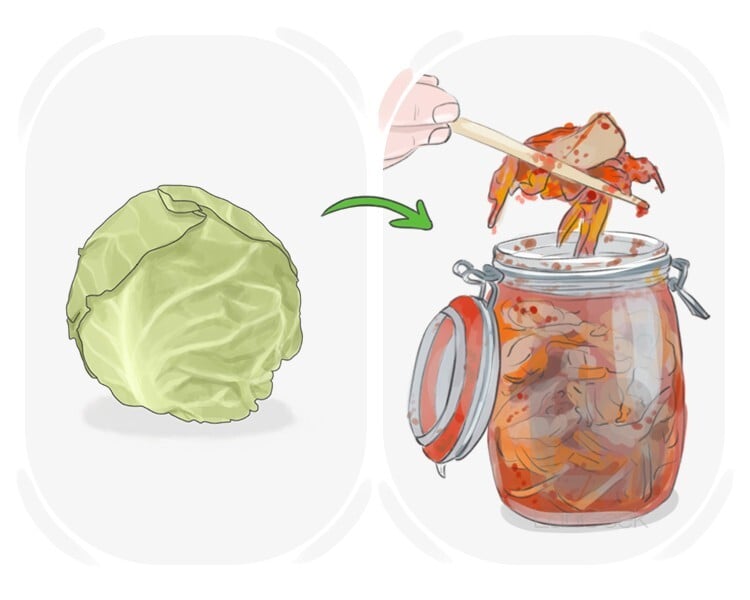
例子
The baker uses yeast to ferment the dough and make it rise.
面包师使用酵母来发酵面团并使其膨胀。
语法信息
形态构成
简单词
动作动词
规则
现在时
ferment
第三人称单数
ferments
现在分词
fermenting
一般过去时
fermented
过去分词
fermented
例子
The grapes began to ferment in the warm sun, transforming into wine over time.
葡萄在温暖的阳光下开始发酵,随着时间的推移变成了葡萄酒。
03
发酵, 煽动
to agitate individuals or groups and create trouble or unrest among them
Transitive: to ferment a negative reaction
例子
The provocative speech by the politician fermented dissent among the crowd.
政治家的挑衅性言论在人群中发酵了异议。
04
发酵, 沸腾
to be in a state of disorder or unrest
Intransitive
例子
In the wake of the controversial decision, unrest began to ferment within the community
在有争议的决定之后,社区内开始酝酿不安。
Ferment
01
发酵, 骚动
a state of agitation, excitement, or unrest, often associated with rapid change or transformation
语法信息
有生性状态
抽象
形态构成
复合词
可数
singular
not gender specific
复数形式
ferments
例子
The political scandal caused a ferment within the government, leading to calls for reform.
政治丑闻在政府内部引起了骚动,导致改革的呼声。
02
发酵, 酵母
a natural process where tiny organisms like yeast turn sugars into alcohol and other byproducts without air
例子
During the ferment, bubbles of gas rose to the surface of the grape juice.
在发酵过程中,气泡上升到葡萄汁的表面。
03
发酵剂, 酵母
an agent such as yeast or bacteria added to food or drink to start the ferment process
例子
The baker sprinkled a ferment into the dough so the bread would rise.
面包师在面团中撒入发酵剂,以便面包发酵膨胀。
LanGeek
下载我们的移动应用

词汇树
fermented
fermenting
ferment

