strike
strike
straÉȘk
straik
/stÉčˈa‌ÉȘk/

A(z) „strike” jelentĂ©se Ă©s meghatĂĄrozĂĄsa angolul

to strike
01

ĂŒt, ver

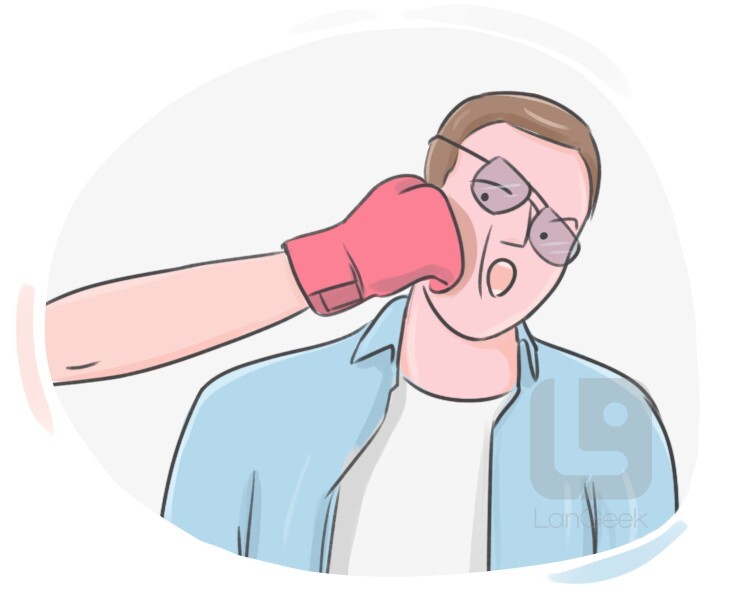
to hit using hands or weapons
Transitive: to strike sb/sth with sth
to strike definition and meaning
Példåk
In self-defense, she struck the assailant with a swift kick to the abdomen.
ÖnvĂ©delembƑl ĂŒtött a tĂĄmadĂłt egy gyors rĂșgĂĄssal a hasba.
02

ĂŒt, tĂĄmad

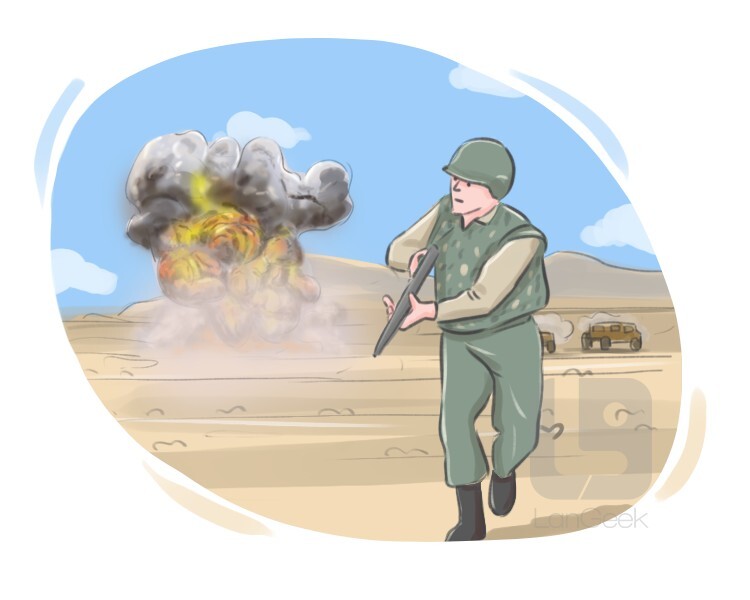
to launch a planned and forceful attack against an enemy or target
Transitive: to strike an enemy target
to strike definition and meaning
Példåk
They decided to strike key targets to weaken the opponent ’s defenses.
Úgy döntöttek, hogy tĂĄmadjĂĄk a kulcsfontossĂĄgĂș cĂ©lpontokat, hogy gyengĂ­tsĂ©k az ellenfĂ©l vĂ©delmĂ©t.
03

sztråjkol, sztråjkba lép

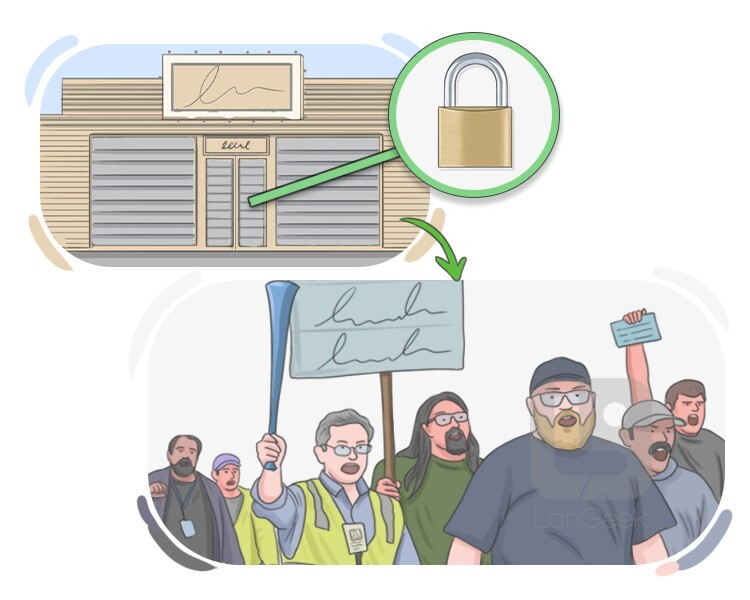
to stop working as a sign of protest against some work issues, such as low wages, poor working conditions, etc.
Intransitive
to strike definition and meaning
Példåk
They will strike if the company does not address their concerns.
SztrĂĄjkot fognak tartani, ha a vĂĄllalat nem foglalkozik az aggodalmaikkal.
04

megĂŒt, mĂ©lyen hat

to deeply influence or cause someone to experience a powerful mental or emotional reaction
Transitive: to strike sb with an emotion or impression
Példåk
The tragic scene in the movie struck the audience with profound sadness.
A film tragikus jelenete mĂ©ly szomorĂșsĂĄggal ĂŒtötte meg a közönsĂ©get.
05

ĂŒt, megĂŒt

to come into contact with something in a forceful manner
Intransitive
Példåk
The arrow struck, finding its mark in the target.
A nyíl eltalålta, megtalålva a jelét a célban.
06

ĂŒt, kong

to announce or indicate the time by producing a chime or stroke
Transitive: to strike a specific time
Példåk
As we sat in the church, the bells struck the hour.
Amikor a templomban ĂŒltĂŒnk, a harangok ĂŒtöttĂ©k az ĂłrĂĄt.
07

megĂŒt, sĂșjt

to happen abruptly and cause harm, damage, or suffering
Transitive: to strike people or places
Példåk
A severe drought struck the region, ruining the crops.
SĂșlyos szĂĄrazsĂĄg sĂșjtotta le a rĂ©giĂłt, tönkretĂ©ve a termĂ©st.
08

kivĂĄlt, meggyĂșjt

to cause an electric arc to form between the electrodes of an arc lamp
Transitive: to strike an electric arc
Példåk
When the power was turned on, the electrician struck the arc lamp, lighting up the entire room.
Amikor bekapcsoltĂĄk az ĂĄramot, az elektromos megĂŒtötte az Ă­vlĂĄmpĂĄt, megvilĂĄgĂ­tva az egĂ©sz szobĂĄt.
09

ĂŒt, jĂĄtszik

to play a musical instrument by hitting it, typically with the hand or a stick
Transitive: to strike a musical instrument
Példåk
She struck the strings of the guitar with her fingertips, producing a melodic riff.
Az ujjbegyeivel megĂŒtötte a gitĂĄr hĂșrjait, melĂłdiĂĄs riffet keltve.
10

elér, megszerez

to achieve or attain something, often through effort or action
Transitive: to strike an achievement
Példåk
After months of searching, they struck a solution to the problem.
Hónapokig tartó keresés utån megtalåltåk a probléma megoldåsåt.
11

ĂŒt, Ă©r

(of light) to fall upon or hit an object or surface
Transitive: to strike a surface or object
Példåk
A beam of light struck the surface of the lake, creating a shimmering effect.
Egy fĂ©nysugĂĄr megĂŒtötte a tĂł felszĂ­nĂ©t, csillogĂł hatĂĄst keltve.
12

ĂĄthĂșz, töröl

to cancel, eliminate, or mark for deletion, often by drawing a line through the text or item
Transitive: to strike a part of a text
Példåk
The editor decided to strike several paragraphs from the manuscript.
A szerkesztƑ Ășgy döntött, hogy kihĂșz több bekezdĂ©st a kĂ©ziratbĂłl.
13

dörzsöl, csiklandoz

to make a fire or spark while two surfaces are rubbed against each other
Transitive: to strike a combustible object | to strike a combustible object against sth
Példåk
They struck flint against steel to start a campfire.
ÜtöttĂ©k a kovĂĄt acĂ©lba, hogy gyĂșjtsanak tĂĄbortĂŒzet.
14

rĂĄakad, vĂ©letlenĂŒl talĂĄl

to find or encounter something unexpectedly or by chance
Transitive: to strike sth
Példåk
The explorers struck a rich vein of gold deep in the mountains.
A felfedezƑk egy gazdag aranyeret talĂĄltak a hegyek mĂ©lyĂ©n.
15

köt, létrehoz

to successfully reach, achieve, or establish something that requires agreement or compromise
Transitive: to strike an agreement or compromise
Példåk
They managed to strike a balance between work and personal life.
SikerĂŒlt megtalĂĄlniuk az egyensĂșlyt a munka Ă©s a magĂĄnĂ©let között.
16

ĂŒt, ĂĄtĂŒt

to make a sudden or forceful entry into or through something
Intransitive: to strike into sth | to strike through sth
Példåk
The arrow struck deep into the target, piercing its center.
A nyĂ­l mĂ©lyen eltalĂĄlta a cĂ©lt, ĂĄtszĂșrva annak közepĂ©t.
17

kiegyenlĂ­t, kisimĂ­t

to smooth or shape a surface, such as a mold or material, using a tool
Transitive: to strike a malleable material
Példåk
He carefully struck the surface of the concrete mold to ensure it was even.
Óvatosan megĂŒtötte a betonforma felĂŒletĂ©t, hogy biztosĂ­tsa annak egyenessĂ©gĂ©t.
18

ver, bélyegez

to produce a coin or medal by pressing a design onto metal using a die
Transitive: to strike a medal or coin
Példåk
The artist ’s design was carefully engraved onto the die used to strike the medal.
A mƱvĂ©sz terve gondosan volt gravĂ­rozva a pĂ©nzverƑ lenyomatra, amelyet az Ă©rem verĂ©sĂ©hez hasznĂĄltak.
19

bont, leszerel

to dismantle or take down a tent or a group of tents from an encampment
Transitive: to strike tents or a camp
Példåk
The soldiers were ordered to strike camp and move out by dawn.
A katonåknak parancsba adtåk, hogy bontsåk le a tåbort és induljanak hajnalban.
20

ĂŒtközik, megĂŒt

to hit something accidentally, usually with part of one's body
Transitive: to strike a body part against sth | to strike a body part on sth
Példåk
She struck her head on the shelf as she stood up.
MegĂŒtötte a fejĂ©t a polcon, amikor felĂĄllt.
21

felvenni, megjĂĄtszani

to take on or assume a particular role, attitude, appearance, or quality
Transitive: to strike an attitude or appearance
Példåk
The team struck a defensive formation as soon as the game started.
A csapat vĂ©dekezƑ felĂĄllĂĄst vett fel, amint a jĂĄtĂ©k elkezdƑdött.
22

ĂŒt, megragad

to cause someone to suddenly experience a specific emotion.
Transitive: to strike an emotion
Példåk
The haunting image struck sorrow deep within me.
A kĂ­sĂ©rteties kĂ©p mĂ©ly szomorĂșsĂĄgot vert belĂ©m.
01

sztrĂĄjk, munkabeszĂŒntetĂ©s

a collective refusal to work by employees to protest conditions, pay, or policies
02

tĂĄmadĂĄs, csapĂĄs

an attack intended to damage, seize, or destroy a target
Példåk
Cybersecurity teams prevented a strike on the network.
A kiberbiztonsĂĄgi csapatok megakadĂĄlyoztak egy tĂĄmadĂĄst a hĂĄlĂłzaton.
03

strike, tökéletes dobås

(in bowling) a perfect score in tenpins, achieved by knocking down all ten pins with the first ball
04

siker, mesteri csapĂĄs

a notable success
05

strike, ĂŒtĂ©s

(baseball) a pitch that the batter swings at and misses, or that the umpire calls within the strike zone
Példåk
The count is now 0-2 after two consecutive strikes.
Az ĂĄllĂĄs most 0-2 kĂ©t egymĂĄs utĂĄni ĂŒtĂ©s utĂĄn.
06

könnyƱ ĂŒtĂ©s, enyhe csapĂĄs

a gentle or light blow
Példåk
A strike of the hammer tapped the nail into place.
Egy ĂŒtĂ©s a kalapĂĄccsal helyĂ©re verte a szöget.
LanGeek
Alkalmazås Letöltése
langeek application

Download Mobile App

App Store