Keresés
Vålassza ki a szótår nyelvét
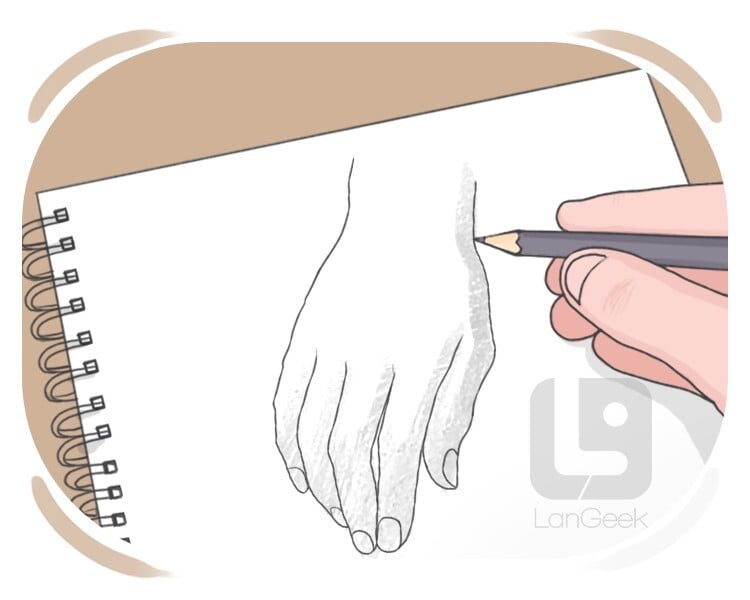
to draw
01
rajzol
to make a picture of something using a pencil, pen, etc. without coloring it
Transitive: to draw a picture
Példåk
My little brother is able to draw a perfect circle freehand.
Az öcsém képes tökéletes kört rajzolni szabad kézzel.
02
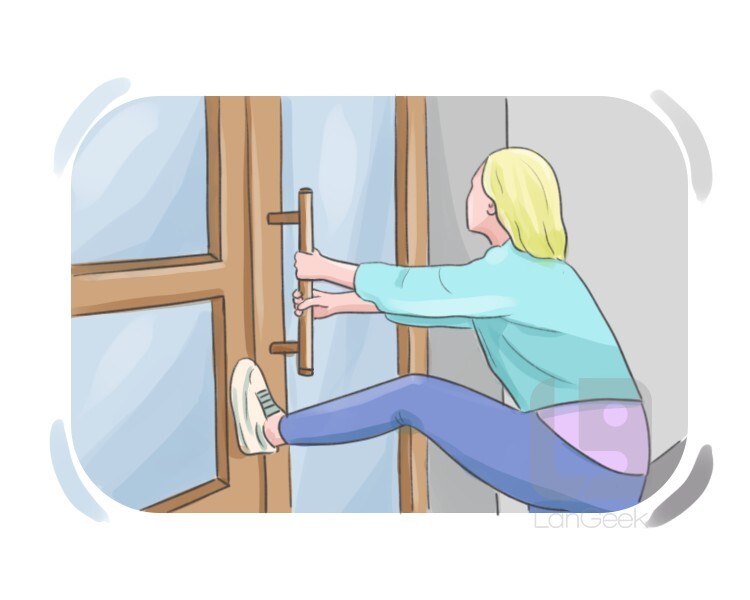
hĂșz, vonz
to cause something to move toward oneself or in a particular direction by pulling it
Transitive: to draw sth
Példåk
The tractor was powerful enough to draw the plow through the tough soil.
A traktor elĂ©g erĆs volt ahhoz, hogy hĂșzza az ekĂ©t a kemĂ©ny talajon.
03
rajzol, leĂr
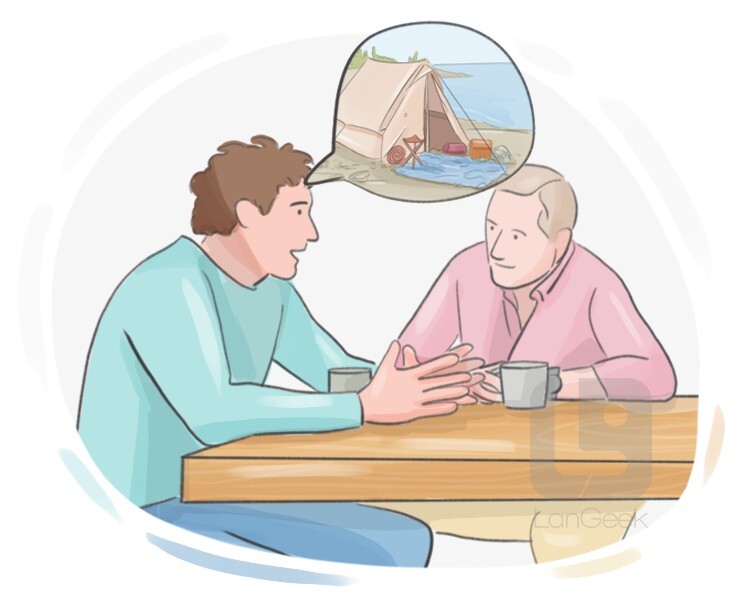
to provide a depiction, portrayal, or description of something using words or images
Transitive: to draw a description of something
Példåk
During the guided tour, the docent drew a detailed picture of the historical events that shaped the museum's artifacts.
A vezetett tĂșra sorĂĄn a kalauz rĂ©szletes kĂ©pet rajzolt a mĂșzeum tĂĄrgyait formĂĄlĂł törtĂ©nelmi esemĂ©nyekrĆl.
04
következtet, levon
to deduce or make a conclusion based on available information or reasoning
Transitive: to draw a conclusion
Példåk
Detectives had to draw connections between the scattered clues to solve the mystery.
A nyomozĂłknak össze kellett kötniĂŒk a szĂ©tszĂłrt nyomokat, hogy megoldjĂĄk a rejtĂ©lyt.
05
rajzol, vonalat hĂșz
to create a line or mark, often with a writing instrument, on a surface
Transitive: to draw a line or mark
Példåk
The artist carefully drew a straight line across the canvas as the starting point for the composition.
A mƱvĂ©sz gondosan megrajzolt egy egyenes vonalat a vĂĄsznon, mint a kompozĂciĂł kiindulĂłpontjĂĄt.
06
merĂt, nyer
to obtain or derive information, knowledge, or inspiration from a specified origin
Transitive: to draw knowledge or inspiration from a source
Példåk
In the courtroom, lawyers draw legal precedents from past cases to strengthen their arguments.
A bĂrĂłsĂĄgon az ĂŒgyvĂ©dek jogi precedenseket merĂtenek a mĂșltbeli esetekbĆl, hogy megerĆsĂtsĂ©k Ă©rveiket.
07
kihĂșz, elĆvesz
to remove a weapon from its holder or sheath, typically in preparation for use
Transitive: to draw a weapon
Példåk
The gunslinger had a reputation for being the fastest to draw his pistols in the Wild West.
A lövĂ©sz hĂrneve szerint a leggyorsabb volt a pisztolyai elĆhĂșzĂĄsĂĄban a Vadnyugaton.
Példåk
The company initiated a recruitment drive to draw talented professionals from various universities and industries.
A cĂ©g egy toborzĂĄsi kampĂĄnyt indĂtott, hogy tehetsĂ©ges szakembereket vonzzon kĂŒlönbözĆ egyetemekrĆl Ă©s iparĂĄgakbĂłl.
09
hĂșz, kivon
to extract or remove liquid from a receptacle
Transitive: to draw a liquid | to draw liquid from a source
Példåk
She reached for the pitcher to draw water and fill her glass.
Megfogta a kancsót, hogy merjen vizet és megtöltse a poharåt.
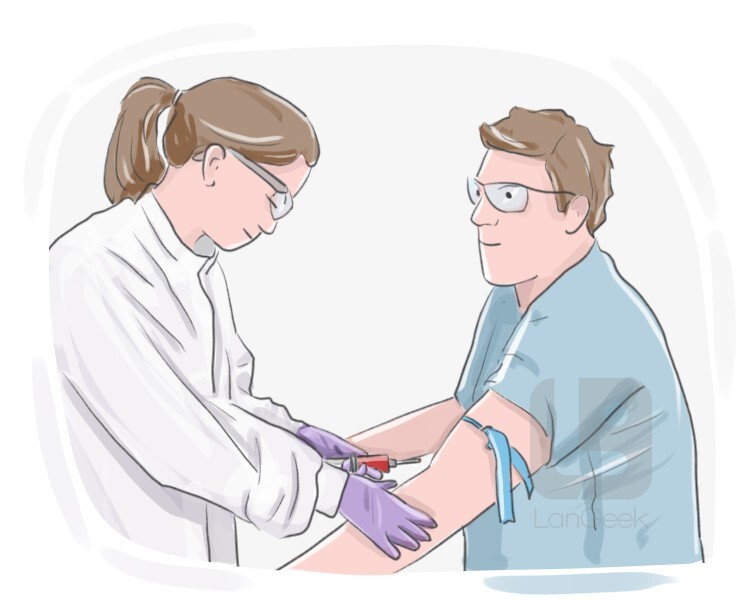
9.1
venni, mintĂĄt venni
to remove a sample of bodily fluids, such as blood or urine, from a person's body for medical testing or diagnosis
Transitive: to draw bodily fluids
Példåk
To evaluate joint health, the rheumatologist may decide to draw synovial fluid from the affected joint.
Az ĂzĂŒletek egĂ©szsĂ©gĂ©nek Ă©rtĂ©kelĂ©sĂ©hez a reumatolĂłgus Ășgy dönthet, hogy kiveszi a szinoviĂĄlis folyadĂ©kot az Ă©rintett ĂzĂŒletbĆl.
10
belĂ©legez, beszĂv
to take air or a substance into the lungs by inhaling
Transitive: to draw air or a substance
Példåk
She used the straw to draw in the aromatic steam rising from her cup of hot tea.
A szĂvĂłszĂĄlat hasznĂĄlta, hogy belĂ©legezze az illatos gĆzt, amely a forrĂł teĂĄs csĂ©szĂ©jĂ©bĆl emelkedett fel.
11
kivĂĄlt, provokĂĄl
to elicit or provoke a particular reaction or response
Transitive: to draw a reaction
Példåk
The thrilling plot twists in the movie were designed to draw gasps from the viewers.
A film izgalmas cselekmĂ©nyfordulatait azĂ©rt terveztĂ©k, hogy a nĂ©zĆkbĆl kivĂĄltsĂĄk a sĂłhajtĂĄsokat.
12
közeledik, halad
to move in a continuous, measured, or consistent manner
Intransitive: to draw somewhere
Példåk
The ship slowly drew away from the harbor, setting sail for a distant destination.
A hajĂł lassan eltĂĄvolodott a kikötĆtĆl, Ă©s tĂĄvoli cĂ©l felĂ© indult.
13
hĂșz, kivĂĄlaszt
to select or pick something or someone by chance
Transitive: to draw sth
Példåk
To determine the order of presentations, the teacher asked each student to draw a number from a hat.
A prezentĂĄciĂłk sorrendjĂ©nek meghatĂĄrozĂĄsĂĄhoz a tanĂĄr megkĂ©rte minden diĂĄkot, hogy hĂșzzon egy szĂĄmot egy kalapbĂłl.
14
kivenni, kivonni
to withdraw funds from a financial institution or an account
Transitive: to draw money
Példåk
Customers can use ATMs to conveniently draw cash from their checking accounts.
Az ĂŒgyfelek hasznĂĄlhatjĂĄk az ATM-eket, hogy kĂ©nyelmesen kivehessĂ©k a pĂ©nzt folyĂłszĂĄmlĂĄikrĂłl.
15
vonz, csĂĄbĂt
to lead or attract someone toward a specific place, situation, or course of action, often by exerting an appealing force or influence
Transitive: to draw sb somewhere | to draw sb/sth
Példåk
The enticing aroma of freshly baked cookies always draws the children into the kitchen.
A frissen sĂŒlt sĂŒtemĂ©nyek csĂĄbĂtĂł illata mindig vonzza a gyerekeket a konyhĂĄba.
16
hĂșz, csĂșsztat
to pull, slide, or maneuver an object in a particular direction, typically to reveal or expose what is underneath
Transitive: to draw sth to a direction
Példåk
The magician theatrically drew the velvet cloth over the mysterious object.
A bƱvĂ©sz drĂĄmai mozdulattal hĂșzta a bĂĄrsonyszövetet a titokzatos tĂĄrgy fölĂ©.
17
megfogalmaz, elĆkĂ©szĂt
to create or prepare a written document
Transitive: to draw a written document
Példåk
In preparation for the meeting, the executive assistant needed to draw a concise agenda for the participants.
Az ĂŒgyfĂ©lfogadĂĄs elĆkĂ©szĂtĂ©sekĂ©nt az ĂŒgyvezetĆ asszisztensnek tömör napirendet kellett összeĂĄllĂtania a rĂ©sztvevĆk szĂĄmĂĄra.
18
vonz, kivon
to bring or gather fluids, such as blood or pus, to a specific area or point in the body
Transitive: to draw sth somewhere
Példåk
To treat a splinter, applying a mixture of baking soda and water may help draw the foreign object to the surface.
Egy szĂĄlka kezelĂ©sĂ©hez a szĂłdabikarbĂłna Ă©s vĂz keverĂ©kĂ©nek felvitele segĂthet a kĂŒlön tĂĄrgy felĂŒletre hĂșzĂĄsĂĄban.
19
hĂșz, szorĂt
to exert force or influence that results in reducing the size, dimensions, or looseness of an object
Transitive: to draw a fabric or thread
Példåk
When you tie a knot, it will draw the rope tightly together.
Amikor csomĂłt kötsz, az összehĂșzza a kötelet.
20
hĂșz, nyĂșjt
to alter the form or dimensions of an object by applying force to it, often involving pulling or stretching
Transitive: to draw sth
Példåk
She used her hands to draw the clay into a long, thin strand for pottery.
A kezĂ©t hasznĂĄlta, hogy a agyagot hosszĂș, vĂ©kony szĂĄlba hĂșzza a kerĂĄmia szĂĄmĂĄra.
21
zsigerel, belekĂ©szĂt
to disembowel or remove the internal organs
Transitive: to draw an animal
Példåk
Farmers are trained in the proper technique to draw poultry efficiently and hygienically.
A gazdĂĄkat a baromfi hatĂ©kony Ă©s higiĂ©nikus kibelezĂ©sĂ©nek megfelelĆ technikĂĄjĂĄban kĂ©pezik ki.
22
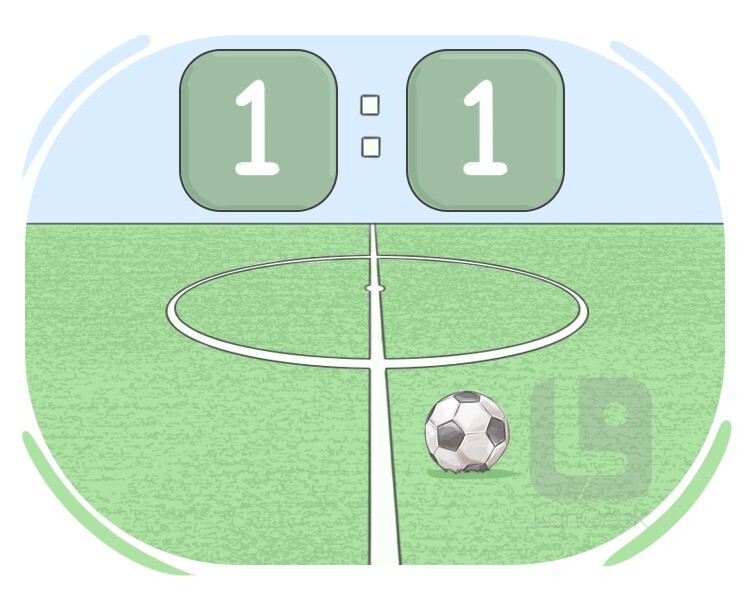
döntetlenre vĂ©gzĆdik, döntetlennel zĂĄrul
to finish a game without any winning sides
Dialect
British
Transitive: to draw a game
Példåk
The Monopoly game was drawn after several hours of intense trading and property management.
A Monopoly jĂĄtĂ©k döntetlenre vĂ©gzĆdött több ĂłrĂĄs intenzĂv kereskedĂ©s Ă©s ingatlan-kezelĂ©s utĂĄn.
23
vonz, felkelt
to guide or capture someone's focus or interest towards a particular thing
Transitive: to draw attention to sth
Példåk
The auctioneer skillfully used his voice to draw bidders' attention to each item on auction.
Az ĂĄrverezĆ ĂŒgyesen hasznĂĄlta a hangjĂĄt, hogy a licitĂĄlĂłk figyelmĂ©t az ĂĄrverezett tĂĄrgyakra irĂĄnyĂtsa.
24
hĂșz, feszĂt
to pull the string of a bow backward
Transitive: to draw a bow
Példåk
In the ancient art of archery, skilled marksmen were known for their ability to draw powerful bows.
Az ĂjĂĄszat Ćsi mƱvĂ©szetĂ©ben a kĂ©pzett ĂjĂĄszok arrĂłl voltak hĂresek, hogy kĂ©pesek voltak erĆs Ăjakat feszĂteni.
25
szĂŒksĂ©ge van egy bizonyos vĂzmĂ©lysĂ©gre, merĂŒlĂ©sƱ
(of a ship) to need a certain depth of water to ensure that it can float without touching the bottom
Transitive: to draw a depth of water
Példåk
The large cargo ship could only enter the harbor at high tide when it drew enough water to navigate safely.
A nagy teherhajĂł csak dagĂĄly idejĂ©n tudott bemenni a kikötĆbe, amikor elĂ©g vizet hĂșzott a biztonsĂĄgos navigĂĄlĂĄshoz.
Draw
01
döntetlen, patt
when neither player is able to win the game, typically because there are no more legal moves available or because both players agree to a draw
02
egy årok, amely sekélyebb
a gully that is shallower than a ravine
03
hĂșzĂĄs, vontatĂĄs
the act of drawing or hauling something
04
draw póker, póker lapcserével
poker in which a player can discard cards and receive substitutes from the dealer
05
egy draw, draw ĂŒtĂ©s
a golf shot that curves to the left for a right-handed golfer
06
sorshĂșzĂĄs, vĂ©letlenszerƱ vĂĄlasztĂĄs
anything (straws or pebbles etc.) taken or chosen at random
07
lĂĄtvĂĄnyossĂĄg, csillag
a performer or attraction that greatly appeals to audiences, resulting in the attraction of large crowds to an event or venue
Példåk
The famous rock band was the music festival 's major draw, attracting fans from far and wide.
A hĂres rockzenekar a zenei fesztivĂĄl fĆ vonzereje volt, amely messzi vidĂ©kekrĆl vonzott rajongĂłkat.
Lexikai Fa
drawer
drawing
overdraw
draw