Keresés
Válassza ki a szótár nyelvét

to draw
01
rajzol
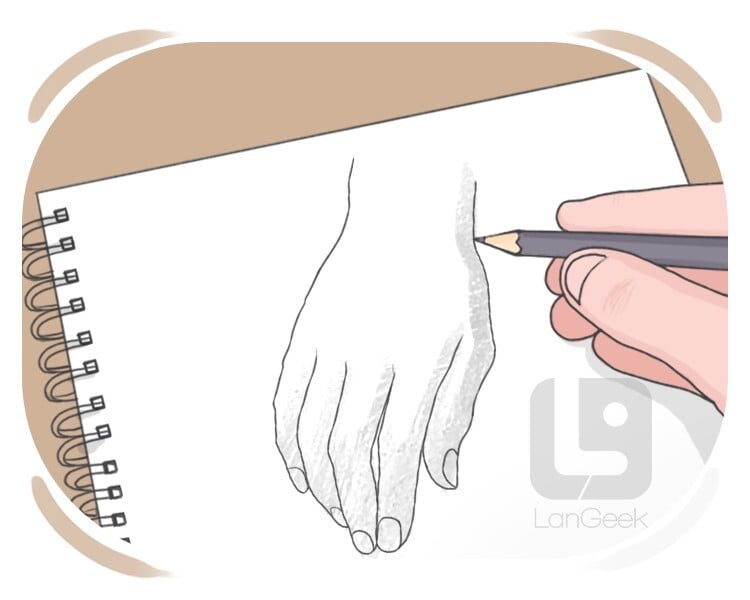
to make a picture of something using a pencil, pen, etc. without coloring it
Transitive: to draw a picture
Példák
He drew a cute cat on the paper for his little sister.
Rajzolt egy aranyos macskát a papírra a kishúgának.
My little brother is able to draw a perfect circle freehand.
Az öcsém képes tökéletes kört rajzolni szabad kézzel.
02
húz, vonz
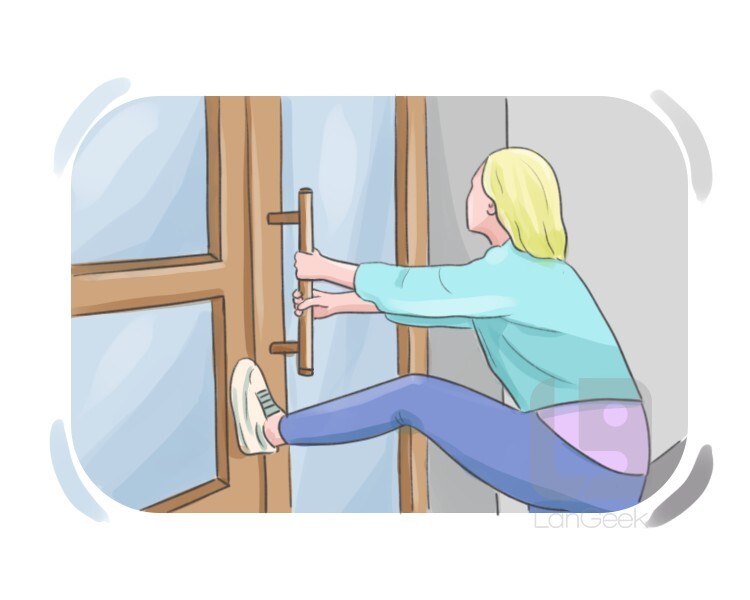
to cause something to move toward oneself or in a particular direction by pulling it
Transitive: to draw sth
Példák
He used a rope to draw the heavy box closer to him.
Egy kötelet használt, hogy húzza maga felé a nehéz dobozt.
The tractor was powerful enough to draw the plow through the tough soil.
A traktor elég erős volt ahhoz, hogy húzza az ekét a kemény talajon.
03
rajzol, leír
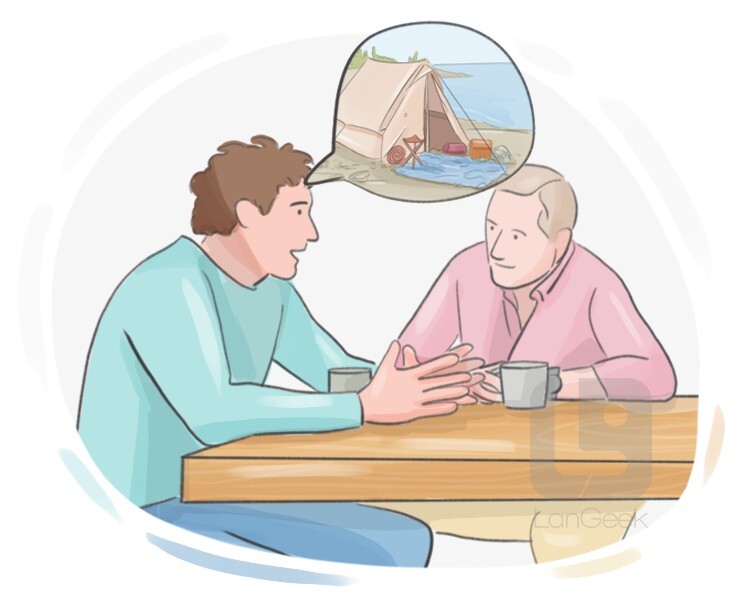
to provide a depiction, portrayal, or description of something using words or images
Transitive: to draw a description of something
Példák
The author skillfully drew the setting of the story, vividly describing the bustling cityscape.
A szerző ügyesen megrajzolta a történet helyszínét, élénken leírva a forgalmas városképet.
During the guided tour, the docent drew a detailed picture of the historical events that shaped the museum's artifacts.
A vezetett túra során a kalauz részletes képet rajzolt a múzeum tárgyait formáló történelmi eseményekről.
04
következtet, levon
to deduce or make a conclusion based on available information or reasoning
Transitive: to draw a conclusion
Példák
After analyzing the data, the researcher was able to draw meaningful conclusions about the experiment's outcomes.
Az adatok elemzése után a kutató képes volt értelmes következtetéseket levonni a kísérlet eredményeiről.
Detectives had to draw connections between the scattered clues to solve the mystery.
A nyomozóknak össze kellett kötniük a szétszórt nyomokat, hogy megoldják a rejtélyt.
05
rajzol, vonalat húz
to create a line or mark, often with a writing instrument, on a surface
Transitive: to draw a line or mark
Példák
With a chalk in hand, she drew a bold line to emphasize the key points on the blackboard.
Kréta a kezében, egy merész vonalat rajzolt, hogy kiemelje a táblán a kulcspontokat.
The artist carefully drew a straight line across the canvas as the starting point for the composition.
A művész gondosan megrajzolt egy egyenes vonalat a vásznon, mint a kompozíció kiindulópontját.
06
merít, nyer
to obtain or derive information, knowledge, or inspiration from a specified origin
Transitive: to draw knowledge or inspiration from a source
Példák
In his research paper, the scholar drew insights from ancient texts to support his argument.
Kutatási cikkében a tudós ősi szövegekből merített betekintést, hogy alátámassza érvelését.
The author drew inspiration from real-life stories to create the characters in the novel.
A szerző valódi élettörténetekből merített ihletet a regény szereplőinek megalkotásához.
07
kihúz, elővesz
to remove a weapon from its holder or sheath, typically in preparation for use
Transitive: to draw a weapon
Példák
In a swift motion, the knight drew his sword, ready to face the approaching enemy.
Egy gyors mozdulattal a lovag kihúzta kardját, készen állva a közeledő ellenséggel szemben.
The gunslinger had a reputation for being the fastest to draw his pistols in the Wild West.
A lövész hírneve szerint a leggyorsabb volt a pisztolyai előhúzásában a Vadnyugaton.
Példák
The marketing campaign aimed to draw customers from the local community to the newly opened store.
A marketingkampány célja az volt, hogy a helyi közösségből vonzza az ügyfeleket az újonnan megnyitott üzletbe.
The company initiated a recruitment drive to draw talented professionals from various universities and industries.
A cég egy toborzási kampányt indított, hogy tehetséges szakembereket vonzzon különböző egyetemekről és iparágakból.
09
húz, kivon
to extract or remove liquid from a receptacle
Transitive: to draw a liquid | to draw liquid from a source
Példák
The bartender skillfully drew a pint of beer from the tap for the customer.
A bárpultos ügyesen húzott egy korsó sört a csapból a vendégnek.
She reached for the pitcher to draw water and fill her glass.
Megfogta a kancsót, hogy merjen vizet és megtöltse a poharát.
9.1
venni, mintát venni
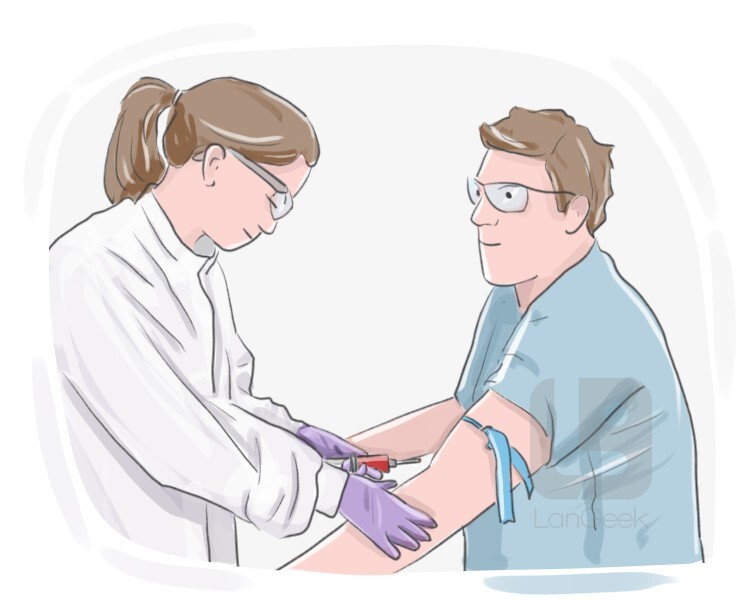
to remove a sample of bodily fluids, such as blood or urine, from a person's body for medical testing or diagnosis
Transitive: to draw bodily fluids
Példák
The nurse will need to draw a small amount of blood from your arm for the laboratory tests.
A nővérnek le kell vennie egy kis vért a karodból a laboratóriumi tesztekhez.
In certain neurological examinations, a lumbar puncture may be performed to draw cerebrospinal fluid.
Egyes neurológiai vizsgálatok során lumbális punkciót végezhetnek a cerebrospinális folyadék elvételére.
10
belélegez, beszív
to take air or a substance into the lungs by inhaling
Transitive: to draw air or a substance
Példák
He paused to draw a deep breath of fresh air before continuing his run.
Megállt, hogy mélyet lélegezzen a friss levegőből, mielőtt folytatta volna a futást.
As he stood by the ocean, he could n't resist the urge to draw in the salty sea breeze.
Ahogy az óceán mellett állt, nem tudott ellenállni a kísértésnek, hogy belélegezze a sós tengeri szellőt.
11
kivált, provokál
to elicit or provoke a particular reaction or response
Transitive: to draw a reaction
Példák
The comedian 's jokes never failed to draw laughter from the audience.
A komikus viccei soha nem maradtak el azért, hogy nevetést váltanak ki a közönségből.
The thrilling plot twists in the movie were designed to draw gasps from the viewers.
A film izgalmas cselekményfordulatait azért tervezték, hogy a nézőkből kiváltsák a sóhajtásokat.
12
közeledik, halad
to move in a continuous, measured, or consistent manner
Intransitive: to draw somewhere
Példák
Dark clouds began to gather in the sky, and the storm drew nearer with each passing minute.
Sötét felhők kezdtek összegyűlni az égen, és a vihar minden percben közelebb ért.
The ship slowly drew away from the harbor, setting sail for a distant destination.
A hajó lassan eltávolodott a kikötőtől, és távoli cél felé indult.
13
húz, kiválaszt
to select or pick something or someone by chance
Transitive: to draw sth
Példák
In the raffle, participants eagerly waited as the host prepared to draw the winning ticket from the box.
A sorsoláson a résztvevők türelmetlenül várták, hogy a házigazda előkészüljön a nyerőszelvény kihúzására a dobozból.
To determine the order of presentations, the teacher asked each student to draw a number from a hat.
A prezentációk sorrendjének meghatározásához a tanár megkérte minden diákot, hogy húzzon egy számot egy kalapból.
14
kivenni, kivonni
to withdraw funds from a financial institution or an account
Transitive: to draw money
Példák
Every month, he would draw a specific amount from his savings account to cover living expenses.
Minden hónapban kivett egy meghatározott összeget a megtakarítási számlájáról a megélhetési költségek fedezésére.
Customers can use ATMs to conveniently draw cash from their checking accounts.
Az ügyfelek használhatják az ATM-eket, hogy kényelmesen kivehessék a pénzt folyószámláikról.
15
vonz, csábít
to lead or attract someone toward a specific place, situation, or course of action, often by exerting an appealing force or influence
Transitive: to draw sb somewhere | to draw sb/sth
Példák
Last year, the captivating art exhibition drew a large crowd to the gallery.
Tavaly a lenyűgöző művészeti kiállítás nagy tömeget vonzott a galériába.
The enticing aroma of freshly baked cookies always draws the children into the kitchen.
A frissen sült sütemények csábító illata mindig vonzza a gyerekeket a konyhába.
16
húz, csúsztat
to pull, slide, or maneuver an object in a particular direction, typically to reveal or expose what is underneath
Transitive: to draw sth to a direction
Példák
To enjoy the view, simply draw the blinds to the side and open the window.
A kilátás élvezetéhez egyszerűen húzza félre a redőnyöket és nyissa ki az ablakot.
The magician theatrically drew the velvet cloth over the mysterious object.
A bűvész drámai mozdulattal húzta a bársonyszövetet a titokzatos tárgy fölé.
17
megfogalmaz, előkészít
to create or prepare a written document
Transitive: to draw a written document
Példák
The lawyer was asked to draw a detailed contract specifying the terms of the business partnership.
Az ügyvédet arra kérték, hogy készítsen egy részletes szerződést, amely meghatározza az üzleti partnerség feltételeit.
As part of the project management process, the team had to draw a comprehensive project proposal.
A projektmenedzsment folyamat részeként a csapatnak átfogó projektjavaslatot kellett megfogalmaznia.
18
vonz, kivon
to bring or gather fluids, such as blood or pus, to a specific area or point in the body
Transitive: to draw sth somewhere
Példák
Certain herbal remedies are believed to have properties that can draw toxins out of the body.
Úgy gondolják, hogy bizonyos növényi gyógymódok olyan tulajdonságokkal rendelkeznek, amelyek képesek kihúzni a méreganyagokat a testből.
The doctor recommended a special ointment to draw the infection away from the affected area.
Az orvos egy speciális kenőcsöt ajánlott a fertőzés elvonására az érintett területről.
19
húz, szorít
to exert force or influence that results in reducing the size, dimensions, or looseness of an object
Transitive: to draw a fabric or thread
Példák
When stitching the fabric, be sure to draw the thread snugly for a neat and durable seam.
A szövet varrásakor ügyeljen arra, hogy a fonalat szorosan húzza, hogy tiszta és tartós varrást kapjon.
The artist used a technique to draw the leather tightly over the frame.
A művész egy technikát használt a bőr megfeszítésére a kereten.
20
húz, nyújt
to alter the form or dimensions of an object by applying force to it, often involving pulling or stretching
Transitive: to draw sth
Példák
The tailor carefully drew the fabric to create a snug fit for the custom-made dress.
A szabó gondosan megfeszítette a szövetet, hogy tökéletesen illeszkedő legyen a ruha az egyedi méreteknek.
She used her hands to draw the clay into a long, thin strand for pottery.
A kezét használta, hogy a agyagot hosszú, vékony szálba húzza a kerámia számára.
21
zsigerel, belekészít
to disembowel or remove the internal organs
Transitive: to draw an animal
Példák
After catching the goose, the chef skillfully drew it to prepare it for roasting.
Miután elkapta a libát, a séf ügyesen kibelezte, hogy sütésre készítse elő.
Farmers are trained in the proper technique to draw poultry efficiently and hygienically.
A gazdákat a baromfi hatékony és higiénikus kibelezésének megfelelő technikájában képezik ki.
22
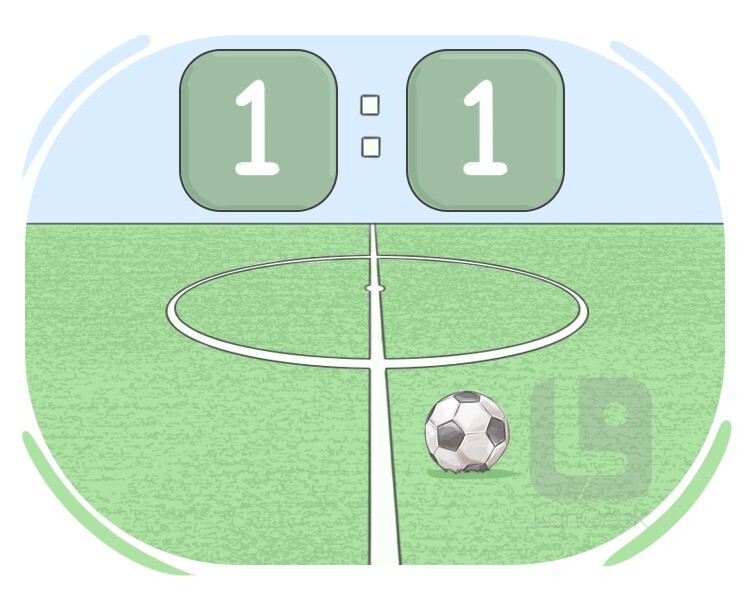
döntetlenre végződik, döntetlennel zárul

to finish a game without any winning sides
Dialect
British
Transitive: to draw a game
Példák
Neither team could secure a victory, and the game was drawn at the end of regulation time.
Egyik csapat sem tudta biztosítani a győzelmet, és a mérkőzés a rendes játékidő végén döntetlennel zárult.
The players chose to draw the round when no one could play a winning card.
A játékosok úgy döntöttek, hogy döntetlent játszanak a körben, amikor senki sem tudott nyerő lapot kijátszani.
23
vonz, felkelt
to guide or capture someone's focus or interest towards a particular thing
Transitive: to draw attention to sth
Példák
The artist used vibrant colors to draw attention to the central figure in the painting.
A művész élénk színeket használt, hogy felhívja a figyelmet a festmény központi alakjára.
During the presentation, the speaker used compelling visuals to draw the audience's attention to key points.
Az előadás során az előadó meggyőző vizuális eszközöket használt, hogy a közönség figyelmét a kulcspontokra irányítsa.
24
húz, feszít
to pull the string of a bow backward
Transitive: to draw a bow
Példák
The archer carefully drew the bowstring, aiming at the target with precision.
Az íjász gondosan meghúzta az íj húrját, pontosan célzva a célpontra.
In the ancient art of archery, skilled marksmen were known for their ability to draw powerful bows.
Az íjászat ősi művészetében a képzett íjászok arról voltak híresek, hogy képesek voltak erős íjakat feszíteni.
25
szüksége van egy bizonyos vízmélységre, merülésű
(of a ship) to need a certain depth of water to ensure that it can float without touching the bottom
Transitive: to draw a depth of water
Példák
During low tide, the boat struggled to leave the marina as it did n't draw sufficient water for the shallow conditions.
Apály idején a hajó nehezen hagyta el a kikötőt, mert nem merült elég mélyre a sekély viszonyokhoz.
The large cargo ship could only enter the harbor at high tide when it drew enough water to navigate safely.
A nagy teherhajó csak dagály idején tudott bemenni a kikötőbe, amikor elég vizet húzott a biztonságos navigáláshoz.
Draw
01
döntetlen, patt
when neither player is able to win the game, typically because there are no more legal moves available or because both players agree to a draw
02
egy árok, amely sekélyebb
a gully that is shallower than a ravine
03
húzás, vontatás
the act of drawing or hauling something
04
draw póker, póker lapcserével
poker in which a player can discard cards and receive substitutes from the dealer
05
egy draw, draw ütés
a golf shot that curves to the left for a right-handed golfer
06
sorshúzás, véletlenszerű választás
anything (straws or pebbles etc.) taken or chosen at random
07
látványosság, csillag
a performer or attraction that greatly appeals to audiences, resulting in the attraction of large crowds to an event or venue
Példák
The magician was the circus 's main draw, captivating crowds with mesmerizing illusions.
A bűvész a cirkusz fő attrakciója volt, a lenyűgöző illúziókkal elbűvölte a tömegeket.
The famous rock band was the music festival 's major draw, attracting fans from far and wide.
A híres rockzenekar a zenei fesztivál fő vonzereje volt, amely messzi vidékekről vonzott rajongókat.
Lexikai Fa
drawer
drawing
overdraw
draw