grave
grave
greÉĒv
greiv
/ÉĄreÉĒv/

āχāĻ‚āϰ⧇āϜāĻŋāϤ⧇ "grave"āĻāϰ āϏāĻ‚āĻœā§āĻžāĻž āĻ“ āĻ…āĻ°ā§āĻĨ

01

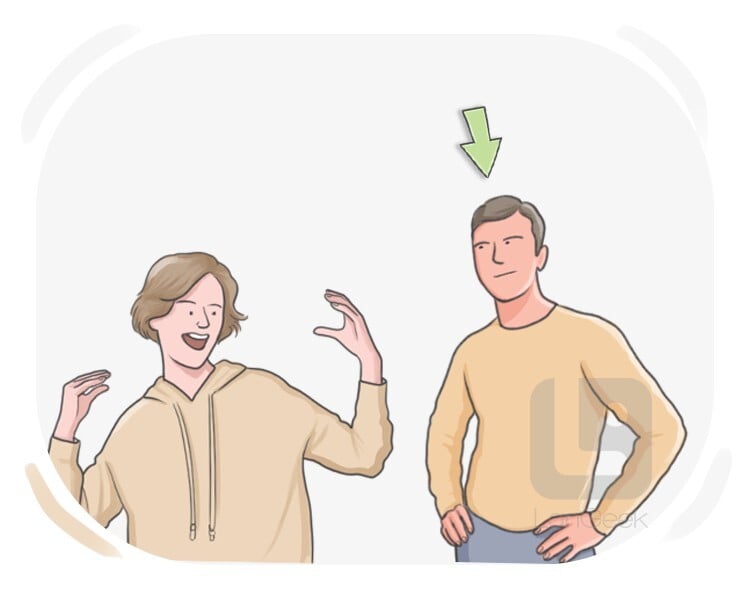
āĻ—āĻŽā§āĻ­ā§€āϰ, āϗ⧁āϰ⧁āϤāϰ

serious and solemn in manner or character
grave definition and meaning
Disapproving
āωāĻĻāĻžāĻšāϰāĻŖ
The detective delivered the news with a grave tone, indicating the severity of the crime.
āĻ—ā§‹āϝāĻŧ⧇āĻ¨ā§āĻĻāĻž āĻ–āĻŦāϰāϟāĻŋ āĻāĻ•āϟāĻŋ āĻ—āĻŽā§āĻ­ā§€āϰ āĻ¸ā§āĻŦāϰ⧇ āĻĻāĻŋāϝāĻŧ⧇āϛ⧇āύ, āϝāĻž āĻ…āĻĒāϰāĻžāϧ⧇āϰ āϤ⧀āĻŦā§āϰāϤāĻž āύāĻŋāĻ°ā§āĻĻ⧇āĻļ āĻ•āϰ⧇āĨ¤
02

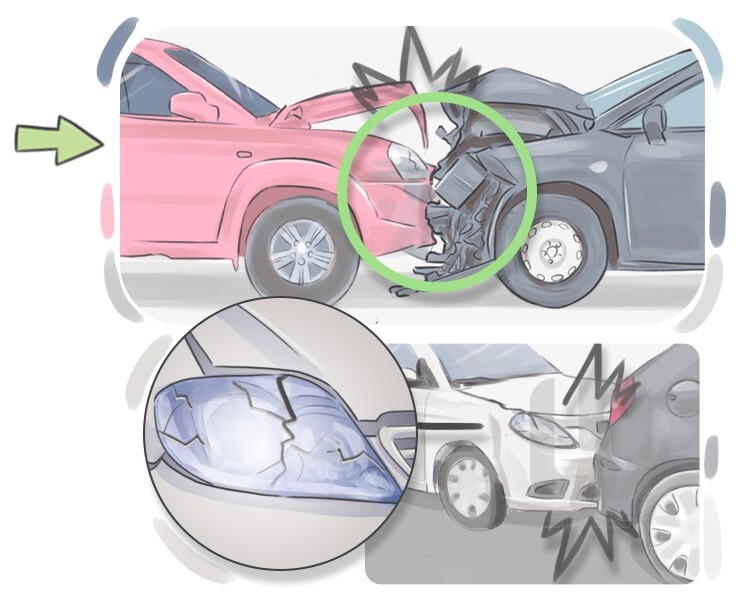
āϗ⧁āϰ⧁āϤāϰ, āϚāĻŋāĻ¨ā§āϤāĻžāϜāύāĻ•

very bad or worrisome
grave definition and meaning
Disapproving
Formal
āωāĻĻāĻžāĻšāϰāĻŖ
The economic forecast painted a grave picture of rising unemployment and inflation.
āĻ…āĻ°ā§āĻĨāύ⧈āϤāĻŋāĻ• āĻĒā§‚āĻ°ā§āĻŦāĻžāĻ­āĻžāϏ⧇ āĻŦ⧇āĻ•āĻžāϰāĻ¤ā§āĻŦ āĻ“ āĻŽā§āĻĻā§āϰāĻžāĻ¸ā§āĻĢā§€āϤāĻŋāϰ āĻŦ⧃āĻĻā§āϧāĻŋāϰ āĻāĻ•āϟāĻŋ āϗ⧁āϰ⧁āϤāϰ āϚāĻŋāĻ¤ā§āϰ āφāρāĻ•āĻž āĻšāϝāĻŧ⧇āϛ⧇āĨ¤
03

āϗ⧁āϰ⧁āϤāϰ, āĻ—āĻŽā§āĻ­ā§€āϰ

signifying a matter of deep concern
grave definition and meaning
Disapproving
Formal
āωāĻĻāĻžāĻšāϰāĻŖ
The investigative report uncovered grave violations of ethical standards within the corporation.
āϤāĻĻāĻ¨ā§āϤ āĻĒā§āϰāϤāĻŋāĻŦ⧇āĻĻāύ⧇ āĻ•āĻ°ā§āĻĒā§‹āϰ⧇āĻļāύ⧇āϰ āĻŽāĻ§ā§āϝ⧇ āύ⧈āϤāĻŋāĻ• āĻŽāĻžāύ⧇āϰ āϗ⧁āϰ⧁āϤāϰ āϞāĻ™ā§āϘāύ āωāĻ¨ā§āĻŽā§‹āϚāĻŋāϤ āĻšāϝāĻŧ⧇āϛ⧇āĨ¤
04

āĻ—āĻŽā§āĻ­ā§€āϰ, āĻ—āĻ­ā§€āϰ

having a low pitch, tone, or sound, often used in music or linguistics to describe deep or somber auditory qualities
āωāĻĻāĻžāĻšāϰāĻŖ
The monk 's chanting had a grave quality, creating a meditative atmosphere.
āϏāĻ¨ā§āĻ¨ā§āϝāĻžāϏ⧀āϰ āϜāĻĒ⧇āϰ āĻāĻ•āϟāĻŋ āĻ—āĻŽā§āĻ­ā§€āϰ āϗ⧁āĻŖ āĻ›āĻŋāϞ, āϝāĻž āĻ§ā§āϝāĻžāύāĻŽā§‚āϞāĻ• āĻĒāϰāĻŋāĻŦ⧇āĻļ āϤ⧈āϰāĻŋ āĻ•āϰ⧇āĻ›āĻŋāϞāĨ¤
01

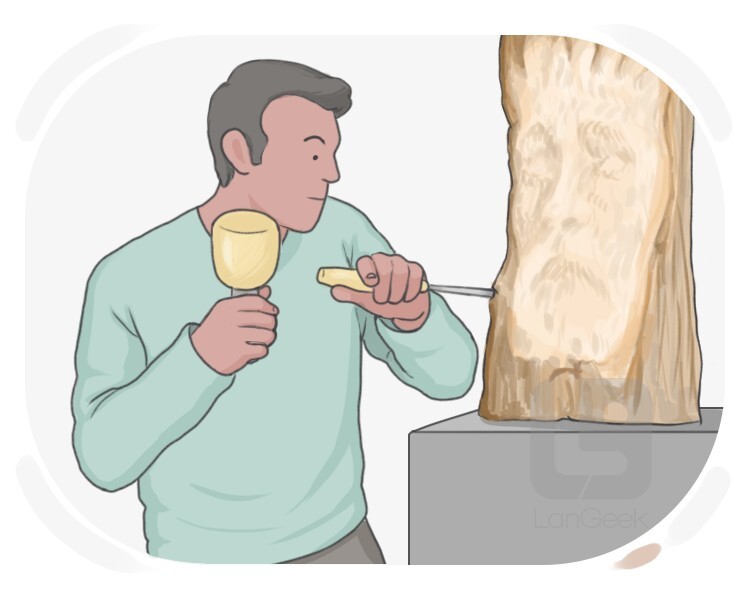
āĻ–ā§‹āĻĻāĻžāχ āĻ•āϰāĻž, āĻ•āĻžāϟāĻž

to carve out or shape something by cutting with a chisel or similar tool, often creating a sculpture or detailed figure
to grave definition and meaning
āωāĻĻāĻžāĻšāϰāĻŖ
He graved a delicate flower pattern into the wooden frame of the mirror.
āϤāĻŋāύāĻŋ āφāϝāĻŧāύāĻžāϰ āĻ•āĻžāϠ⧇āϰ āĻĢā§āϰ⧇āĻŽā§‡ āĻāĻ•āϟāĻŋ āύāĻžāϜ⧁āĻ• āĻĢ⧁āϞ⧇āϰ āύāĻ•āĻļāĻž āĻ–ā§‹āĻĻāĻžāχ āĻ•āϰ⧇āĻ›āĻŋāϞ⧇āύāĨ¤
02

āĻ–ā§‹āĻĻāĻžāχ āĻ•āϰāĻž, āĻ‰ā§Žāϕ⧀āĻ°ā§āĻŖ āĻ•āϰāĻž

to carve or etch letters, symbols, or designs into a hard surface
āωāĻĻāĻžāĻšāϰāĻŖ
She graved her initials into the bark of the tree as a lasting memory of her visit.
āϤāĻŋāύāĻŋ āϤāĻžāϰ āĻĒāϰāĻŋāĻĻāĻ°ā§āĻļāύ⧇āϰ āĻāĻ•āϟāĻŋ āĻ¸ā§āĻĨāĻžāϝāĻŧā§€ āĻ¸ā§āĻŽā§ƒāϤāĻŋ āĻšāĻŋāϏāĻžāĻŦ⧇ āĻ—āĻžāϛ⧇āϰ āĻŦāĻžāĻ•āϞ⧇ āϤāĻžāϰ āφāĻĻā§āϝāĻ•ā§āώāϰ āĻ–ā§‹āĻĻāĻžāχ āĻ•āϰ⧇āĻ›āĻŋāϞ⧇āύāĨ¤
03

āĻ–āύāύ āĻ•āϰāĻž, āĻ–ā§‹āρāĻĄāĻŧāĻž

to dig or excavate, often in the context of creating a burial site or preparing the ground
āωāĻĻāĻžāĻšāϰāĻŖ
In ancient times, people graved pits to store food and supplies.
āĻĒā§āϰāĻžāĻšā§€āύāĻ•āĻžāϞ⧇, āĻŽāĻžāύ⧁āώ āĻ–āĻžāĻĻā§āϝ āĻ“ āϏāϰāĻŦāϰāĻžāĻš āϏāĻ‚āϰāĻ•ā§āώāϪ⧇āϰ āϜāĻ¨ā§āϝ āĻ—āĻ°ā§āϤ āĻ–āύāύ āĻ•āϰāϤāĨ¤
04

āĻ–ā§‹āĻĻāĻžāχ āĻ•āϰāĻž, āĻŽāύ⧇ āϗ⧇āρāĻĨ⧇ āĻĻ⧇āĻ“āϝāĻŧāĻž

to firmly and permanently fix something in the mind or memory
āωāĻĻāĻžāĻšāϰāĻŖ
The image of the sunset over the mountains is graven in my memory forever.
āĻĒāĻžāĻšāĻžāĻĄāĻŧ⧇āϰ āωāĻĒāϰ āϏ⧂āĻ°ā§āϝāĻžāĻ¸ā§āϤ⧇āϰ āĻ›āĻŦāĻŋ āφāĻŽāĻžāϰ āĻ¸ā§āĻŽā§ƒāϤāĻŋāϤ⧇ āϚāĻŋāϰāĻ•āĻžāϞ⧇āϰ āϜāĻ¨ā§āϝ āĻ–ā§‹āĻĻāĻžāχ āĻšāϝāĻŧ⧇ āφāϛ⧇āĨ¤
05

āĻ–ā§‹āĻĻāĻžāχ āĻ•āϰāĻž, āϜāĻžāĻšāĻžāĻœā§‡āϰ āϤāϞāĻž āĻĒāϰāĻŋāĻˇā§āĻ•āĻžāϰ āĻ•āϰāĻž

to clean a ship's bottom by burning off accumulated growths and then applying tar or another protective coating
āωāĻĻāĻžāĻšāϰāĻŖ
After months at sea, the sailors graved the vessel to restore its speed and efficiency.
āϏāĻŽā§āĻĻā§āϰ⧇ āĻ•āϝāĻŧ⧇āĻ• āĻŽāĻžāϏ āĻ•āĻžāϟāĻžāύ⧋āϰ āĻĒāϰ, āύāĻžāĻŦāĻŋāĻ•āϰāĻž āϜāĻžāĻšāĻžāĻœā§‡āϰ āĻ—āϤāĻŋ āĻāĻŦāĻ‚ āĻĻāĻ•ā§āώāϤāĻž āĻĒ⧁āύāϰ⧁āĻĻā§āϧāĻžāϰ āĻ•āϰāϤ⧇ āĻāϰ āύāĻŋāĻšā§‡āϰ āĻ…āĻ‚āĻļ āĻĒāϰāĻŋāĻˇā§āĻ•āĻžāϰ āĻ•āϰ⧇āĻ›āĻŋāϞāĨ¤
01

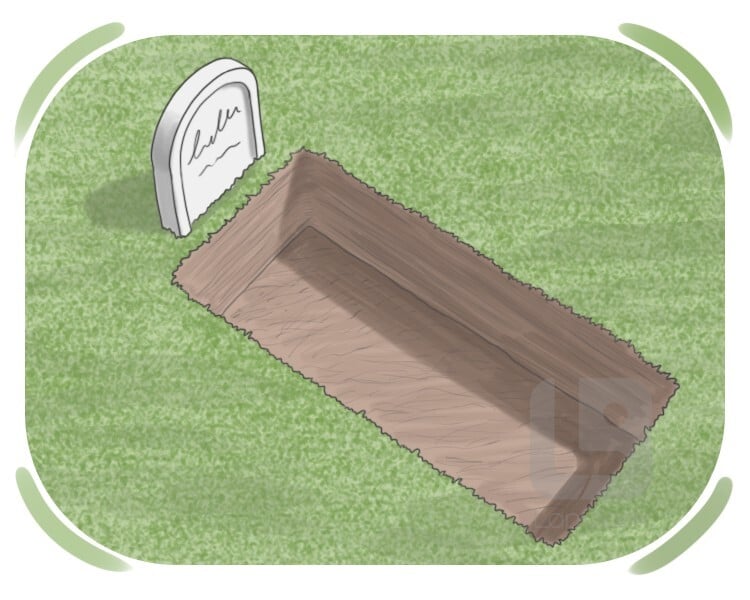
āϏāĻŽāĻžāϧāĻŋ, āĻ•āĻŦāϰ

a hole made in the ground for burying a dead body in
āωāĻĻāĻžāĻšāϰāĻŖ
She placed flowers on the grave as a tribute to her loved one.
āϤāĻŋāύāĻŋ āϤāĻžāϰ āĻĒā§āϰāĻŋāϝāĻŧāϜāύāϕ⧇ āĻļā§āϰāĻĻā§āϧāĻž āϜāĻžāύāĻžāϤ⧇ āĻ•āĻŦāϰ⧇ āĻĢ⧁āϞ āϰāĻžāĻ–āϞ⧇āύāĨ¤
02

āϏāĻŽāĻžāϧāĻŋ, āĻŽā§ƒāĻ¤ā§āϝ⧁

the state or concept of death, often used in a poetic or solemn context
āωāĻĻāĻžāĻšāϰāĻŖ
The poet wrote about the inevitability of the grave, reflecting on the fleeting nature of life.
āĻ•āĻŦāĻŋ āĻ•āĻŦāϰ āĻāϰ āĻ…āύāĻŋāĻŦāĻžāĻ°ā§āϝāϤāĻž āϏāĻŽā§āĻĒāĻ°ā§āϕ⧇ āϞāĻŋāϖ⧇āϛ⧇āύ, āĻœā§€āĻŦāύ⧇āϰ āĻ•ā§āώāĻŖāĻ¸ā§āĻĨāĻžāϝāĻŧā§€ āĻĒā§āϰāĻ•ā§ƒāϤāĻŋ āύāĻŋāϝāĻŧ⧇ āϚāĻŋāĻ¨ā§āϤāĻž āĻ•āϰ⧇āĨ¤
03

āĻ—ā§āϰ⧇āĻ­, āĻ—ā§āϰ⧇āĻ­ āĻ¸ā§āĻŦāϰāϚāĻŋāĻšā§āύ

the diacritic mark ` placed above a vowel in some languages indicating an altered pronunciation in case of quality, quantity or pitch
āωāĻĻāĻžāĻšāϰāĻŖ
The grave in Italian distinguishes words like ' è' ( is ) from ' e' ( and ).
āχāϤāĻžāϞ⧀āϝāĻŧ āĻ­āĻžāώāĻžāϝāĻŧ āĻ—ā§āϰ⧇āĻ­ āĻļāĻŦā§āĻĻāϗ⧁āϞāĻŋāϕ⧇ āϝ⧇āĻŽāύ 'è' (āĻšāϝāĻŧ) āĻāĻŦāĻ‚ 'e' (āĻāĻŦāĻ‚) āĻĨ⧇āϕ⧇ āφāϞāĻžāĻĻāĻž āĻ•āϰ⧇āĨ¤
01

āϧ⧀āϰ⧇ āĻāĻŦāĻ‚ āĻ—āĻŽā§āĻ­ā§€āϰāĻ­āĻžāĻŦ⧇, āϗ⧁āϰ⧁āϤāϰ

in a slow and solemn manner, especially in music
āωāĻĻāĻžāĻšāϰāĻŖ
The pianist performed the piece grave, highlighting its emotional depth.
āĻĒāĻŋāϝāĻŧāĻžāύ⧋āĻŦāĻžāĻĻāĻ•āϟāĻŋ āϟ⧁āĻ•āϰ⧋āϟāĻŋ grave āĻ­āĻžāĻŦ⧇ āĻĒāϰāĻŋāĻŦ⧇āĻļāύ āĻ•āϰ⧇āĻ›āĻŋāϞ⧇āύ, āĻāϰ āĻŽāĻžāύāϏāĻŋāĻ• āĻ—āĻ­ā§€āϰāϤāĻž āϤ⧁āϞ⧇ āϧāϰ⧇āĻ›āĻŋāϞ⧇āύāĨ¤

āĻļāĻŦā§āĻĻāϤāĻžāĻ¤ā§āĻ¤ā§āĻŦāĻŋāĻ• āĻ—āĻžāĻ›

gravely
graveness
grave
App
āύāĻŋāĻ•āϟāĻŦāĻ°ā§āϤ⧀ āĻļāĻŦā§āĻĻ
LanGeek
āĻ…ā§āϝāĻžāĻĒ āĻĄāĻžāωāύāϞ⧋āĻĄ āĻ•āϰ⧁āύ