






























Grave
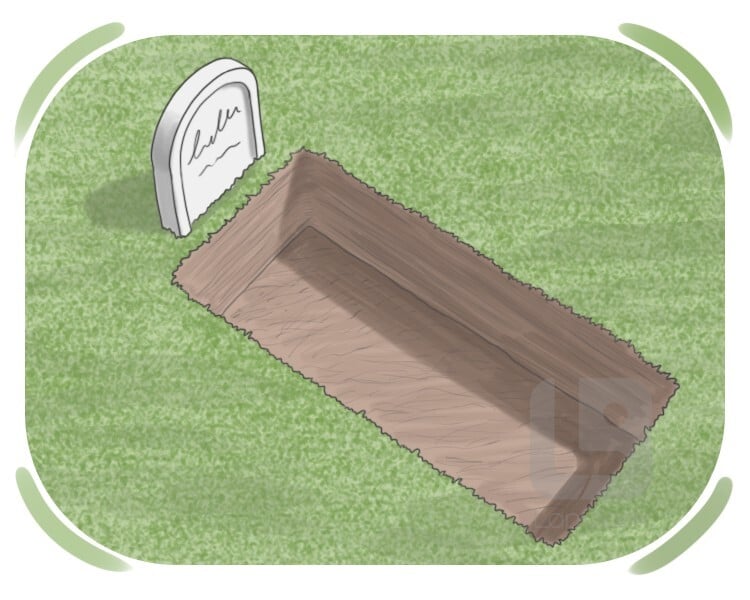
문법 정보
유생성 상태
무생물
형태적 구성
단순어
가산
singular
not gender specific
복수형
graves
예시들
The family visited the grave to pay their respects on the anniversary of his passing.
가족은 그가 세상을 떠난 기일에 추모하기 위해 무덤을 방문했습니다.
예시들
The soldier faced the grave with courage, knowing the risks of battle.
군인은 전투의 위험을 알면서도 용기 있게 무덤을 마주했다.
03
그라브, 억음 부호
the diacritic mark ` placed above a vowel in some languages indicating an altered pronunciation in case of quality, quantity or pitch
예시들
In French, the word 'près' uses a grave over the letter 'e' to indicate its pronunciation.
프랑스어에서 'près'라는 단어는 발음을 나타내기 위해 'e' 글자 위에 grave를 사용합니다.
grave
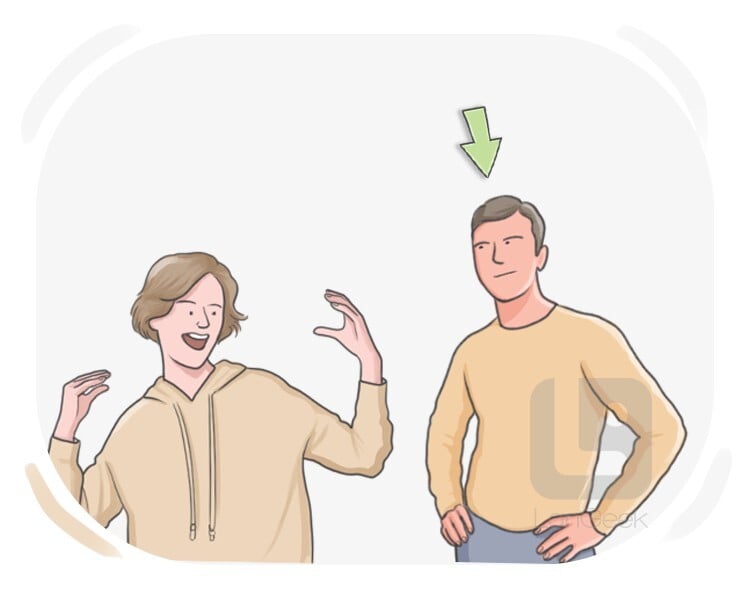
못마땅한
문법 정보
형태적 구성
단순어
성질형
최상급
gravest
비교급
graver
등급화 가능
분야
mood, behavior, expression
예시들
Her grave expression conveyed the seriousness of the situation, leaving everyone in the room silent.
그녀의 엄숙한 표정은 상황의 심각성을 전달했고, 방 안의 모든 사람들을 침묵하게 만들었다.
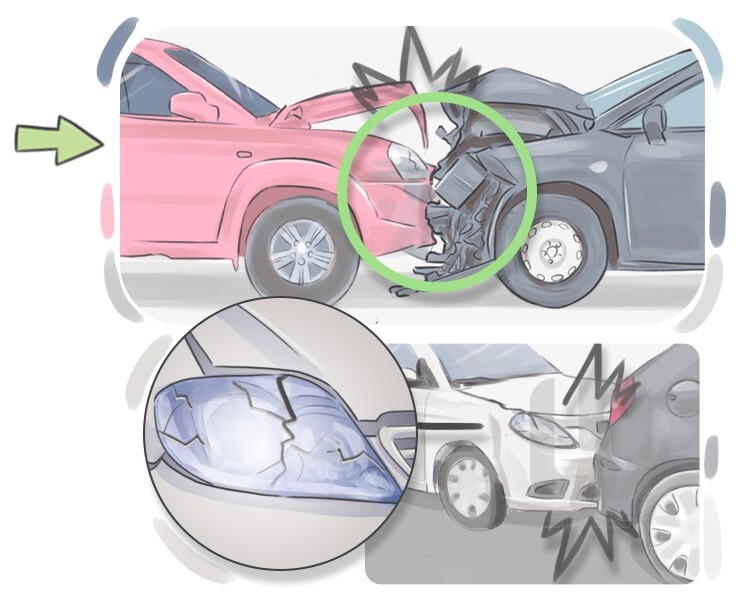
못마땅한
격식체
예시들
The doctor delivered the grave news that the patient's condition had deteriorated overnight.
의사는 환자의 상태가 하룻밤 사이에 악화되었다는 심각한 소식을 전했다.

못마땅한
격식체
예시들
The government issued a grave warning about the impending natural disaster, urging residents to evacuate.
정부는 다가오는 자연 재해에 대해 심각한 경고를 발표하며 주민들에게 대피를 촉구했습니다.
04
낮은, 깊은
having a low pitch, tone, or sound, often used in music or linguistics to describe deep or somber auditory qualities
예시들
The cello produced a grave tone that filled the concert hall with a sense of solemnity.
첼로는 음악회장을 엄숙함으로 가득 채운 낮은 음색을 냈다.
to grave
01
조각하다, 새기다
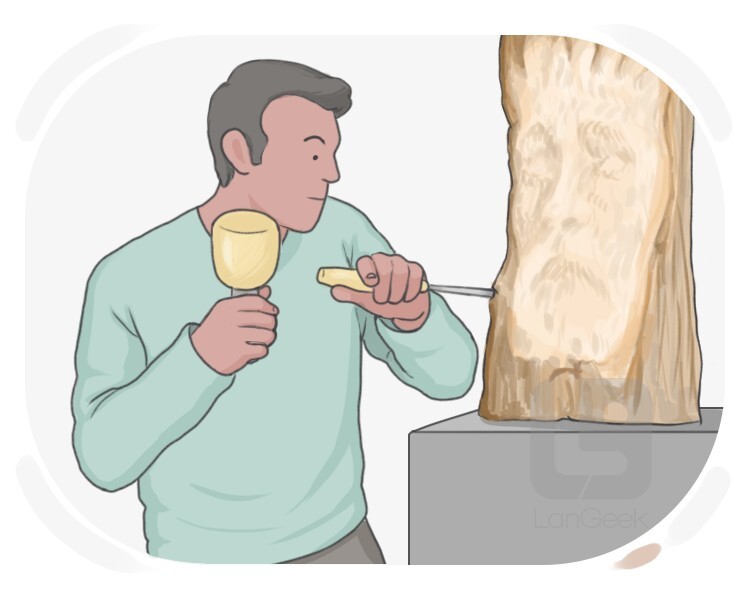
to carve out or shape something by cutting with a chisel or similar tool, often creating a sculpture or detailed figure
예시들
The artist graved an image of a lion into the marble block, bringing it to life.
예술가는 대리석 블록에 사자의 이미지를 새겨 생명을 불어넣었습니다.
문법 정보
형태적 구성
단순어
동작 동사
규칙
현재 시제
grave
3인칭 단수
graves
현재분사
graving
단순 과거
graved
과거분사
graven
예시들
The craftsman graved the family crest into the surface of the ancient shield.
장인이 고대 방패 표면에 가문의 문장을새겼다.
03
파다, 굴착하다
to dig or excavate, often in the context of creating a burial site or preparing the ground
예시들
The workers graved a deep trench for the foundation of the new building.
노동자들은 새 건물의 기초를 위해 깊은 도랑을 팠다.
예시들
The image of the sunset over the mountains is graven in my memory forever.
산 위로 지는 해의 이미지는 내 기억 속에 영원히 새겨져 있습니다.
05
새기다, 선체를 청소하다
to clean a ship's bottom by burning off accumulated growths and then applying tar or another protective coating
예시들
The crew graved the ship's hull to remove the barnacles and prepare it for the long voyage.
선원들은 배의 선체를 긁어내어 따개비를 제거하고 긴 항해를 준비했습니다.
grave
01
느리고 엄숙하게, 중후하게
in a slow and solemn manner, especially in music
문법 정보
예시들
The orchestra played the movement grave, creating a somber mood.
오케스트라는 grave 악장을 연주하여 음울한 분위기를 조성했습니다.


