Keresés
Válassza ki a szótár nyelvét

grave
Példák
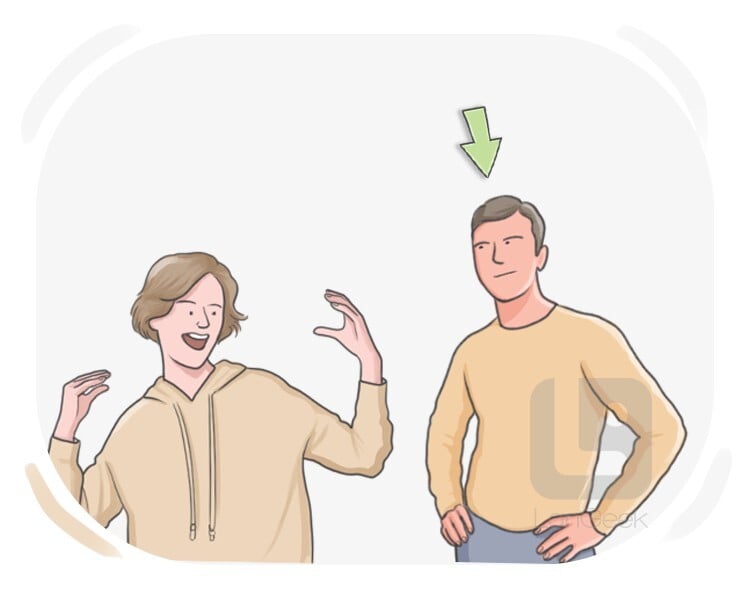
Her grave expression conveyed the seriousness of the situation, leaving everyone in the room silent.
Komoly arckifejezése közvetítette a helyzet súlyosságát, csendben hagyva mindenkit a szobában.
The detective delivered the news with a grave tone, indicating the severity of the crime.
A nyomozó komoly hangnembel adta át a hírt, jelezve a bűntény súlyosságát.
Példák
The doctor delivered the grave news that the patient's condition had deteriorated overnight.
Az orvos súlyos hírt közölt, hogy a beteg állapota éjszaka romlott.
The economic forecast painted a grave picture of rising unemployment and inflation.
A gazdasági előrejelzés súlyos képet festett a munkanélküliség és az infláció növekedéséről.
Példák
The government issued a grave warning about the impending natural disaster, urging residents to evacuate.
A kormány súlyos figyelmeztetést adott ki a közelgő természeti katasztrófáról, és arra szólította fel a lakosokat, hogy évakuáljanak.
The investigative report uncovered grave violations of ethical standards within the corporation.
A nyomozói jelentés súlyos erkölcsi normák megszegését tárta fel a vállalaton belül.
04
mély, komoly
having a low pitch, tone, or sound, often used in music or linguistics to describe deep or somber auditory qualities
Példák
The cello produced a grave tone that filled the concert hall with a sense of solemnity.
A cselló mély hangot adott ki, ami ünnepélyes hangulattal töltötte meg a koncerttermet.
The monk 's chanting had a grave quality, creating a meditative atmosphere.
A szerzetes éneklésének mély minősége volt, meditatív hangulatot teremtve.
to grave
01
farag, vés
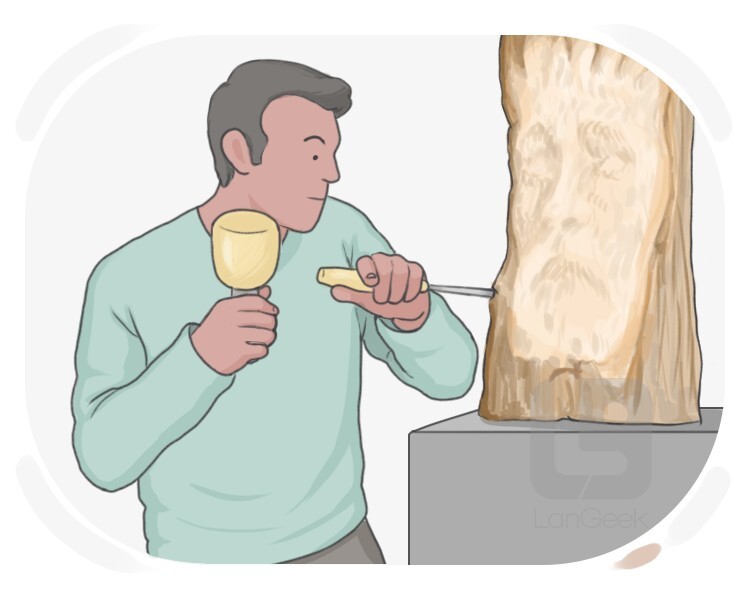
to carve out or shape something by cutting with a chisel or similar tool, often creating a sculpture or detailed figure
Példák
The artist graved an image of a lion into the marble block, bringing it to life.
A művész vésni kezdett egy oroszlán képét a márványblokkba, életre keltve azt.
He graved a delicate flower pattern into the wooden frame of the mirror.
Egy finom virágmintát vésett a tükör fa keretébe.
Példák
The craftsman graved the family crest into the surface of the ancient shield.
A kézműves bevésre a családi címert az ősi pajzs felületére.
She graved her initials into the bark of the tree as a lasting memory of her visit.
Belevéste a monogramját a fa kérgébe, mint tartós emléket látogatásáról.
03
ásni, kiásni
to dig or excavate, often in the context of creating a burial site or preparing the ground
Példák
The workers graved a deep trench for the foundation of the new building.
A munkások mély árokot ástak az új épület alapozásához.
In ancient times, people graved pits to store food and supplies.
A régi időkben az emberek gödröket ástak élelem és készletek tárolására.
Példák
The image of the sunset over the mountains is graven in my memory forever.
A hegyek feletti naplemente képe örökre bevésett az emlékezetembe.
Her words of encouragement were graven in his heart, giving him strength during tough times.
A bátorító szavai bevésték a szívébe, erőt adva neki a nehéz időkben.
05
vés, tisztítja a hajótestet
to clean a ship's bottom by burning off accumulated growths and then applying tar or another protective coating
Példák
The crew graved the ship's hull to remove the barnacles and prepare it for the long voyage.
A legénység lekaparta a hajótestet, hogy eltávolítsa a kagylókat és felkészítse a hosszú útra.
After months at sea, the sailors graved the vessel to restore its speed and efficiency.
Több hónapnyi tengeri utazás után a matrózok megtisztították a hajó fenekét, hogy visszaállítsák a sebességét és hatékonyságát.
Grave
Példák
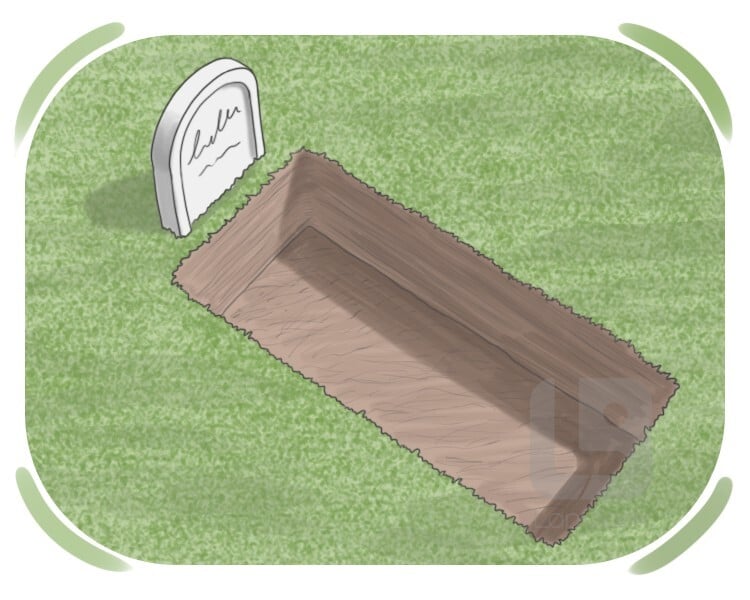
The family visited the grave to pay their respects on the anniversary of his passing.
A család meglátogatta a sírt, hogy tiszteletüket tegyék a halálának évfordulóján.
She placed flowers on the grave as a tribute to her loved one.
Virágot tett a sírra szeretett emlékének tiszteletére.
Példák
The soldier faced the grave with courage, knowing the risks of battle.
A katona bátran nézett a sír elé, tudva a csata kockázatait.
The poet wrote about the inevitability of the grave, reflecting on the fleeting nature of life.
A költő a sír elkerülhetetlenségéről írt, elmélkedve az élet mulandó természetéről.
03
gravis, nehéz hangsúly
the diacritic mark ` placed above a vowel in some languages indicating an altered pronunciation in case of quality, quantity or pitch
Példák
In French, the word ' près ' uses a grave over the letter ' e' to indicate its pronunciation.
A francia nyelvben a 'près' szó egy grave-ot használ az 'e' betű felett a kiejtés jelölésére.
The grave in Italian distinguishes words like ' è' ( is ) from ' e' ( and ).
A gravis az olaszban megkülönbözteti az olyan szavakat, mint az 'è' (van) és az 'e' (és).
grave
01
lassan és ünnepélyesen, komoly
in a slow and solemn manner, especially in music
Példák
The orchestra played the movement grave, creating a somber mood.
A zenekar a grave mozdulatot játszotta, melankolikus hangulatot teremtve.
The pianist performed the piece grave, highlighting its emotional depth.
A zongorista grave játékkal adta elő a darabot, hangsúlyozva annak érzelmi mélységét.
Lexikai Fa
gravely
graveness
grave