
























dull
dull
dʌl
dal
British pronunciation
/dʌl/

Definicja i znaczenie słowa „dull” po angielsku

01

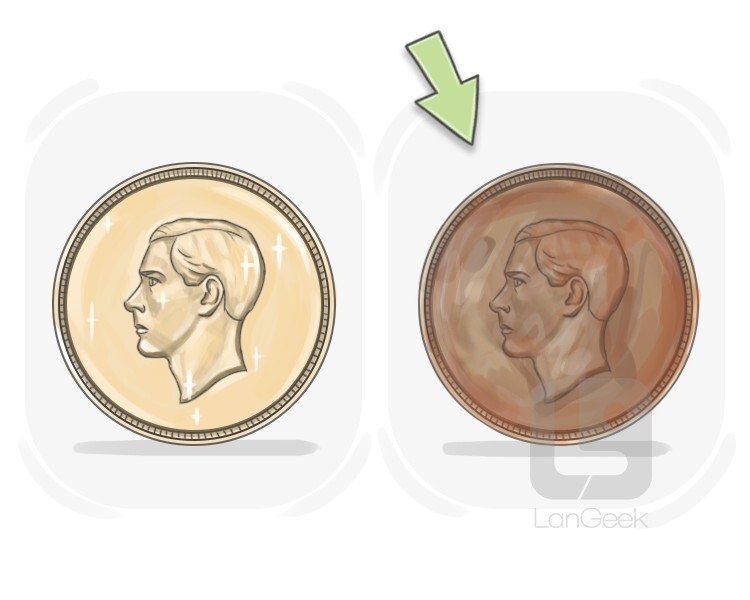
matowy, przygaszony

not reflecting or emitting much light
dull definition and meaning
example
Przykłady
She felt tired under the dull light of the fluorescent bulbs.
Czuła się zmęczona w przygaszonym świetle świetlówek.
02

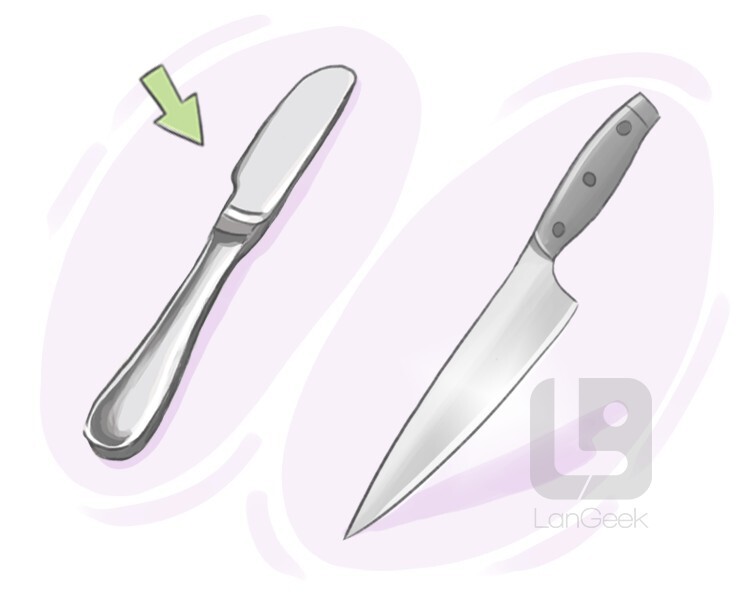
tępy, nieostry

(of an object or surface) lacking a sharp or pointed edge, making it unsuitable for cutting, piercing, etc.
dull definition and meaning
example
Przykłady
He tossed aside the dull scissors that could n't cut the paper.
Odrzucił na bok tępe nożyczki, które nie mogły przeciąć papieru.
03

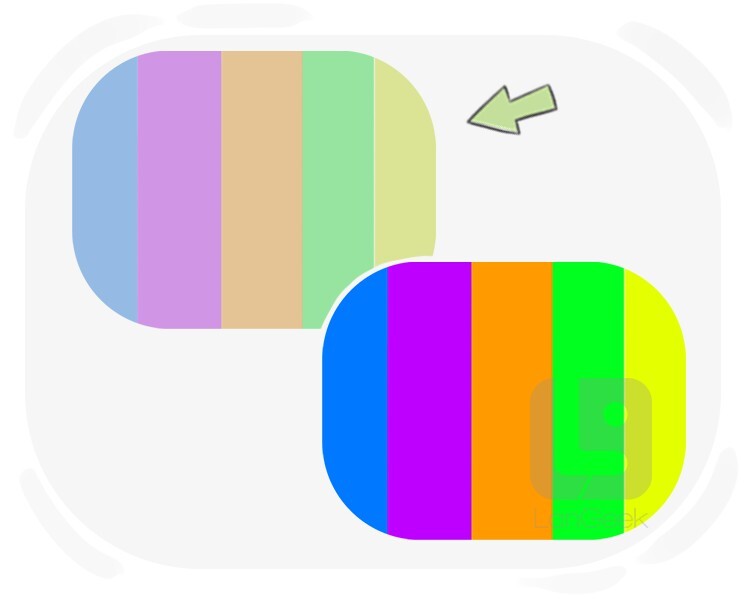
przytłumiony, matowy

(of colors) not very bright or vibrant
dull definition and meaning
example
Przykłady
The landscape was dominated by dull green foliage, with few splashes of color.
Krajobraz zdominowany był przez matową zieloną roślinność, z kilkoma plamami koloru.
04

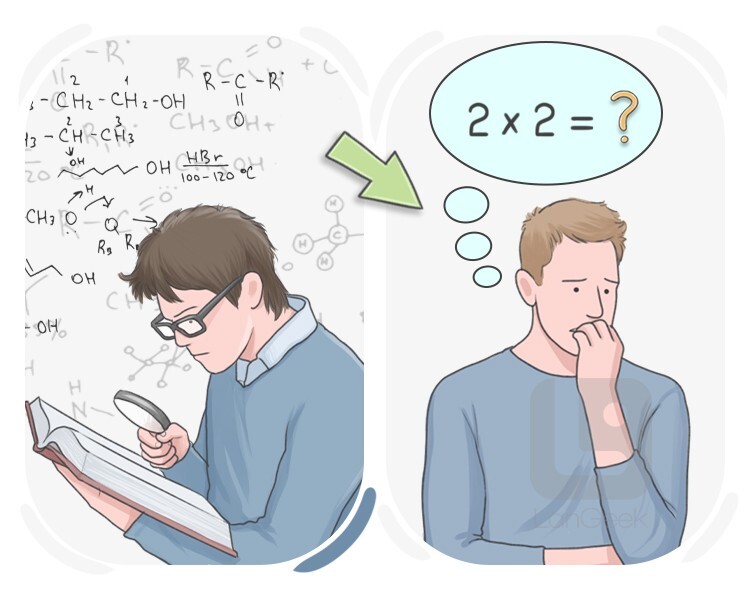
tępy, wolny

lacking sharpness in intellect
dull definition and meaning
example
Przykłady
The dull boy often took longer to finish his assignments compared to others.
Tępy chłopiec często potrzebował więcej czasu na wykonanie zadań w porównaniu do innych.
05

pochmurny, szary

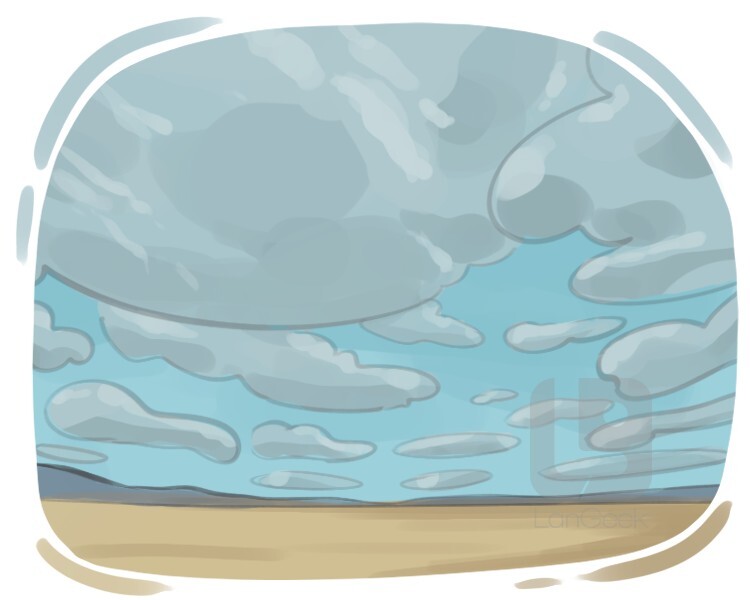
(of weather or sky) overcast, cloudy, or lacking brightness
dull definition and meaning
example
Przykłady
Despite the dull weather, they decided to go for a hike and enjoy the misty atmosphere.
Pomimo ponurej pogody, zdecydowali się na wycieczkę i cieszyli się mglistą atmosferą.
06

nudny, monotonny
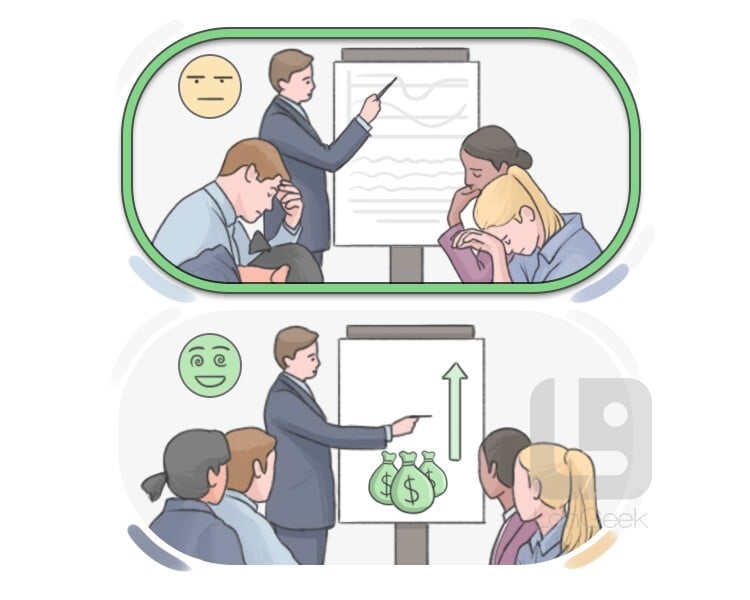
boring or lacking interest, excitement, or liveliness
example
Przykłady
The dull response from the audience indicated that they were not interested in the topic.
Nudna reakcja publiczności wskazywała, że nie są zainteresowani tematem.
6.1

znudzony, niezainteresowany

(of a person) feeling bored or uninterested
example
Przykłady
She became dull, flipping through channels without finding anything engaging.
Stała się znudzona, przeskakując kanały bez znalezienia niczego interesującego.
07

tępy, lekki

(of pain) not sharp or intense
example
Przykłady
The doctor described the dull pain as typical for muscle strain.
Lekarz opisał tępy ból jako typowy dla naciągnięcia mięśnia.
08

powolny, nieaktywny

(of business) slow in action or lacking activity
example
Przykłady
A dull market can result in stagnant prices and less competition.
Martwy rynek może skutkować stagnacją cen i mniejszą konkurencją.
09

tępy, niewyraźny

lacking sharpness in perception
example
Przykłady
With a cold, her dull sense of smell could n't detect the scent of the flowers.
Przeziębiona, jej przytępiony węch nie mógł wyczuć zapachu kwiatów.
10

stłumiony, przytłumiony

(of a sound) having a muted or indistinct quality
example
Przykłady
The old radio emitted a dull crackling sound, struggling to pick up a clear signal.
Stare radio emitowało stłumiony trzaskający dźwięk, starając się złapać wyraźny sygnał.
to dull
01

matowieć, tracic blask

to lose brightness or sheen, becoming less vibrant or lustrous over time
Intransitive
example
Przykłady
The glossy magazine covers dulled after being handled frequently.
Błyszczące okładki magazynów zmatowiały po częstym dotykaniu.
02

przygasać, tracić blask

to become less captivating over time
example
Przykłady
The once-popular trend has dulled in the face of new styles.
Kiedyś popularny trend wyblakł w obliczu nowych stylów.
03

tłumić, osłabiać

to muffle a sound or noise, reducing its intensity or clarity
Transitive
example
Przykłady
She used earplugs to dull the noise of the concert.
Użyła zatyczek do uszu, aby stłumić hałas koncertu.
04

tępić, osłabiać

to make a feeling or sensation less intense or painful
example
Przykłady
Time dulled the sharp pain in her heart after the breakup.
Czas stępił ostry ból w jej sercu po rozstaniu.
05

tępić, czynić mniej ostrym

to make a knife or blade less sharp
Transitive
example
Przykłady
The repeated impacts dulled the axe, making it harder to chop wood.
Powtarzające się uderzenia stępiły siekierę, utrudniając rąbanie drewna.
06

tępić się, tracić ostrość

(of a knife or blade) to become less sharp
Intransitive
example
Przykłady
Knives tend to dull when used on hard surfaces frequently.
Noże mają tendencję do tępienia się, gdy są często używane na twardych powierzchniach.
LanGeek
Pobierz Aplikację
langeek application

Download Mobile App

stars

app store