

Szukaj





























to dismiss
01
ignorować, odrzucać
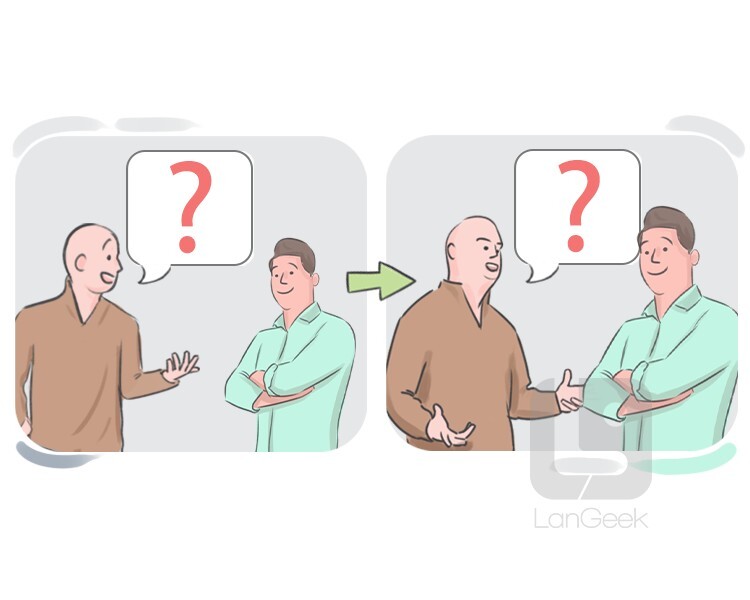
to disregard something as unimportant or unworthy of consideration
Transitive: to dismiss sth
informacje gramatyczne
budowa morfologiczna
pochodny
czasownik czynnościowy
regularny
czas teraźniejszy
dismiss
3. osoba liczby pojedynczej
dismisses
imiesłów czynny
dismissing
czas przeszły prosty
dismissed
imiesłów bierny
dismissed
Przykłady
She regularly dismisses suggestions that deviate from the established plan.
Ona regularnie odrzuca sugestie, które odbiegają od ustalonego planu.
02
zwolnić, zdymisjonować
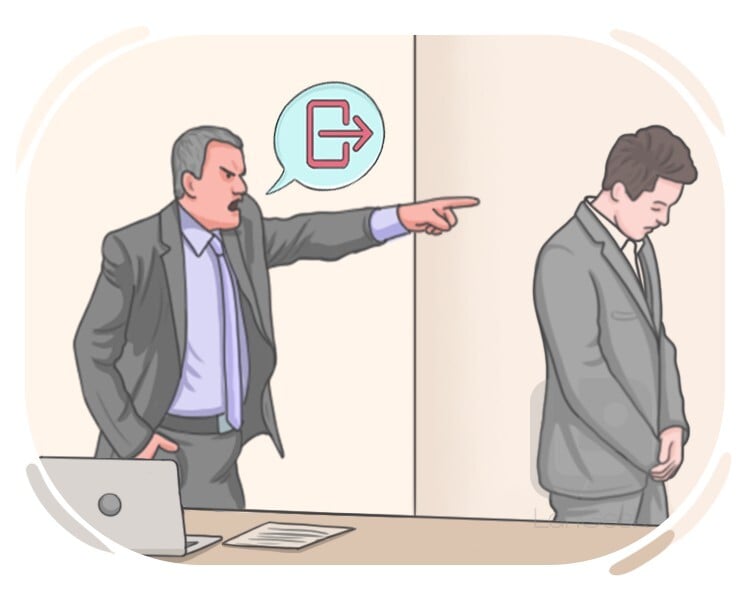
to remove someone from their job or position, typically due to poor performance
Transitive: to dismiss sb
Przykłady
The company decided to dismiss several employees due to budget constraints.
Firma postanowiła zwolnić kilku pracowników z powodu ograniczeń budżetowych.
03
odrzucić, umorzyć sprawę
to refuse to further hear or consider a case, typically due to a lack of legal merit
Transitive: to dismiss a case
Przykłady
The judge decided to dismiss the lawsuit because the plaintiff failed to provide sufficient evidence.
Sędzia zdecydował się oddalić pozew, ponieważ powód nie przedstawił wystarczających dowodów.
04
odrzucać, odtrącać
to remove or expel an idea, thought, concern, etc. from one's mind
Transitive: to dismiss an idea or thought
Przykłady
Despite his initial worries, he managed to dismiss the doubts from his mind.
Pomimo początkowych obaw, udało mu się oddalić wątpliwości ze swojego umysłu.
05
zwolnić, odesłać
to order or permit someone or something to leave
Transitive: to dismiss sb
Przykłady
The teacher dismissed the students early from class as a reward for their hard work.
Nauczyciel zwolnił uczniów wcześniej z lekcji jako nagrodę za ich ciężką pracę.
LanGeek
Pobierz naszą aplikację mobilną

Drzewo Leksykalne
dismissible
dismissive
dismiss
miss

