

অনুসন্ধান করুন
অভিধানের ভাষা নির্বাচন করুন





























to dismiss
01
উপেক্ষা করা, খারিজ করা
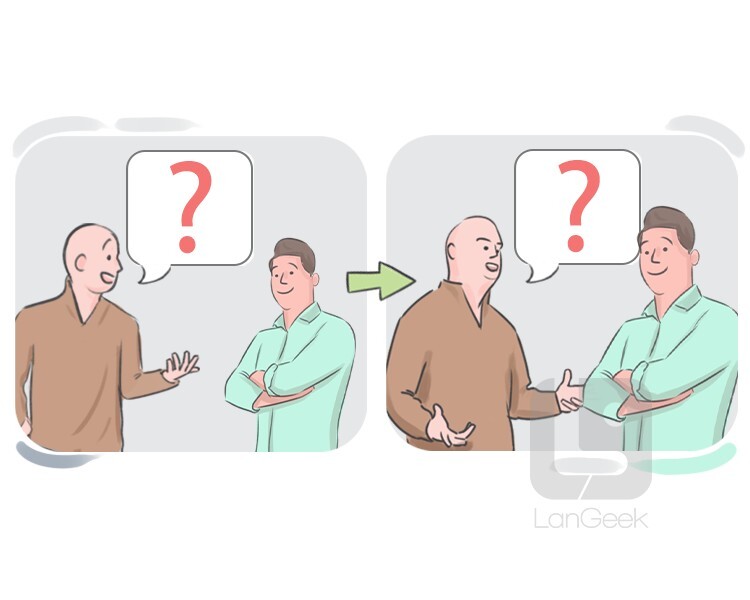
to disregard something as unimportant or unworthy of consideration
Transitive: to dismiss sth
ব্যাকরণগত তথ্য
রূপগত গঠন
উৎপন্ন
কর্মসূচক ক্রিয়া
নিয়মিত
বর্তমান কাল
dismiss
৩য় পুরুষ একবচন
dismisses
বর্তমান কৃদন্ত
dismissing
সরল অতীত
dismissed
অতীত কৃদন্ত
dismissed
উদাহরণ
She regularly dismisses suggestions that deviate from the established plan.
তিনি নিয়মিতভাবে সেই পরামর্শগুলিকে খারিজ করেন যা প্রতিষ্ঠিত পরিকল্পনা থেকে বিচ্যুত হয়।
02
বরখাস্ত করা, চাকরি থেকে সরানো
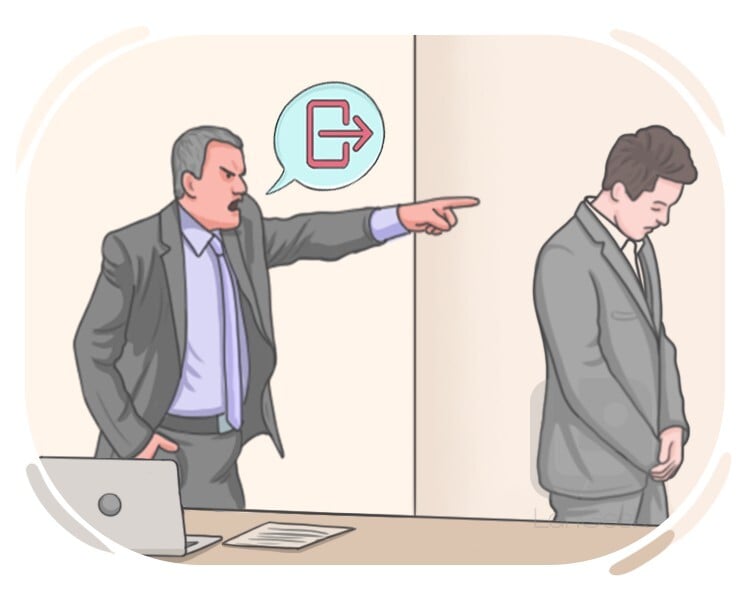
to remove someone from their job or position, typically due to poor performance
Transitive: to dismiss sb
উদাহরণ
The company decided to dismiss several employees due to budget constraints.
বাজেটের সীমাবদ্ধতার কারণে কোম্পানিটি বেশ কয়েকজন কর্মচারীকে বরখাস্ত করার সিদ্ধান্ত নিয়েছে।
03
খারিজ করা, মামলা খারিজ করা
to refuse to further hear or consider a case, typically due to a lack of legal merit
Transitive: to dismiss a case
উদাহরণ
The judge decided to dismiss the lawsuit because the plaintiff failed to provide sufficient evidence.
বিচারক মামলা খারিজ করার সিদ্ধান্ত নিয়েছেন কারণ বাদী পর্যাপ্ত প্রমাণ দিতে ব্যর্থ হয়েছে।
04
খারিজ করা, প্রত্যাখ্যান করা
to remove or expel an idea, thought, concern, etc. from one's mind
Transitive: to dismiss an idea or thought
উদাহরণ
Despite his initial worries, he managed to dismiss the doubts from his mind.
তার প্রাথমিক উদ্বেগ সত্ত্বেও, তিনি তার মন থেকে সন্দেহ দূর করতে সক্ষম হন।
05
বরখাস্ত করা, ছুটি দেওয়া
to order or permit someone or something to leave
Transitive: to dismiss sb
উদাহরণ
The teacher dismissed the students early from class as a reward for their hard work.
শিক্ষক তাদের কঠোর পরিশ্রমের পুরস্কার হিসাবে ছাত্রদের ক্লাস থেকে আগে বরখাস্ত করেছেন।
LanGeek
আমাদের মোবাইল অ্যাপ ডাউনলোড করুন

শব্দতাত্ত্বিক গাছ
dismissible
dismissive
dismiss
miss

