






























loose
01
자유로운, 풀려난
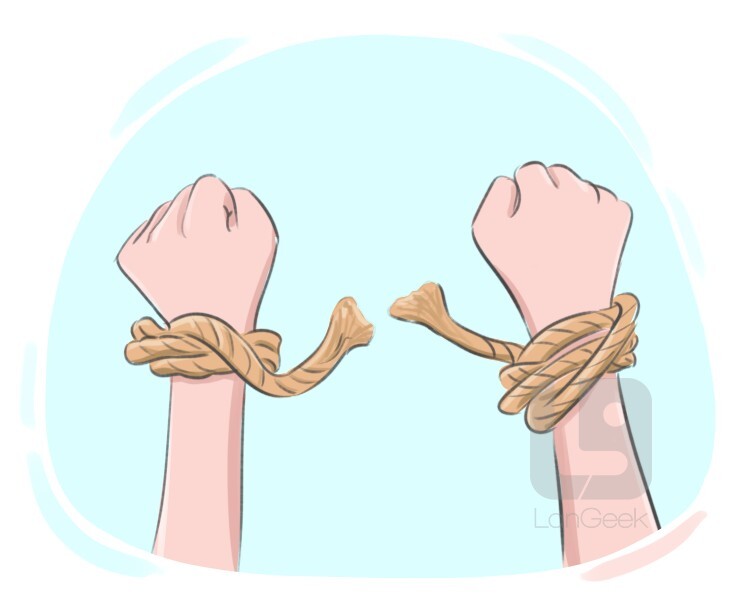
not confined or under someone or something's control
문법 정보
형태적 구성
단순어
성질형
최상급
loosest
비교급
looser
등급화 가능
분야
state, control, freedom
예시들
The dog was loose in the yard, happily running around.
개는 마당에서 자유롭게 즐겁게 뛰어다녔다.
02
헐렁한, 느슨한
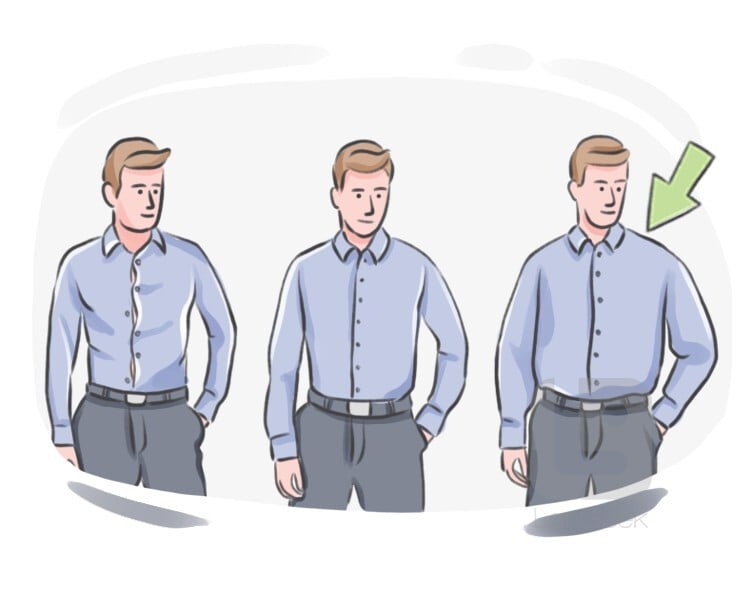
(of clothes) not tight or fitting closely, often allowing freedom of movement
예시들
After losing weight, his pants became loose and he needed a smaller size.
체중을 감량한 후, 그의 바지는 헐렁해져서 더 작은 사이즈가 필요했습니다.
예시들
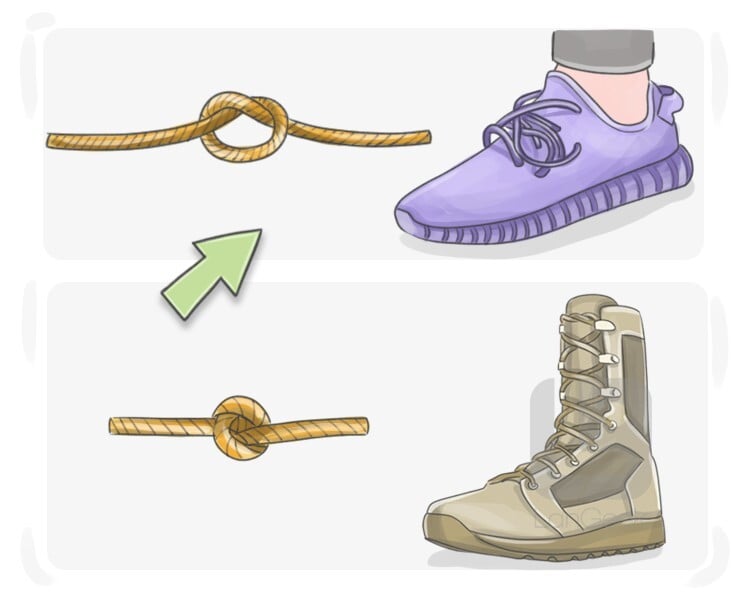
The loose shoelace caused him to trip and fall on the sidewalk.
느슨한 신발끈이 그를 넘어지게 하고 인도에 떨어지게 했다.
04
헐거운, 빠듯하지 않은
not compact or dense in structure or arrangement
05
자유로운, 통제되지 않는
(of a ball in sport) not in the possession or control of any player
06
대략적인, 자유로운
having a flexible approach that focuses on conveying the general meaning or essence of the original text
예시들
The loose translation helped simplify complex concepts for the general audience.
느슨한 번역은 일반 관객을 위해 복잡한 개념을 단순화하는 데 도움이 되었습니다.
예시들
Spicy food gave him loose bowels for the rest of the day.
매운 음식은 그에게 하루 종일 묽은 변을 만들었다.
08
비공식적인, 공식적이지 않은
not officially recognized or controlled
09
헐렁한, 느슨한
(of textures) full of small openings or gaps
10
방종하는, 무책임한
lacking a sense of restraint or responsibility
11
방종한, 자유분방한
casual and unrestrained in sexual behavior
12
헐렁한, 부주의하게 포장된
not carefully arranged in a package
13
도망친, 자유로운
having escaped, especially from confinement
to loose
01
풀어주다, 해방시키다
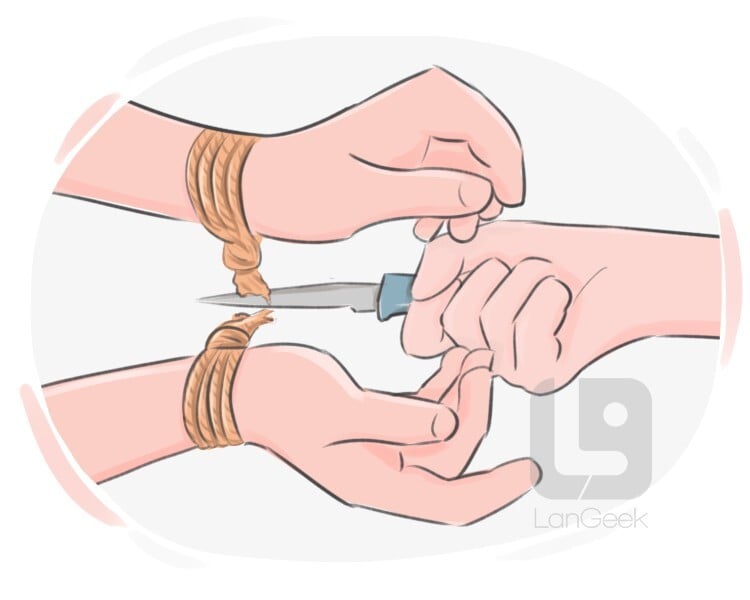
to release from confinement
Transitive: to loose a person or animal
예시들
The caretaker decided to loose the bird from its cage to allow it to fly.
관리자는 새가 날 수 있도록 새장에서 풀어주기로 결정했습니다.
02
쏘다, 발사하다
to release or fire something, such as a weapon or projectile
Transitive: to loose a projectile
문법 정보
형태적 구성
단순어
동작 동사
규칙
현재 시제
loose
3인칭 단수
looses
현재분사
loosing
단순 과거
loosed
과거분사
loosed
예시들
The archer loosed the arrow, hitting the target dead center.
궁수가 화살을 쏘아 과녁의 정중앙을 맞혔다.
03
풀다, 놓다
to reduce the tightness of something
Transitive: to loose a grip or restraint
예시들
He loosed his grip on the steering wheel as he began to relax.
그는 긴장을 풀기 시작하면서 운전대에서 손을 늦추었다.
04
풀다, 늦추다
to undo or release something that is tied or secured
Transitive: to loose a string or knot
예시들
She loosed the knot on the rope with a quick pull.
그녀는 빠른 당김으로 로프의 매듭을 풀었다.
loose
01
자유롭게, 제한 없이
without restraint
문법 정보
LanGeek
모바일 앱 다운로드

어휘 나무
loosely
looseness
loose

