leave
leave
li:v
liv
British pronunciation
/liːv/

A(z) „leave” jelentése és meghatározása angolul

to leave
01

elmegy, elhagy
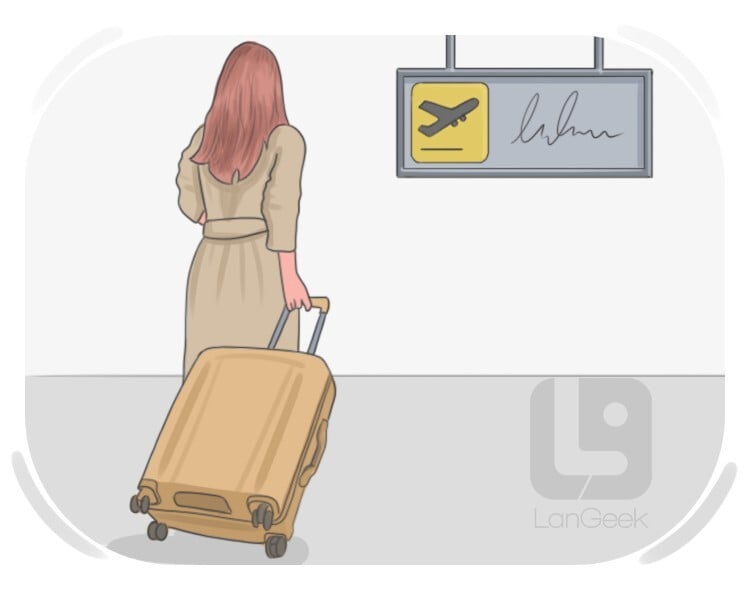
to go away from somewhere
Intransitive: to leave | to leave for a destination
Transitive: to leave sb/sth
to leave definition and meaning
example
Példák
She left her friends at the party without any goodbye.
Elhagyta a barátait a bulin búcsú nélkül.
She decided to leave the party because it was too crowded.
Úgy döntött, hogy elhagyja a bulit, mert túl zsúfolt volt.
1.1

elmegy, otthagy

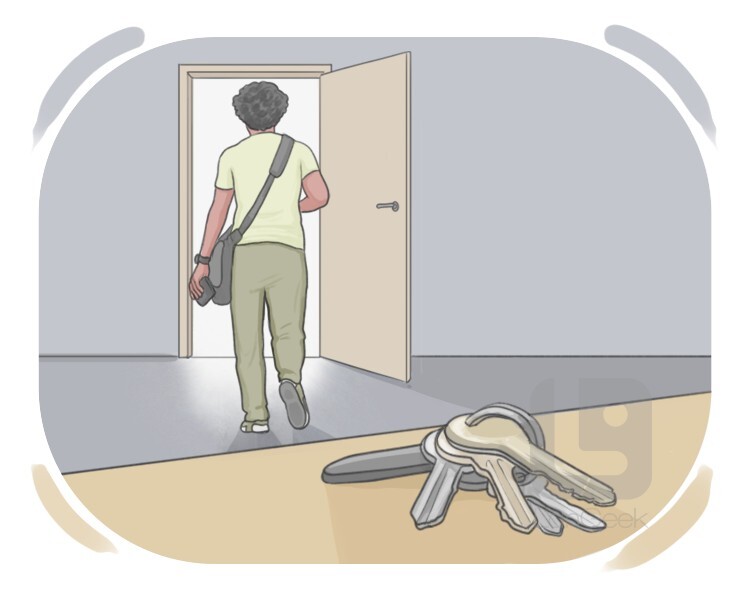
to go away from a place without taking someone or something with one either intentionally or unintentionally
Transitive: to leave sth somewhere
to leave definition and meaning
example
Példák
Be careful not to leave your umbrella behind when you get off the bus.
Legyen óvatos, hogy ne hagyja maga mögött az esernyőjét, amikor leszáll a buszról.
I accidentally left my keys at home when I rushed out this morning.
Véletlenül otthon hagytam a kulcsaimat, amikor sietve kimentem ma reggel.
1.2

elmegy, otthagy

to stop living, working, or being a part of a particular place or group
Transitive: to leave a place or position
to leave definition and meaning
example
Példák
After graduating high school, she left home to attend college.
Középiskola elvégzése után elhagyta az otthont, hogy főiskolára menjen.
He decided to leave his job and pursue a new career.
Úgy döntött, hogy otthagyja a munkáját, és új karriert kezd.
1.3

elhagy, otthagy

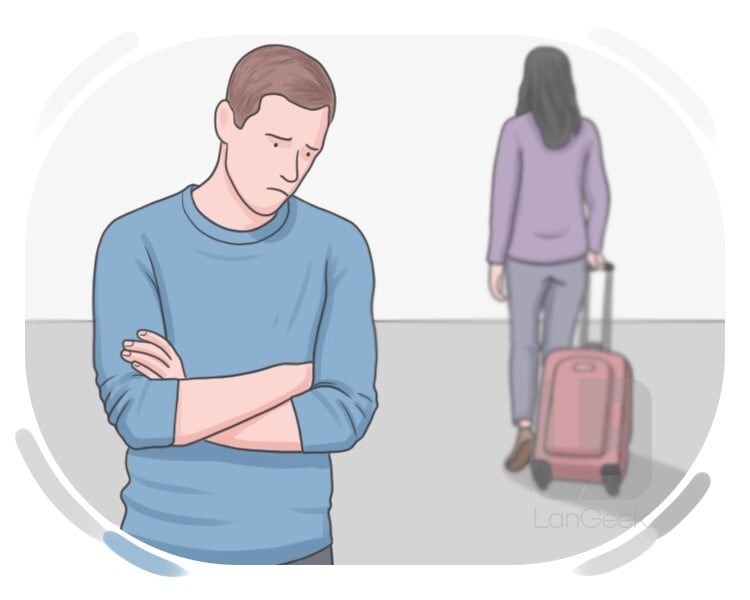
to abandon one's wife, husband, or partner with no plan of returning
Transitive: to leave one's partner
to leave definition and meaning
example
Példák
After years of unhappiness, she decided to leave her husband.
Évekig tartó boldogtalanság után úgy döntött, hogy elhagyja a férjét.
He left his wife and children without warning.
Figyelmeztetés nélkül elhagyta feleségét és gyermekeit.
02

hagy, elhagy

to allow someone or something to remain in a particular place, state, or condition without changing or disturbing it
Complex Transitive: to leave sb/sth [adj]
example
Példák
Do n't leave your dog alone in the car on a hot day.
Ne hagyja a kutyáját egyedül a kocsiban forró napon.
Leave the dough to rise for an hour before baking it.
Hagyja kelni a tésztát egy óráig sütés előtt.
2.1

hagy, elhagy

to have a surviving family member who continue to live after one's death
Transitive: to leave a surviving family member
example
Példák
Sarah left a loving family who will cherish her memory.
Sarah szerető családot hagyott hátra, akik megőrzik emlékét.
The deceased leaves a devoted partner and a newborn baby.
Az elhunyt hátrahagy egy odaadó partnert és egy újszülöttet.
2.2

hagy, örökül hagy

to give someone something, particularly money and wealth, after one's death
Ditransitive: to leave sb an inheritance | to leave an inheritance to sb
example
Példák
In his will, he left a substantial amount of money to his favorite charity.
Végrendeletében jelentős pénzösszeget hagyott kedvenc jótékonysági szervezetének.
Jane 's will ensured that she left her estate to her surviving relatives.
Jane végrendelete biztosította, hogy vagyonát a túlélő rokonaira hagyta.
2.3

hagy, hagy valamit

to make something be seen, heard, or noticed by delivering, writing or recording something
Transitive: to leave a message on sth
example
Példák
A multitude of fans left comments on the artist's social media post.
Rengeteg rajongó hagyott megjegyzést a művész közösségi média posztjánál.
I left a voicemail for you on your phone.
Hagytam neked egy hangüzenetet a telefonodban.
2.4

hagy, rábíz

to let someone deal with something in one's place
Ditransitive: to leave a task to sb
example
Példák
Can I leave it to you to handle the customer complaint?
Rád bízhatom az ügyfél panaszának kezelését?
I 'll leave the task to you while I attend the meeting.
Rád hagyom a feladatot, amíg én a megbeszélésen veszek részt.
2.5

hagy, eredményként hagy valamit

to cause something to remain as a result
Transitive: to leave sth on sb/sth
example
Példák
His words left a lasting impact on me.
Szavai tartós hatást hagytak rajtam.
She left a lipstick stain on the coffee mug.
Hagyott egy rúzsfoltot a kávéscsészén.
2.6

hagy, marad

(in mathematics) to have a certain amount remaining
Transitive: to leave a number
example
Példák
Eight minus three leaves five.
Nyolcból három marad öt.
Four from eight leaves four.
Nyolcból négy marad négy.
2.7

hagyni, elhagyni

to refrain from doing or dealing with something
Transitive: to leave a task or issue
example
Példák
Leave the laundry, I'll take care of it tomorrow.
Hagyd a ruhát, holnap én intézem.
Let 's leave the issue for now and discuss it later.
Hagyjuk most a problémát, és később beszéljük meg.
Leave
01

permission or authorization to do something

example
Példák
The soldier acted without leave from his commanding officer.
She requested leave to appeal the decision.
02

a period of authorized absence from work, duty, or service

example
Példák
She is on maternity leave until next month.
He took annual leave to visit his family.
LanGeek
Alkalmazás Letöltése
langeek application

Download Mobile App

stars

app store