






























to leave
01
去る, 離れる
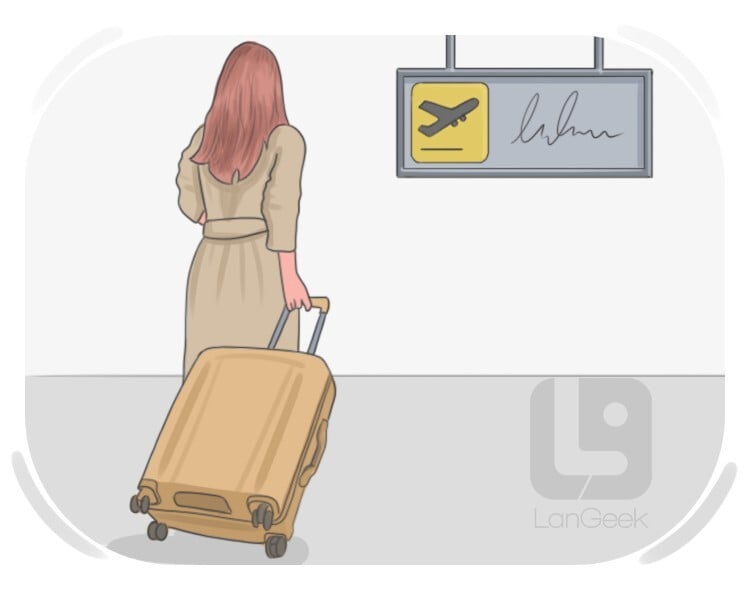
to go away from somewhere
Intransitive: to leave | to leave for a destination
Transitive: to leave sb/sth
文法情報
形態的構成
単純語
移動動詞
不規則
現在時制
leave
三人称単数
leaves
現在分詞
leaving
単純過去
left
過去分詞
left
例
She left her friends at the party without any goodbye.
彼女は別れの言葉もなくパーティーで友達を去った。
1.1
去る, 残す
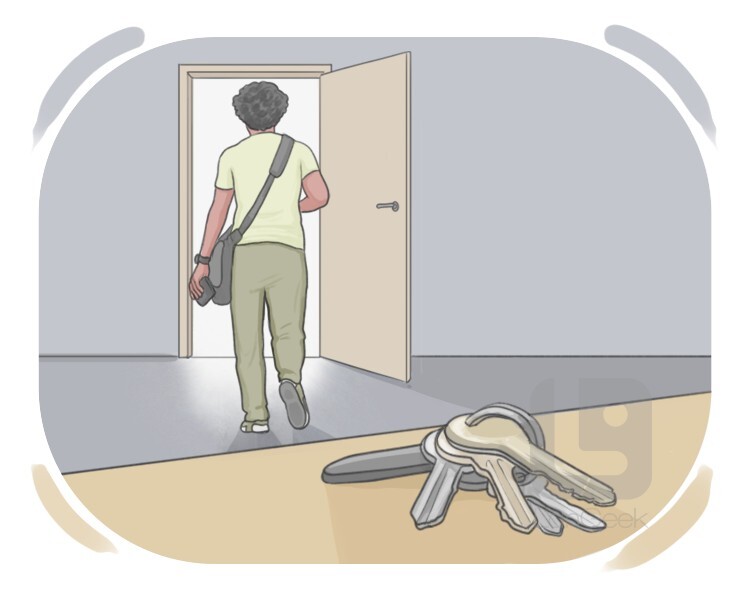
to go away from a place without taking someone or something with one either intentionally or unintentionally
Transitive: to leave sth somewhere
例
Be careful not to leave your umbrella behind when you get off the bus.
バスを降りるときに傘を置き忘れないように注意してください。
1.2
去る, 離れる
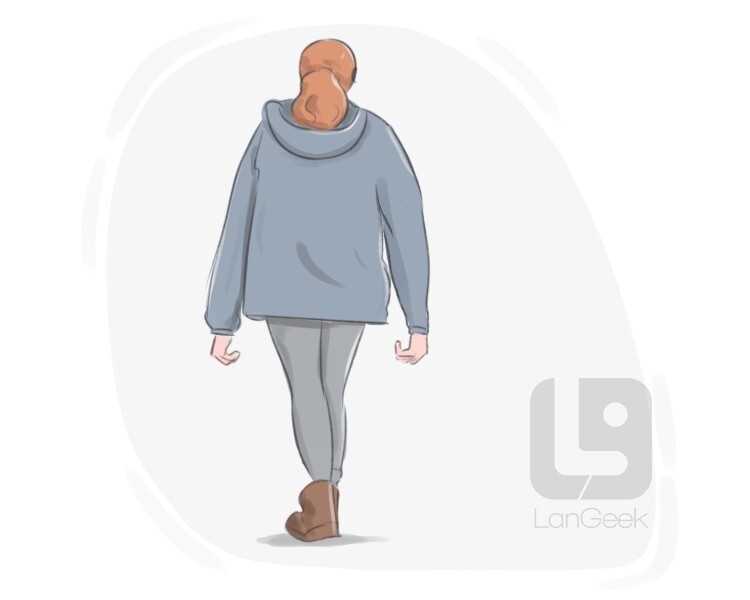
to stop living, working, or being a part of a particular place or group
Transitive: to leave a place or position
例
After graduating high school, she left home to attend college.
高校を卒業した後、彼女は大学に通うために家を出た。
1.3
捨てる, 去る
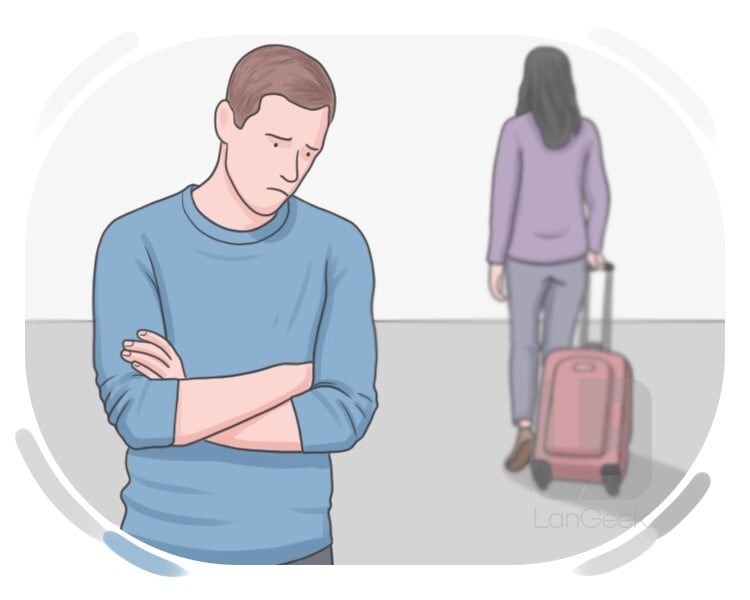
to abandon one's wife, husband, or partner with no plan of returning
Transitive: to leave one's partner
例
After years of unhappiness, she decided to leave her husband.
長年の不幸の後、彼女は夫を去ることに決めた。
02
残す, 放っておく
to allow someone or something to remain in a particular place, state, or condition without changing or disturbing it
Complex Transitive: to leave sb/sth [adj]
例
Don't leave your dog alone in the car on a hot day.
暑い日に犬を車内に一人で残さないでください。
2.1
残す, 去る
to have a surviving family member who continue to live after one's death
Transitive: to leave a surviving family member
例
Sarah left a loving family who will cherish her memory.
サラは、彼女の記憶を大切にする愛する家族を残しました。
2.2
残す, 遺贈する
to give someone something, particularly money and wealth, after one's death
Ditransitive: to leave sb an inheritance | to leave an inheritance to sb
例
In his will, he left a substantial amount of money to his favorite charity.
彼は遺言で、お気に入りの慈善団体に多額のお金を残しました。
2.3
残す, 何かを残す
to make something be seen, heard, or noticed by delivering, writing or recording something
Transitive: to leave a message on sth
例
A multitude of fans left comments on the artist's social media post.
多くのファンがアーティストのソーシャルメディアの投稿にコメントを残しました。
2.4
任せる, 委ねる
to let someone deal with something in one's place
Ditransitive: to leave a task to sb
例
Can I leave it to you to handle the customer complaint?
顧客の苦情をあなたに任せてもいいですか?
2.5
残す, 結果として何かを残す
to cause something to remain as a result
Transitive: to leave sth on sb/sth
例
His words left a lasting impact on me.
彼の言葉は私に永続的な影響を残しました。
2.6
残す, 残る
(in mathematics) to have a certain amount remaining
Transitive: to leave a number
例
Eight minus three leaves five.
八引く三は五を残す。
2.7
残す, 放っておく
to refrain from doing or dealing with something
Transitive: to leave a task or issue
例
Leave the laundry, I'll take care of it tomorrow.
置いといて洗濯物、明日私がやります。
Leave
01
許可, 承認
permission or authorization to do something
文法情報
有生性の状態
抽象的
形態的構成
単純語
不可算
singular
not gender specific
例
The soldier acted without leave from his commanding officer.
その兵士は指揮官からの許可なしに行動した。
02
休暇, 許可
a period of authorized absence from work, duty, or service
例
She is on maternity leave until next month.
彼女は来月まで産休中です。
LanGeek
モバイルアプリをダウンロード

語彙ツリー
leaved
leaver
leaving
leave

