leave
leave
li:v
liv
British pronunciation
/liːv/

Định nghĩa và ý nghĩa của "leave"trong tiếng Anh

to leave
01

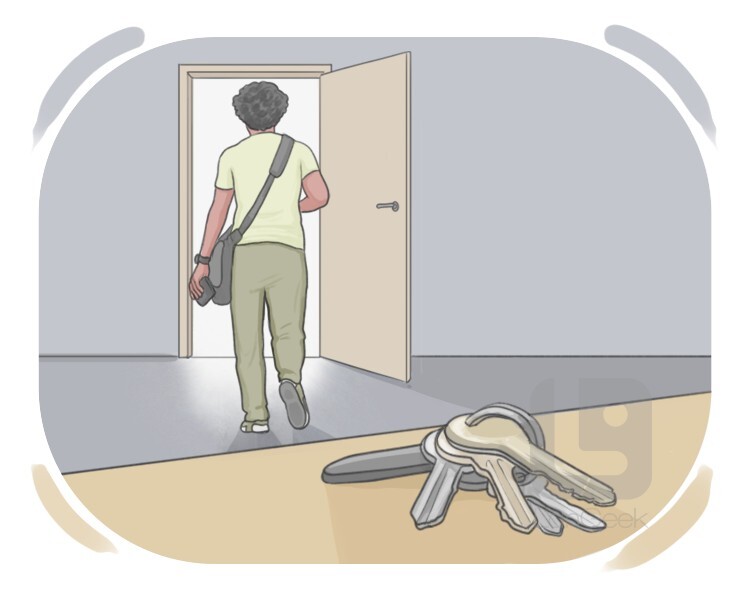
rời đi, bỏ đi
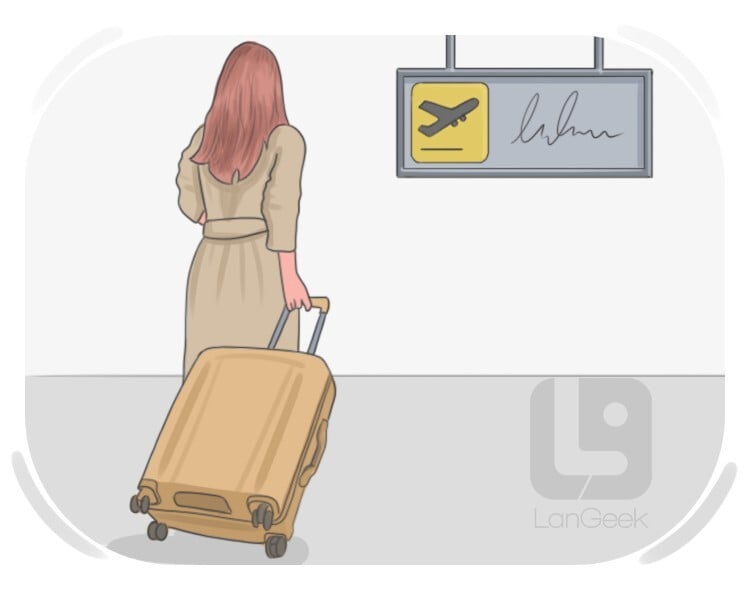
to go away from somewhere
Intransitive: to leave | to leave for a destination
Transitive: to leave sb/sth
to leave definition and meaning
example
Các ví dụ
The bus will leave in five minutes, so be quick!
Xe buýt sẽ rời đi trong năm phút nữa, vì vậy hãy nhanh lên!
1.1

rời đi, bỏ lại

to go away from a place without taking someone or something with one either intentionally or unintentionally
Transitive: to leave sth somewhere
to leave definition and meaning
example
Các ví dụ
Is it okay if I leave my backpack at the front desk?
Có ổn không nếu tôi để ba lô của mình ở quầy lễ tân?
1.2

rời đi, bỏ

to stop living, working, or being a part of a particular place or group
Transitive: to leave a place or position
to leave definition and meaning
example
Các ví dụ
He left the band to focus on his solo career.
Anh ấy đã rời ban nhạc để tập trung vào sự nghiệp solo.
1.3

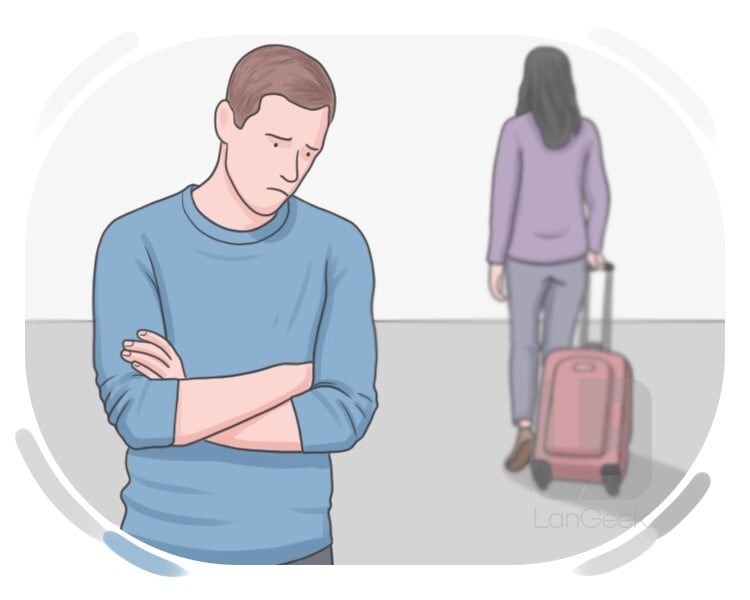
bỏ rơi, rời bỏ

to abandon one's wife, husband, or partner with no plan of returning
Transitive: to leave one's partner
to leave definition and meaning
example
Các ví dụ
He left his wife for another woman.
Anh ta đã bỏ vợ mình vì một người phụ nữ khác.
02

để lại, bỏ mặc

to allow someone or something to remain in a particular place, state, or condition without changing or disturbing it
Complex Transitive: to leave sb/sth [adj]
example
Các ví dụ
Please leave the computer running; I'm in the middle of an important task.
Xin vui lòng để máy tính chạy; tôi đang làm dở một công việc quan trọng.
2.1

để lại, rời bỏ

to have a surviving family member who continue to live after one's death
Transitive: to leave a surviving family member
example
Các ví dụ
The deceased leaves a devoted partner and a newborn baby.
Người quá cố để lại một người bạn đời tận tụy và một đứa trẻ sơ sinh.
2.2

để lại, di chúc

to give someone something, particularly money and wealth, after one's death
Ditransitive: to leave sb an inheritance | to leave an inheritance to sb
example
Các ví dụ
John 's uncle left him a valuable collection of rare coins.
Chú của John đã để lại cho anh ấy một bộ sưu tập tiền xu quý hiếm có giá trị.
2.3

để lại, để lại cái gì đó

to make something be seen, heard, or noticed by delivering, writing or recording something
Transitive: to leave a message on sth
example
Các ví dụ
Leave a message on his voicemail explaining the situation.
Để lại tin nhắn trong thư thoại của anh ấy giải thích tình hình.
2.4

để lại, giao phó

to let someone deal with something in one's place
Ditransitive: to leave a task to sb
example
Các ví dụ
Please leave the decision-making to the experts in this matter.
Xin hãy để việc ra quyết định cho các chuyên gia trong vấn đề này.
2.5

để lại, làm cho cái gì đó còn lại

to cause something to remain as a result
Transitive: to leave sth on sb/sth
example
Các ví dụ
She left a lipstick stain on the coffee mug.
Cô ấy để lại một vết son trên tách cà phê.
2.6

để lại, còn lại

(in mathematics) to have a certain amount remaining
Transitive: to leave a number
example
Các ví dụ
If you remove six from fifteen, you have nine left.
Nếu bạn bớt sáu từ mười lăm, bạn sẽ còn lại chín.
2.7

để lại, bỏ

to refrain from doing or dealing with something
Transitive: to leave a task or issue
example
Các ví dụ
My son leaves studying for tests until the night before.
Con trai tôi để việc học cho các bài kiểm tra đến đêm trước đó.
01

permission or authorization to do something

example
Các ví dụ
The manager granted leave for early departure.
02

a period of authorized absence from work, duty, or service

example
Các ví dụ
He used his remaining leave days before retirement.
LanGeek
Tải Ứng Dụng
langeek application

Download Mobile App

stars

app store