






























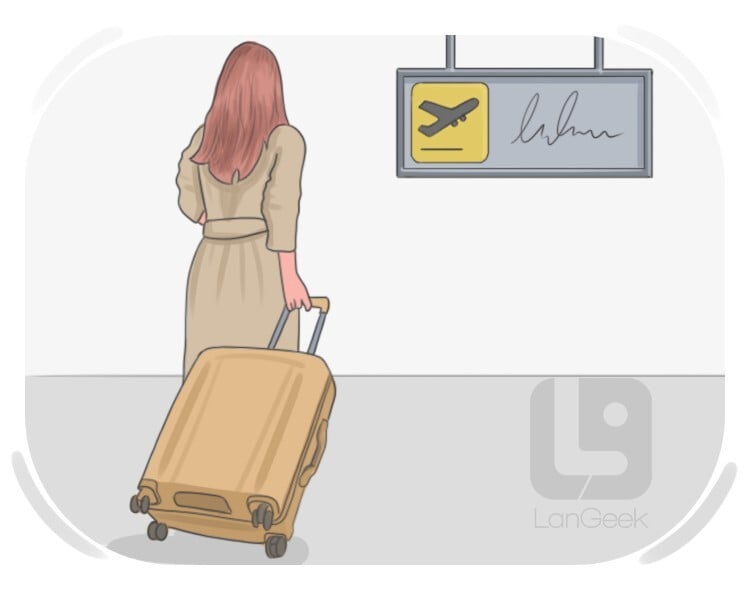
to leave
01
떠나다, 나가다
to go away from somewhere
Intransitive: to leave | to leave for a destination
Transitive: to leave sb/sth
문법 정보
형태적 구성
단순어
이동 동사
불규칙
현재 시제
leave
3인칭 단수
leaves
현재분사
leaving
단순 과거
left
과거분사
left
예시들
She left her friends at the party without any goodbye.
그녀는 작별 인사 없이 파티에서 친구들을 떠났다.
1.1
떠나다, 남기다
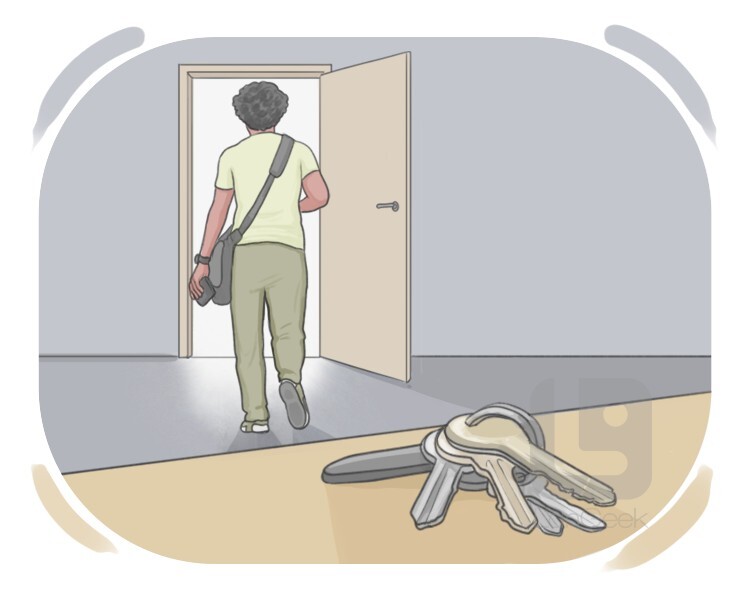
to go away from a place without taking someone or something with one either intentionally or unintentionally
Transitive: to leave sth somewhere
예시들
Be careful not to leave your umbrella behind when you get off the bus.
버스에서 내릴 때 우산을 뒤에 두지 않도록 조심하세요.
1.2
떠나다, 나가다
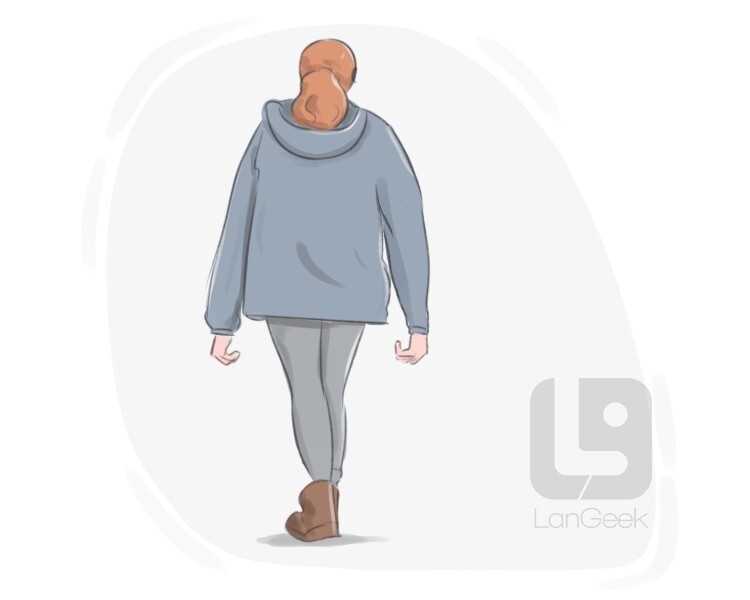
to stop living, working, or being a part of a particular place or group
Transitive: to leave a place or position
예시들
After graduating high school, she left home to attend college.
고등학교를 졸업한 후, 그녀는 대학에 다니기 위해 집을 떠났다.
1.3
버리다, 떠나다
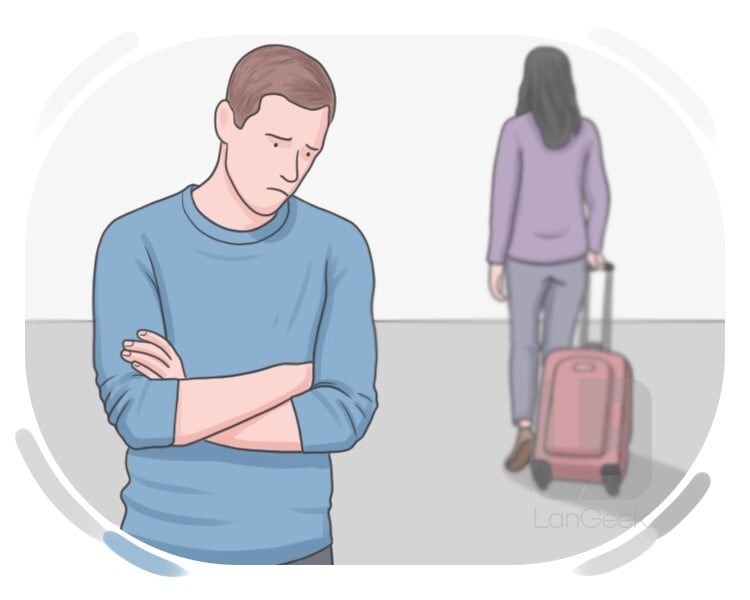
to abandon one's wife, husband, or partner with no plan of returning
Transitive: to leave one's partner
예시들
After years of unhappiness, she decided to leave her husband.
오랜 불행 끝에, 그녀는 남편을 떠나기로 결정했다.
02
남겨두다, 내버려 두다
to allow someone or something to remain in a particular place, state, or condition without changing or disturbing it
Complex Transitive: to leave sb/sth [adj]
예시들
Don't leave your dog alone in the car on a hot day.
더운 날에 개를 차 안에 혼자 두지 마세요.
2.1
남기다, 떠나다
to have a surviving family member who continue to live after one's death
Transitive: to leave a surviving family member
예시들
Sarah left a loving family who will cherish her memory.
사라는 그녀의 기억을 소중히 여길 사랑하는 가족을 남겼습니다.
2.2
남기다, 유증하다
to give someone something, particularly money and wealth, after one's death
Ditransitive: to leave sb an inheritance | to leave an inheritance to sb
예시들
In his will, he left a substantial amount of money to his favorite charity.
그는 유언에서 좋아하는 자선 단체에 상당한 금액을 남겼습니다.
2.3
남기다, 무언가를 남기다
to make something be seen, heard, or noticed by delivering, writing or recording something
Transitive: to leave a message on sth
예시들
A multitude of fans left comments on the artist's social media post.
수많은 팬들이 아티스트의 소셜 미디어 게시물에 댓글을 남겼습니다.
2.4
맡기다, 위임하다
to let someone deal with something in one's place
Ditransitive: to leave a task to sb
예시들
Can I leave it to you to handle the customer complaint?
고객 불만을 처리하는 것을 당신에게 맡겨도 될까요?
2.5
남기다, 결과로 무언가를 남게 하다
to cause something to remain as a result
Transitive: to leave sth on sb/sth
예시들
His words left a lasting impact on me.
그의 말은 나에게 지속적인 영향을 남겼다.
2.6
남기다, 남다
(in mathematics) to have a certain amount remaining
Transitive: to leave a number
예시들
Eight minus three leaves five.
팔 빼기 삼은 오를 남긴다.
2.7
남기다, 포기하다
to refrain from doing or dealing with something
Transitive: to leave a task or issue
예시들
Leave the laundry, I'll take care of it tomorrow.
두어 빨래, 내일 내가 할게.
Leave
01
허가, 승인
permission or authorization to do something
문법 정보
유생성 상태
추상
형태적 구성
단순어
불가산
singular
not gender specific
예시들
The soldier acted without leave from his commanding officer.
그 군인은 지휘관의 허가 없이 행동했다.
02
휴가, 휴직
a period of authorized absence from work, duty, or service
예시들
She is on maternity leave until next month.
그녀는 다음 달까지 출산 휴가 중입니다.
LanGeek
모바일 앱 다운로드

어휘 나무
leaved
leaver
leaving
leave

