āĻ āύā§āϏāύā§āϧāĻžāύ āĻāϰā§āύ
āĻ āĻāĻŋāϧāĻžāύā§āϰ āĻāĻžāώāĻž āύāĻŋāϰā§āĻŦāĻžāĻāύ āĻāϰā§āύ
āĻāĻĒāύāĻžāϰ āĻāĻžāώāĻž āύāĻŋāϰā§āĻŦāĻžāĻāύ āĻāϰā§āύ
harbor
/ËhÉËbÉ/
harbour
Harbor
01
āĻŦāύā§āĻĻāϰ, āĻšāĻžāϰāĻŦāĻžāϰ
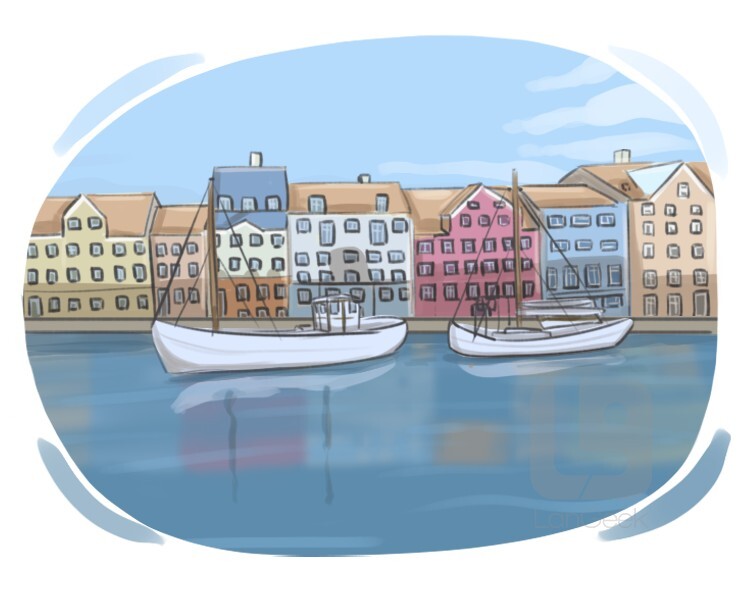
a sheltered area of water along the coast where ships, boats, and other vessels can anchor safely, typically protected from rough seas by natural or artificial barriers
āĻāĻĻāĻžāĻšāϰāĻŖ
The town âs harbor is busy with fishing boats returning early in the morning.
āĻļāĻšāϰā§āϰ āĻŦāύā§āĻĻāϰ āϏāĻāĻžāϞ⧠āĻĢāĻŋāϰ⧠āĻāϏāĻž āĻŽāĻžāĻ āϧāϰāĻžāϰ āύā§āĻāĻžāϝāĻŧ āĻŦā§āϝāϏā§āϤāĨ¤
āĻāĻĻāĻžāĻšāϰāĻŖ
The library became a harbor for students looking to escape the chaos of campus life.
āϞāĻžāĻāĻŦā§āϰā§āϰāĻŋ āĻā§āϝāĻžāĻŽā§āĻĒāĻžāϏ āĻā§āĻŦāύā§āϰ āĻŦāĻŋāĻļā§āĻā§āĻāϞāĻž āĻĨā§āĻā§ āĻĒāĻžāϞāĻžāϤ⧠āĻāĻžāĻāϝāĻŧāĻž āĻļāĻŋāĻā§āώāĻžāϰā§āĻĨā§āĻĻā§āϰ āĻāύā§āϝ āĻāĻāĻāĻŋ āĻāĻļā§āϰāϝāĻŧāϏā§āĻĨāϞ āĻšāϝāĻŧā§ āĻāĻ ā§āĻā§āĨ¤
to harbor
01
āĻĒā§āώāĻŖ āĻāϰāĻž, āϰāĻžāĻāĻž
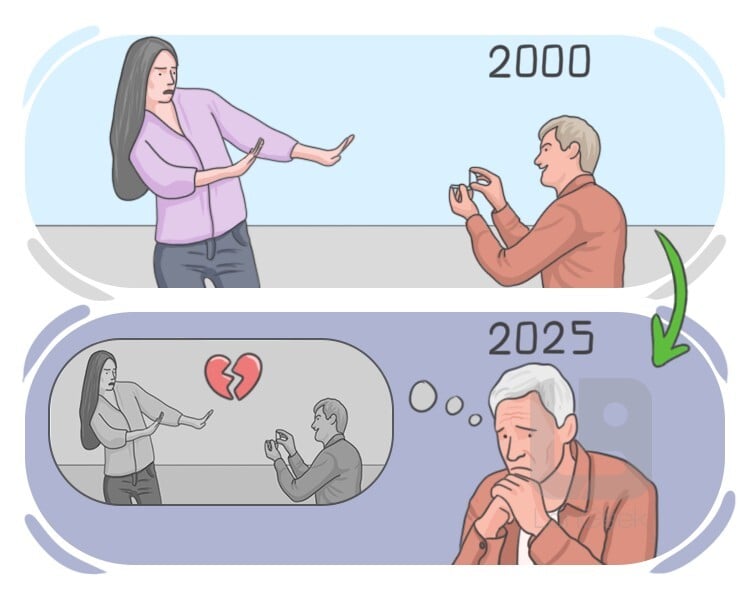
to maintain thoughts, feelings, or emotions, often over time
Transitive: to harbor a thought or feeling
āĻāĻĻāĻžāĻšāϰāĻŖ
She harbored doubts about the project âs success from the very beginning.
āϤāĻŋāύāĻŋ āĻĒā§āϰāĻāϞā§āĻĒā§āϰ āϏāĻžāĻĢāϞā§āϝ āϏāĻŽā§āĻĒāϰā§āĻā§ āĻļā§āϰ⧠āĻĨā§āĻā§āĻ āĻĒā§āώāĻŖ āĻāϰā§āĻāĻŋāϞā§āύ āϏāύā§āĻĻā§āĻšāĨ¤
02
āĻāĻļā§āϰāϝāĻŧ āĻĻā§āĻāϝāĻŧāĻž, āϏā§āϰāĻā§āώāĻž āĻĒā§āϰāĻĻāĻžāύ āĻāϰāĻž
to provide a safe place for a person
Transitive: to harbor sb
āĻāĻĻāĻžāĻšāϰāĻŖ
She was arrested for harboring a known criminal in her home.
āϤāĻŋāύāĻŋ āϤāĻžāϰ āĻŦāĻžāĻĄāĻŧāĻŋāϤ⧠āĻāĻāĻāύ āĻĒāϰāĻŋāĻāĻŋāϤ āĻ
āĻĒāϰāĻžāϧā§āĻā§ āĻāĻļā§āϰāϝāĻŧ āĻĻā§āĻāϝāĻŧāĻžāϰ āĻāύā§āϝ āĻā§āϰā§āĻĢāϤāĻžāϰ āĻšāϝāĻŧā§āĻāĻŋāϞā§āύāĨ¤
2.1
āĻāĻļā§āϰāϝāĻŧ āĻĻā§āĻāϝāĻŧāĻž, āϏā§āϰāĻā§āώāĻž āĻĒā§āϰāĻĻāĻžāύ āĻāϰāĻž
to serve as a habitat or protective environment for a living organism
Transitive: to harbor an organism
āĻāĻĻāĻžāĻšāϰāĻŖ
Coral reefs harbor diverse marine life, including fish, crustaceans, and mollusks.
āĻĒā§āϰāĻŦāĻžāϞ āĻĒā§āϰāĻžāĻā§āϰ āĻŽāĻžāĻ, āĻā§āϰāĻžāϏā§āĻā§āϏāĻŋāϝāĻŧāĻžāύ āĻāĻŦāĻ āĻŽā§āϞāĻžāϏā§āĻ āϏāĻš āĻŦā§āĻāĻŋāϤā§āϰā§āϝāĻŽāϝāĻŧ āϏāĻžāĻŽā§āĻĻā§āϰāĻŋāĻ āĻā§āĻŦāύāĻā§ āĻāĻļā§āϰāϝāĻŧ āĻĻā§āϝāĻŧāĨ¤
āĻāĻĻāĻžāĻšāϰāĻŖ
The infected patient unknowingly harbored the flu virus for days before showing symptoms.
āϏāĻāĻā§āϰāĻŽāĻŋāϤ āϰā§āĻā§ āϞāĻā§āώāĻŖ āĻĻā§āĻāĻžāύā§āϰ āĻāĻā§ āĻāϝāĻŧā§āĻ āĻĻāĻŋāύ āϧāϰ⧠āĻ
āĻāĻžāύā§āϤā§āĻ āĻĢā§āϞ⧠āĻāĻžāĻāϰāĻžāϏ āĻŦāĻšāύ āĻāϰāĻāĻŋāϞāĨ¤
03
āϧāĻžāϰāĻŖ āĻāϰāĻž, āϰāĻžāĻāĻž
to hold or possess something within
Transitive: to harbor sth
āĻāĻĻāĻžāĻšāϰāĻŖ
The software platform is designed to harbor a vast amount of data.
āϏāĻĢā§āĻāĻāϝāĻŧā§āϝāĻžāϰ āĻĒā§āϞā§āϝāĻžāĻāĻĢāϰā§āĻŽāĻāĻŋ āĻŦāĻŋāĻĒā§āϞ āĻĒāϰāĻŋāĻŽāĻžāĻŖ āĻĄā§āĻāĻž āϧāĻžāϰāĻŖ āĻāϰāĻžāϰ āĻāύā§āϝ āĻĄāĻŋāĻāĻžāĻāύ āĻāϰāĻž āĻšāϝāĻŧā§āĻā§āĨ¤
Old use
āĻāĻĻāĻžāĻšāϰāĻŖ
The fishing boat harbored in the small coastal town after a long journey at sea.
āĻŽāĻžāĻ āϧāϰāĻžāϰ āύā§āĻāĻžāĻāĻŋ āĻĻā§āϰā§āĻ āϏāĻŽā§āĻĻā§āϰāϝāĻžāϤā§āϰāĻžāϰ āĻĒāϰ āĻā§āĻ āĻāĻĒāĻā§āϞā§āϝāĻŧ āĻļāĻšāϰ⧠āύā§āĻāϰ āĻāϰā§āĻāĻŋāϞāĨ¤
05
āĻāĻļā§āϰāϝāĻŧ āĻĻā§āĻāϝāĻŧāĻž, āĻāϤāĻŋāĻĨā§āϝāĻŧāϤāĻž āĻāϰāĻž
(of an organism) to live within another living organism as a host
Intransitive: to harbor somewhere
āĻāĻĻāĻžāĻšāϰāĻŖ
Viruses can harbor in the cells of their hosts for long periods without detection.
āĻāĻžāĻāϰāĻžāϏāĻā§āϞāĻŋ āϤāĻžāĻĻā§āϰ āĻšā§āϏā§āĻā§āϰ āĻā§āώ⧠āĻĻā§āϰā§āĻ āϏāĻŽāϝāĻŧ āϧāϰ⧠āĻļāύāĻžāĻā§āϤ āύāĻž āĻšāϝāĻŧā§ āĻŦāĻžāϏ āĻāϰāϤ⧠āĻĒāĻžāϰā§āĨ¤
āĻļāĻŦā§āĻĻāϤāĻžāϤā§āϤā§āĻŦāĻŋāĻ āĻāĻžāĻ
harborage
harborless
harbor
āύāĻŋāĻāĻāĻŦāϰā§āϤ⧠āĻļāĻŦā§āĻĻ