






























to border
01
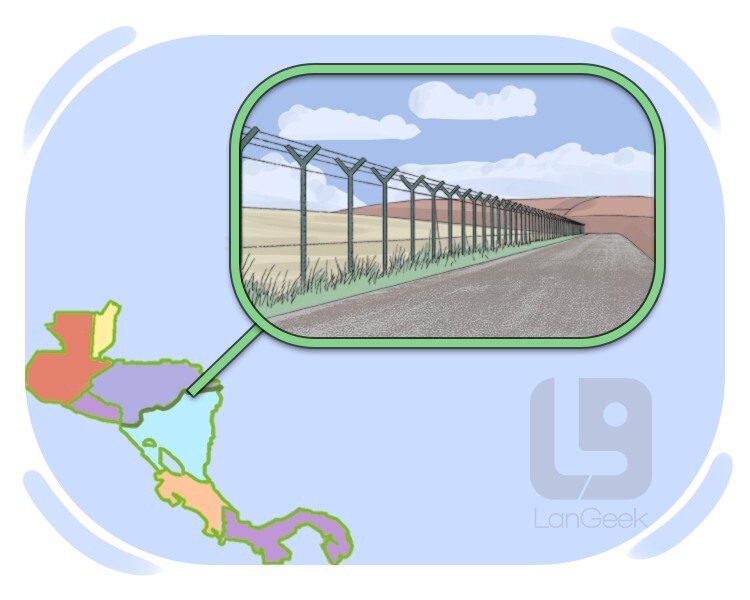
이 지역은 사막과 접해 있어 기후와 농업에 영향을 미칩니다., 이 지역은 사막과 경계를 이루고 있어 기후와 농업에 영향을 줍니다.
to be the neighboring country or region next to another, sharing a line
Transitive: to border a region or country
문법 정보
형태적 구성
단순어
상태 동사
규칙
현재 시제
border
3인칭 단수
borders
현재분사
bordering
단순 과거
bordered
과거분사
bordered
예시들
The region borders a desert, influencing its climate and agriculture.
이 지역은 사막과 접해 있어 기후와 농업에 영향을 미칩니다.
02
둘러싸다, 경계를 이루다
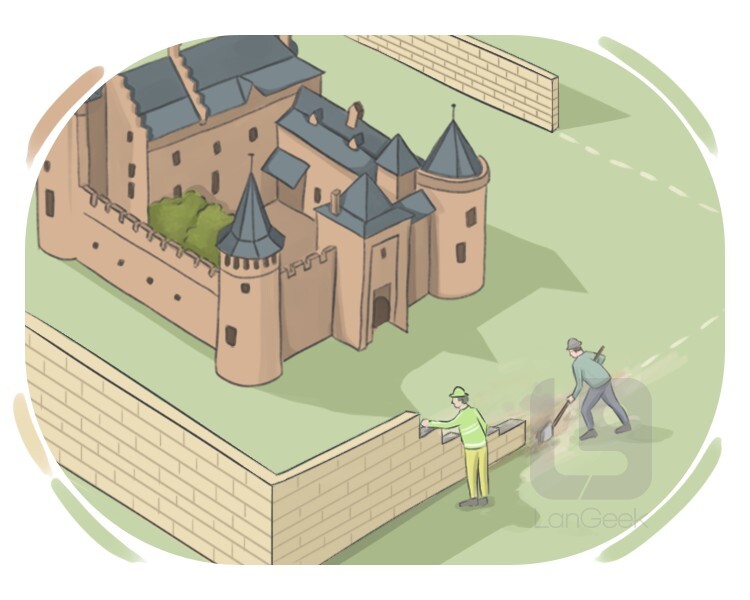
to form a boundary around something
Transitive: to border an area
예시들
The garden was bordered by a colorful array of flowers.
정원은 화려한 꽃들로 둘러싸여 있었다.
03
테두리를 두르다, 장식용 가장자리를 추가하다
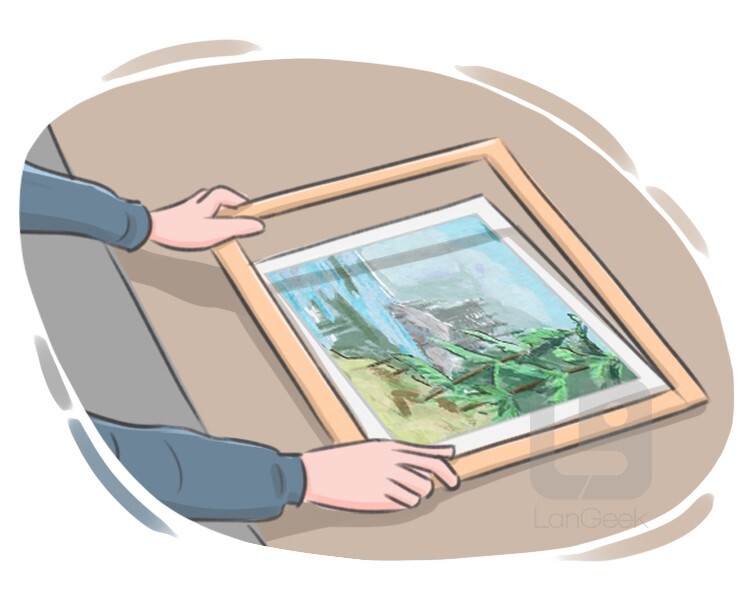
to add a decorative edge to something for embellishment or style
Transitive: to border sth
예시들
She bordered the tablecloth with intricate lace to enhance its elegance.
그녀는 정교한 레이스로 테이블보를 장식하여 우아함을 더했습니다.
04
접경하다, 인접하다
to share a boundary or be directly adjacent to something
Transitive: to border on an area
예시들
The U.S. borders on Canada to the north and Mexico to the south.
미국은 북쪽으로 캐나다와, 남쪽으로 멕시코와 국경을 접하고 있습니다.
Border
01
국경, 가장자리
the edge or limit of a surface
문법 정보
유생성 상태
무생물
형태적 구성
단순어
가산
singular
not gender specific
복수형
borders
예시들
Grass grew right up to the border of the pavement.
잔디가 인도 가장자리까지 자랐다.
1.1
국경, 경계
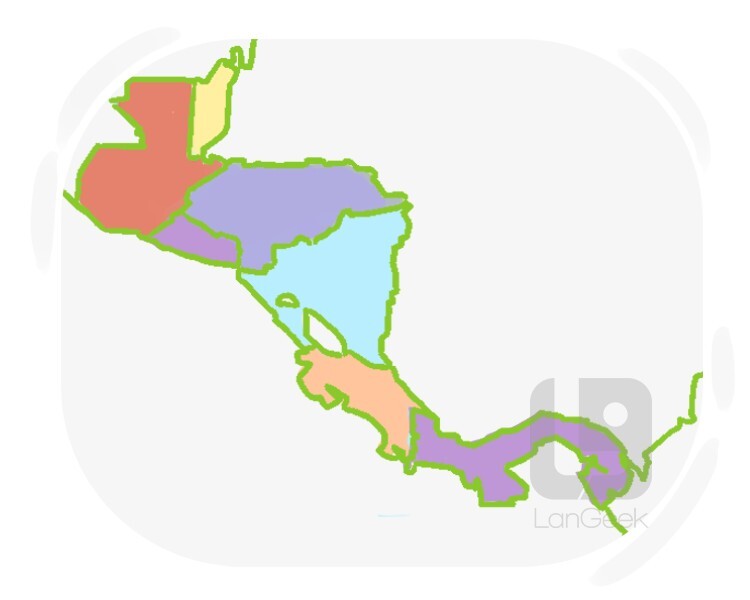
a line that separates two countries, provinces, or states from each other
예시들
Diplomatic tensions can escalate when disputes arise over the delineation of borders between nations.
국가 간 경계를 둘러싼 분쟁이 발생하면 외교적 긴장이 고조될 수 있습니다.
1.2
가장자리, 경계
the area immediately inside a boundary
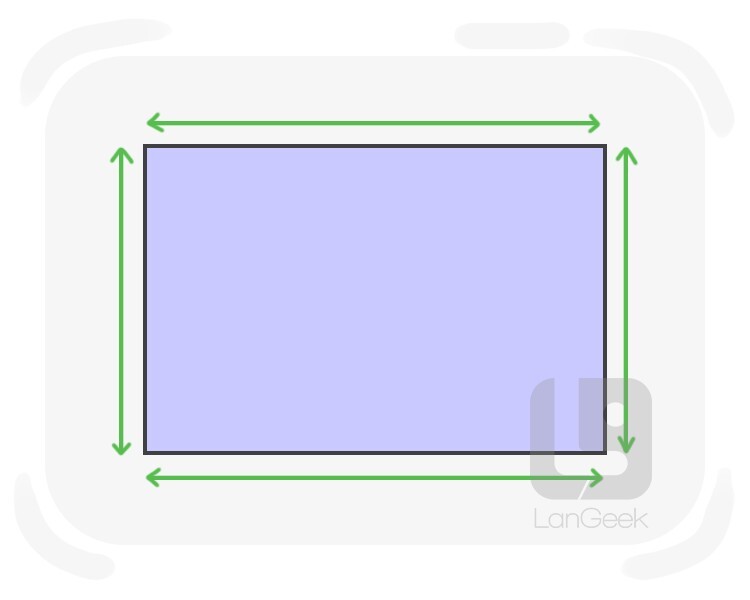
예시들
A fence runs along the border of the property.
울타리가 부동산의 경계를 따라 달리고 있습니다.
02
화단, 가장자리
a narrow strip of soil used for growing flowers, shrubs, or similar plants
예시들
Tulips lined the border of the garden.
튤립이 정원의 경계를 따라 늘어서 있었다.
03
가장자리, 테두리
a strip forming the outer edge of an object or area
예시들
The quilt had a dark blue border.
퀼트에는 짙은 파란색 테두리가 있었습니다.
04
테두리, 액자
an ornamental edge with raised or recessed patterns
예시들
The mirror had a carved wooden border.
거울에는 조각된 나무 테두리가 있었습니다.
LanGeek
모바일 앱 다운로드

어휘 나무
bordered
border

