






























Voice
文法情報
有生性の状態
抽象的
形態的構成
単純語
可算
singular
not gender specific
複数形
voices
例
Her voice was soft and soothing, perfect for reading bedtime stories.
彼女の声は柔らかく心地よく、寝る前の読み聞かせに最適でした。
1.1
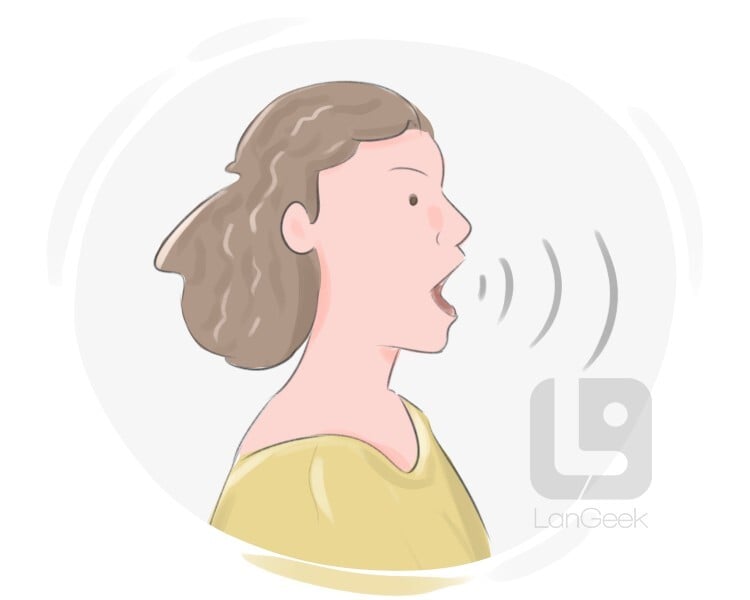
声
the unique and recognizable way someone sounds when they sing or speak, including aspects like tone, pitch, etc.
例
He tried to mimic the singer's voice, hitting the high notes with effort.
彼は歌手の声を真似しようとし、努力して高音を出した。
1.2
声, 音
any sound that resembles human speech or a vocal utterance
例
The wind made a voice through the trees.
風が木々を通して声を立てた。
1.3
声, 歌手
a person who sings
例
Several voices performed at the charity concert.
複数の声がチャリティーコンサートで演奏した。
02
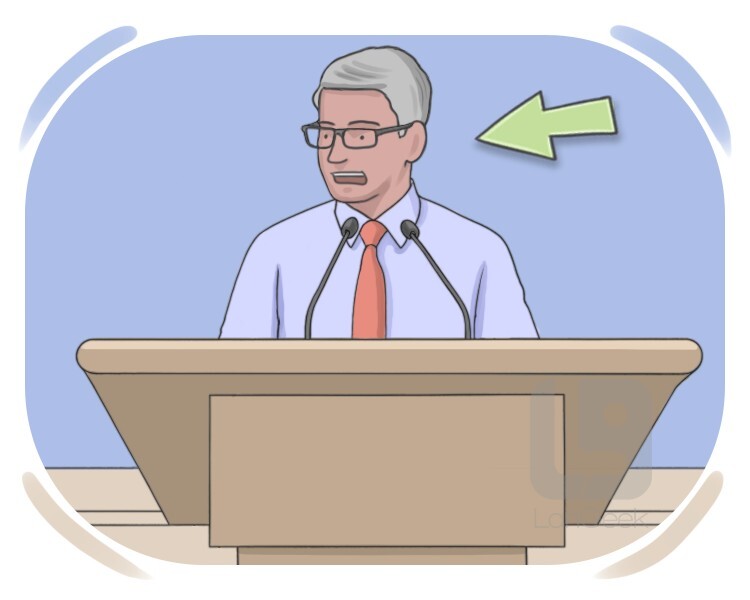
スポークスパーソン, 代表者
a person who speaks or acts on behalf of another, expressing their policies or intentions
例
The lawyer is the voice of her client.
弁護士は依頼人の声である。
03
声, 意見を述べる権利
the right to give an opinion on something
例
In a democracy, freedom of speech ensures that every citizen has a voice in expressing their opinions and beliefs.
民主主義では、言論の自由により、すべての市民が自分の意見や信念を表現する声を持つことが保証されています。
04
声, 代弁者
a medium or channel through which ideas, opinions, or emotions are expressed
例
Poetry is her voice in the world.
詩は世界における彼女の声です。
05
声, 表現
something that communicates ideas or emotions in a way reminiscent of speech
例
The mural gave a voice to the city's history.
その壁画は街の歴史に声を与えた。
06
声, 声
the physical or learned capacity to produce speech
例
He lost his voice after shouting at the concert.
彼はコンサートで叫んだ後、声を失った。
例
Active voice, on the other hand, is used when the subject of a sentence performs the action expressed by the verb.
能動態は、一方で、文の主語が動詞によって表される動作を行うときに使用されます。
08
声, パート
the melody, line, or part sung or played by a particular instrument in polyphonic music
例
The soprano carried the main voice in the quartet.
ソプラノは四重奏で主な声を担った。
09
声, 意見
a specific opinion on something
例
His voice on the matter was clear—he believed that education reform should be a top priority for the government.
この問題に関する彼の声は明確だった—教育改革は政府の最優先事項であるべきだと彼は信じていた。
10
声, 口調
the distinctive way a character's personality, beliefs, attitudes, and emotions are revealed through speech or thoughts
例
The author gave the protagonist a unique voice.
著者は主人公に独自の声を与えた。
to voice
01
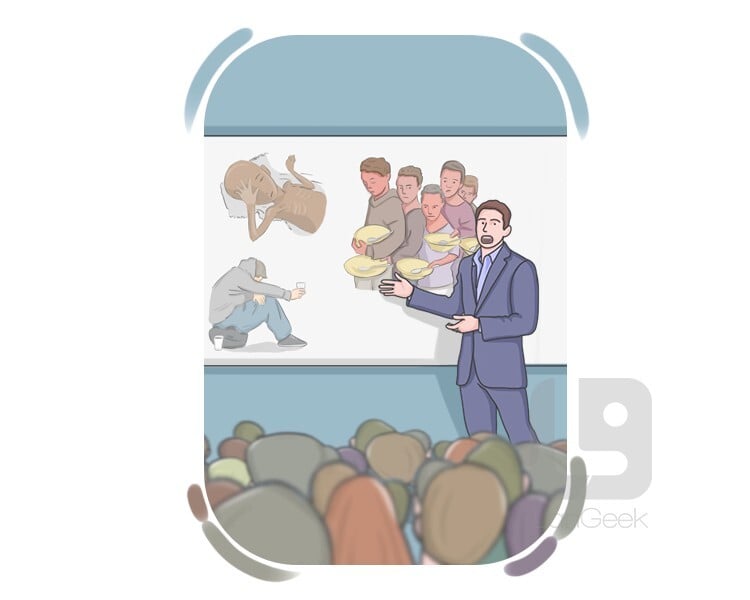
表明する, 述べる
to express something verbally and openly, especially a feeling, opinion, etc.
Transitive: to voice a feeling or opinion
文法情報
形態的構成
単純語
動作動詞
規則的
現在時制
voice
三人称単数
voices
現在分詞
voicing
単純過去
voiced
過去分詞
voiced
例
In the meeting, employees were encouraged to voice their opinions on the proposed changes.
会議では、従業員が提案された変更についての意見を述べるように奨励されました。
02
有声化する, 声帯を震わせて発音する
(phonetics) to articulate a speech sound with the vibration of the vocal cords
Transitive: to voice a speech sound
例
She voiced the "z" sound in the word "zebra" by allowing her vocal cords to vibrate while pronouncing it.
彼女は「zebra」という単語の「z」の音を有声化し、発音しながら声帯を振動させた。
LanGeek
モバイルアプリをダウンロード

語彙ツリー
vocal
voiceless
voice

