

অনুসন্ধান করুন
অভিধানের ভাষা নির্বাচন করুন





























নমস্কার করা, মাথা নত করা
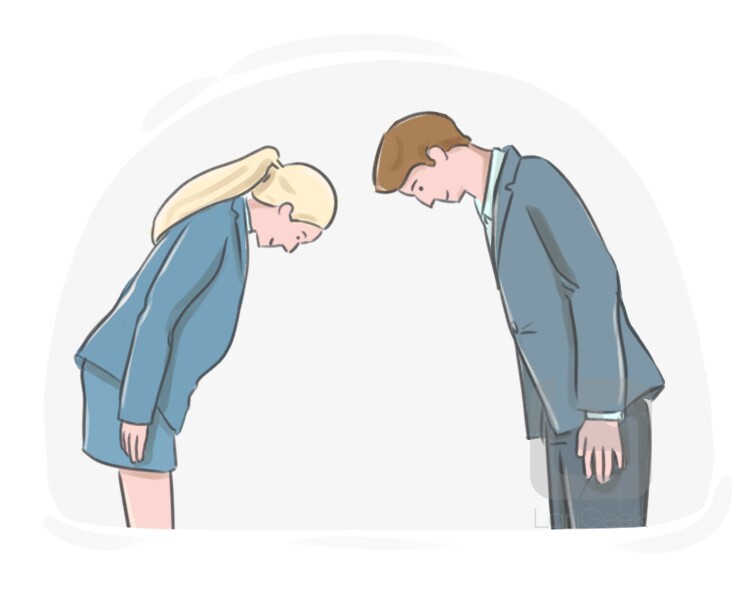
রানী ঘরে প্রবেশ করলে, দরবারীরা গভীরভাবে নমস্কার করল।
নতি স্বীকার করা, আত্মসমর্পণ করা
আলোচনার সময়, উভয় পক্ষকে সমঝোতা করতে হয়েছিল এবং কিছু বিরোধী দৃষ্টিভঙ্গির কাছে নতি স্বীকার করতে হয়েছিল।
ধনুক বাজানো, ধনুক দিয়ে বাজানো
অর্কেস্ট্রায়, সেলিস্ট সাবধানে প্রতিটি নোট বাজাল।
নমস্কার করা, মাথা নত করা
তিনি তার পরামর্শদাতার দিকে তাকালেন এবং তাদের নির্দেশনার জন্য গভীর কৃতজ্ঞতায় নমিত হলেন।
ফিতা, গিঁট
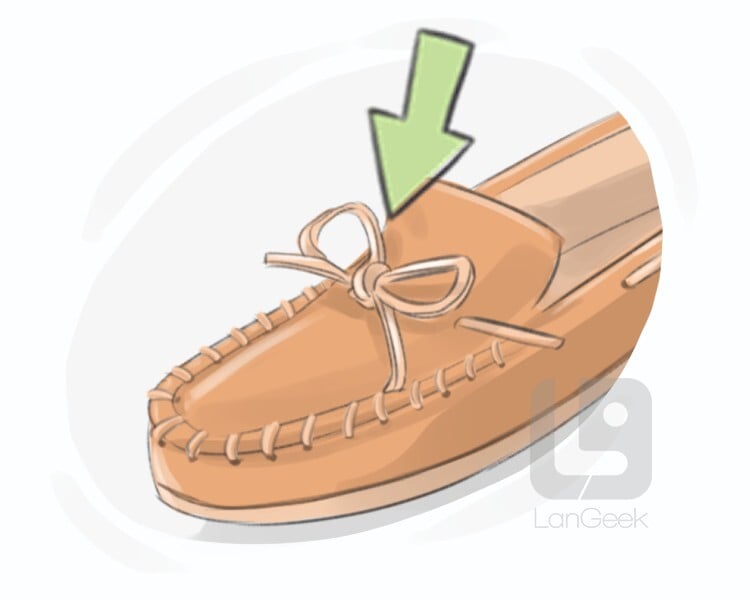
সে তার জুতো একটি পরিপাটি বাঁধন দিয়ে বেঁধেছে।
ধনুক, বেহালার ধনুক
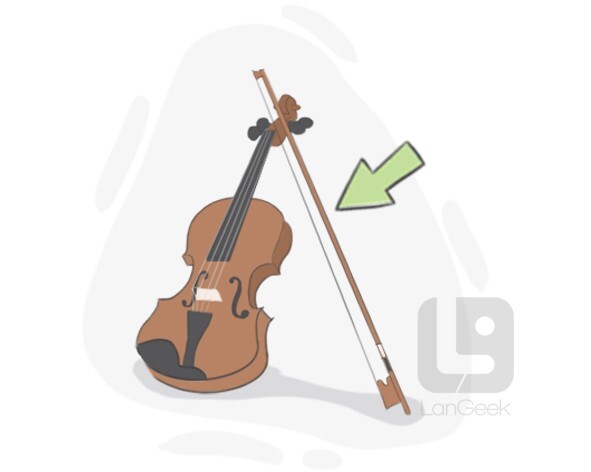
বেহালাবাদকটি তার ধনুকটি তারগুলির উপর দিয়ে সুন্দরভাবে টেনে নিয়ে, একটি মোহনীয় সুন্দর সুর তৈরি করেছিল।
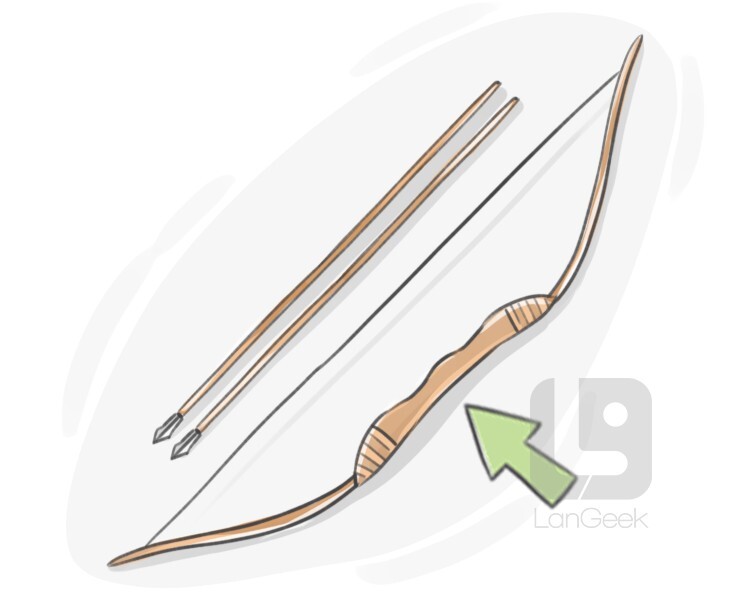
ধনুকধারী তার ধনুক টেনে একটি তীর স্থাপন করল, সাবধানে দূরের লক্ষ্যকে লক্ষ্য করল।
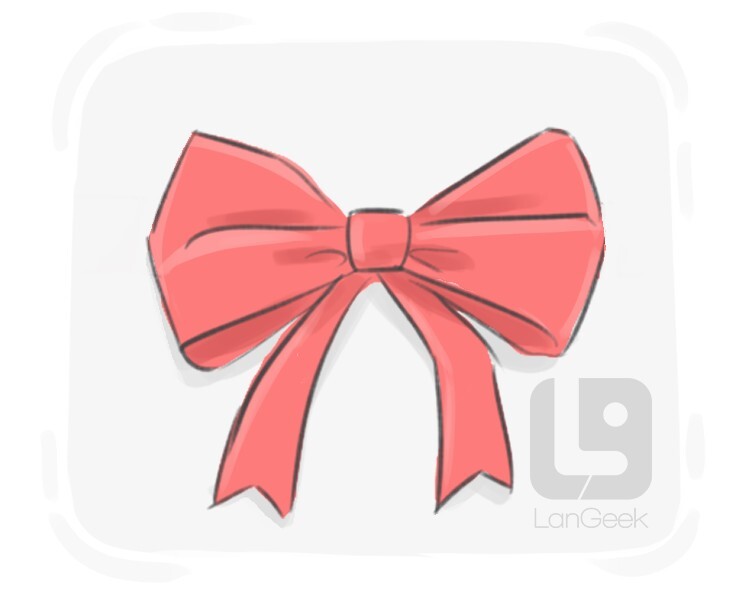
তিনি তার পনিটেইলে একটি উজ্জ্বল লাল বো যোগ করেছেন, তার হেয়ারস্টাইলকে একটি খেলার স্পর্শ দিয়েছেন।
প্রণাম, নমস্কার
তিনি বয়োজ্যেষ্ঠদের অভিবাদন জানাতে নমস্কার করেছিলেন।
ধনুক, বক্ররেখা
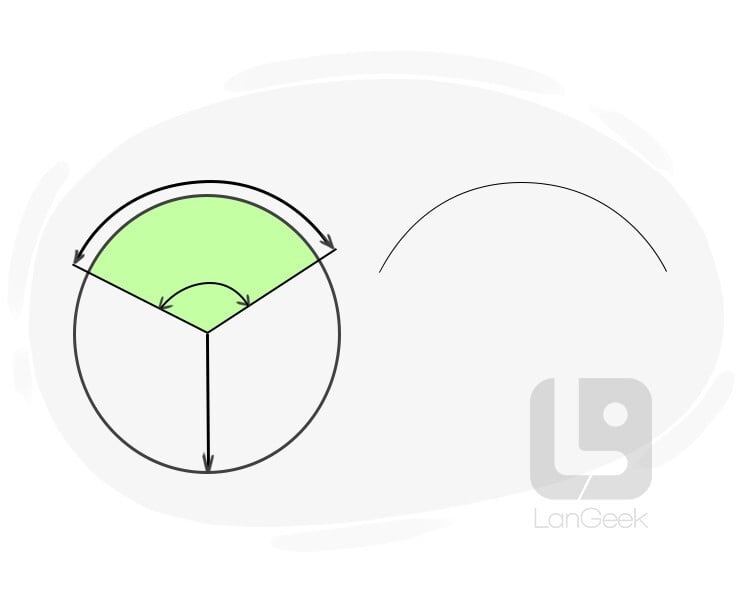
খিলানটি পথের উপর একটি নিখুঁত ধনুক গঠন করেছিল।
জাহাজের সামনের অংশ, নৌকার অগ্রভাগ
যাত্রীরা উপকূলরেখা দেখার জন্য নৌকার সামনের অংশে দাঁড়িয়েছিল।
ধনুকের আঘাত, ধনুকের টান
সেলোবাদক একটি দীর্ঘ, মসৃণ ধনুক চালালেন।
নমস্কার, প্রণাম
শিল্পীরা একটি সমন্বিত প্রণাম করেছিলেন।
LanGeek
আমাদের মোবাইল অ্যাপ ডাউনলোড করুন

শব্দতাত্ত্বিক গাছ

