






























to slant
01
倾斜, 歪斜
to incline or tilt, creating an oblique or diagonal angle in a specified direction
Intransitive
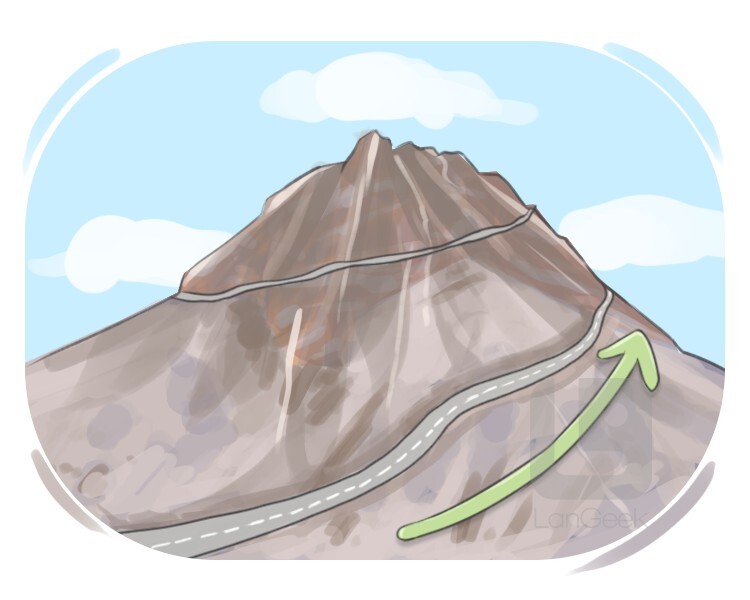
例子
The old tower had weathered many storms, causing it to slant slightly to the side.
古老的塔楼经历了许多风暴,导致它略微向一侧倾斜。
02
倾斜, 歪斜
to move or proceed in a direction that is not straight or perpendicular
Intransitive
例子
The river slants across the valley, creating a meandering course that adds charm to the surrounding landscape.
河流倾斜穿过山谷,形成了一条蜿蜒的路线,为周围的景观增添了魅力。
03
倾斜, 歪斜
to position or direct something in a way that deviates from a straight orientation
Transitive: to slant sth
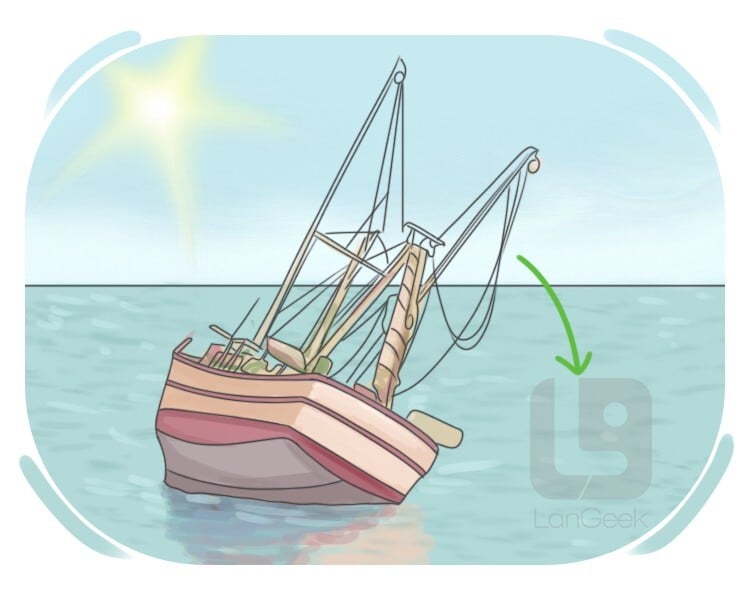
例子
The artist carefully slanted the brushstroke to create a sense of movement and emphasis in the painting.
艺术家小心地倾斜了笔触,以在绘画中创造出一种运动和强调的感觉。
04
歪曲, 带有偏见地呈现
to interpret or present information with a subjective point of view or bias
Transitive: to slant information
语法信息
形态构成
简单词
动作动词
规则
现在时
slant
第三人称单数
slants
现在分词
slanting
一般过去时
slanted
过去分词
slanted
例子
The journalist was accused of slanting the news article.
这位记者被指控歪曲了新闻文章。
Slant
01
倾斜, 坡度
a slope, angle, or incline that departs from level or flat alignment
语法信息
有生性状态
无生命
形态构成
简单词
可数
singular
not gender specific
复数形式
slants
例子
The roof had a steep slant to help with rain runoff.
屋顶有一个陡峭的斜坡,以帮助雨水径流。
02
偏向, 倾向
a biased or subjective angle in presenting information, often reflecting personal or ideological viewpoints
例子
The article had a clear political slant.
这篇文章有明显的政治倾向。
LanGeek
下载我们的移动应用

词汇树
slanted
slanting
slant

