

Search
Select the dictionary language





























to slant
01
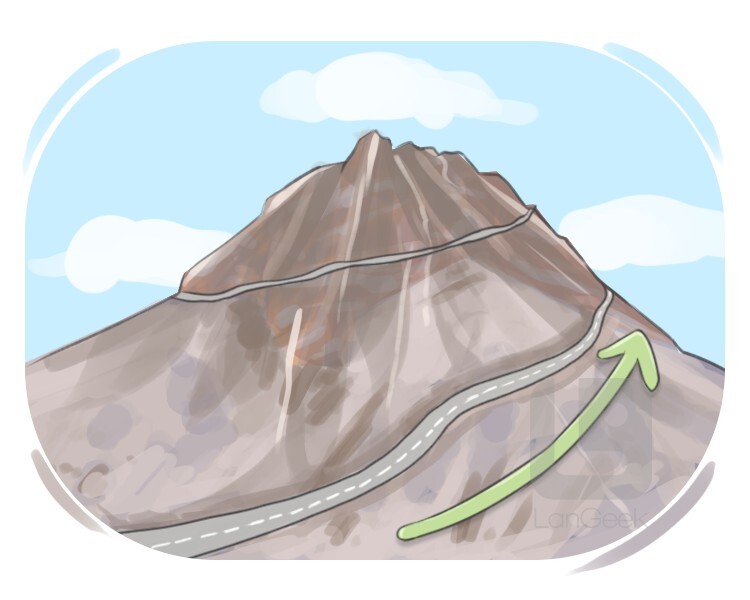
to incline or tilt, creating an oblique or diagonal angle in a specified direction
Intransitive
Examples
The old tower had weathered many storms, causing it to slant slightly to the side.
02
to move or proceed in a direction that is not straight or perpendicular
Intransitive
Examples
The river slants across the valley, creating a meandering course that adds charm to the surrounding landscape.
03
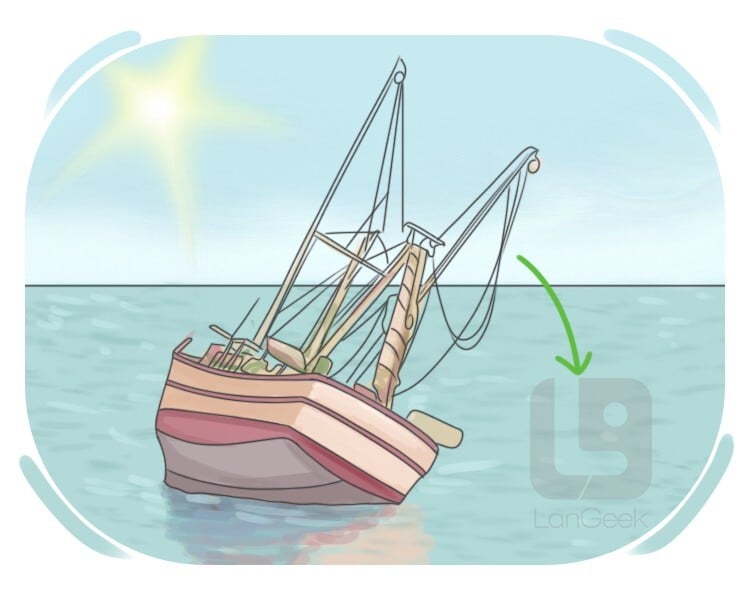
to position or direct something in a way that deviates from a straight orientation
Transitive: to slant sth
Examples
The artist carefully slanted the brushstroke to create a sense of movement and emphasis in the painting.
04
to interpret or present information with a subjective point of view or bias
Transitive: to slant information
Grammatical Information
Composition
Simple
Action verb
Regular
Present tense
slant
3rd person singular
slants
Present participle
slanting
Past simple
slanted
Past participle
slanted
Examples
The journalist was accused of slanting the news article.
Slant
01
a slope, angle, or incline that departs from level or flat alignment
Grammatical Information
Animacy status
Inanimate
Composition
Simple
Countable
singular
not gender specific
Plural form
slants
Examples
The roof had a steep slant to help with rain runoff.
02
a biased or subjective angle in presenting information, often reflecting personal or ideological viewpoints
Examples
The article had a clear political slant.
LanGeek
Download Our Mobile App

Lexical Tree
slanted
slanting
slant

