






























to slant
01
기울이다, 비스듬히 하다
to incline or tilt, creating an oblique or diagonal angle in a specified direction
Intransitive
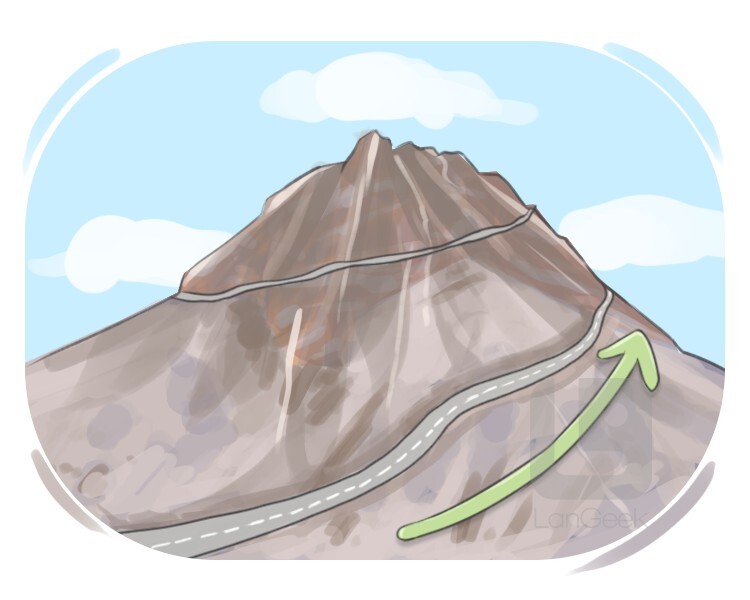
예시들
The old tower had weathered many storms, causing it to slant slightly to the side.
오래된 탑은 많은 폭풍을 견뎌내며 약간 옆으로 기울어졌다.
02
기울이다, 비스듬히 가다
to move or proceed in a direction that is not straight or perpendicular
Intransitive
예시들
The river slants across the valley, creating a meandering course that adds charm to the surrounding landscape.
강이 계곡을 가로지르며 기울어져, 주변 경관에 매력을 더하는 구불구불한 길을 만듭니다.
03
기울이다, 비스듬히 하다
to position or direct something in a way that deviates from a straight orientation
Transitive: to slant sth
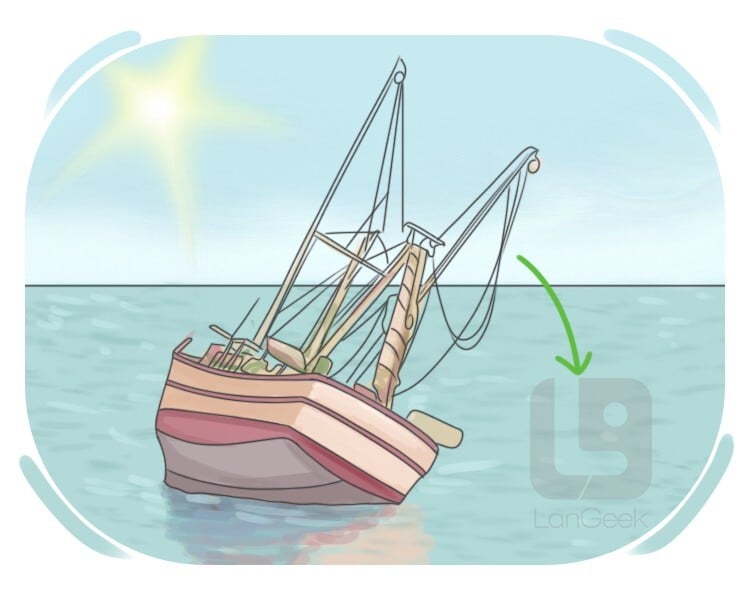
예시들
The artist carefully slanted the brushstroke to create a sense of movement and emphasis in the painting.
화가는 그림에 움직임과 강조의 느낌을 만들기 위해 브러시 스트로크를 조심스럽게 기울였습니다.
04
왜곡하다, 편견을 가지고 제시하다
to interpret or present information with a subjective point of view or bias
Transitive: to slant information
문법 정보
형태적 구성
단순어
동작 동사
규칙
현재 시제
slant
3인칭 단수
slants
현재분사
slanting
단순 과거
slanted
과거분사
slanted
예시들
The journalist was accused of slanting the news article.
그 기자는 뉴스 기사를 왜곡했다는 비난을 받았다.
Slant
01
기울기, 경사
a slope, angle, or incline that departs from level or flat alignment
문법 정보
유생성 상태
무생물
형태적 구성
단순어
가산
singular
not gender specific
복수형
slants
예시들
The roof had a steep slant to help with rain runoff.
지붕에는 빗물 배출을 돕기 위해 가파른 경사가 있었습니다.
02
경향, 방향성
a biased or subjective angle in presenting information, often reflecting personal or ideological viewpoints
예시들
The article had a clear political slant.
그 기사는 명확한 정치적 경향을 가지고 있었다.
예시들
In the dictionary, a slant separates the pronunciation from the definition.
사전에서 사선은 발음을 정의와 구분합니다.
LanGeek
모바일 앱 다운로드

어휘 나무
slanted
slanting
slant

