

Искать





























венчать
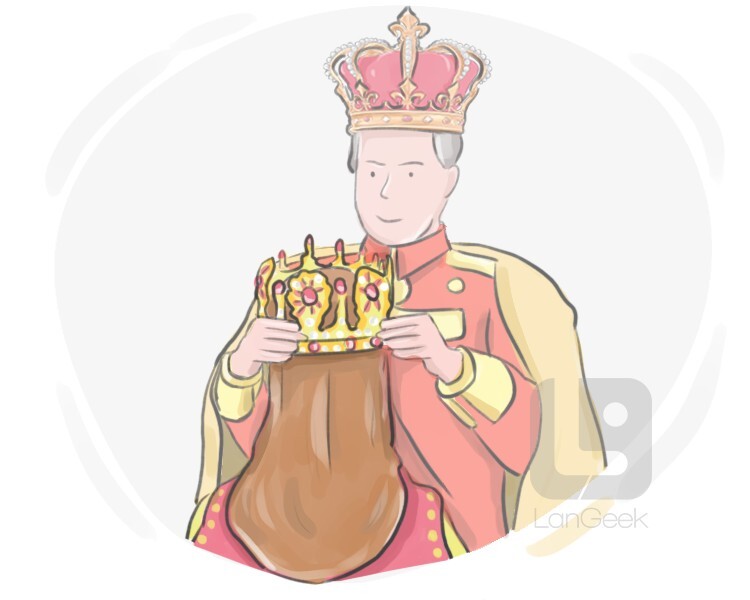
В сложной церемонии коронации Архиепископ коронует нового монарха.
увенчать, завершить
Победа в чемпионской игре увенчала их сезон тяжелой работы.
короновать, установить коронку
Стоматолог установит коронку на зуб, чтобы предотвратить его поломку.
увенчать, короновать
Гора была увенчана снегом, создавая живописный вид.
тулья
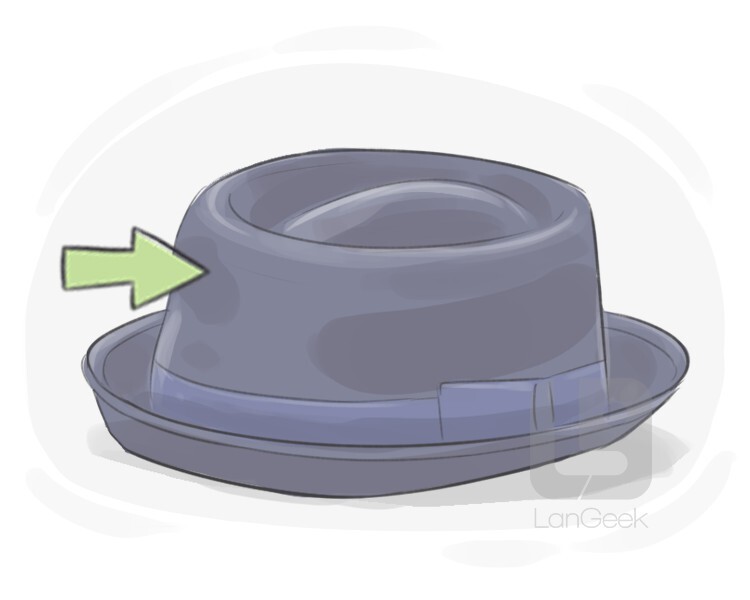
Тулья федора была высокой и помятой.
корона
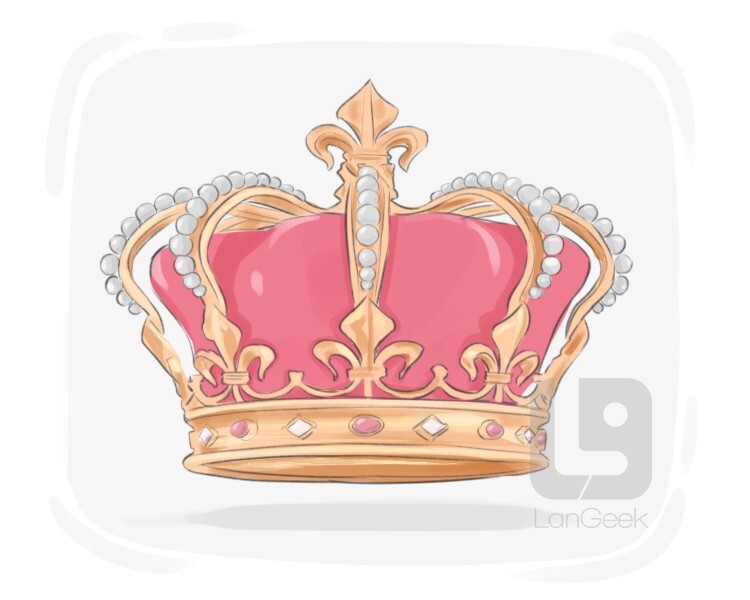
Корона королевы была украшена замысловатыми драгоценностями и являлась символом ее королевского статуса.
коронка
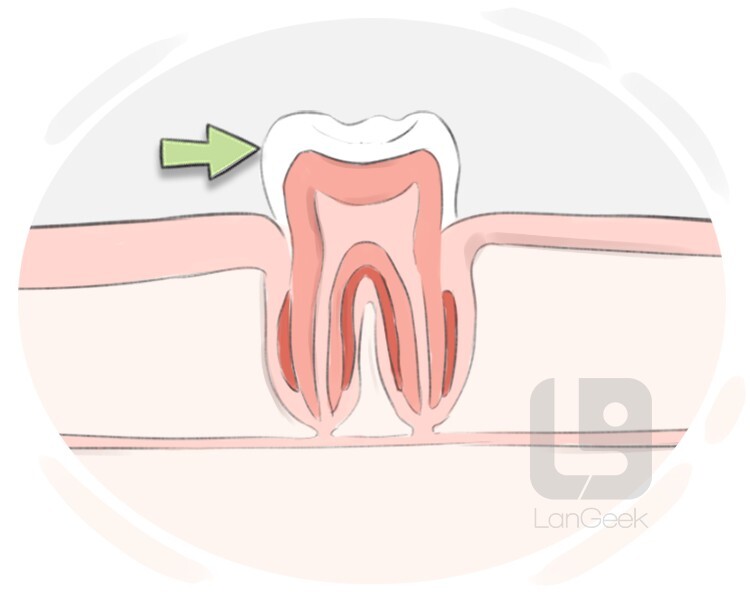
Чистка зубов и использование зубной нити помогают сохранить коронку ваших зубов чистой.
коронка, зубной колпачок
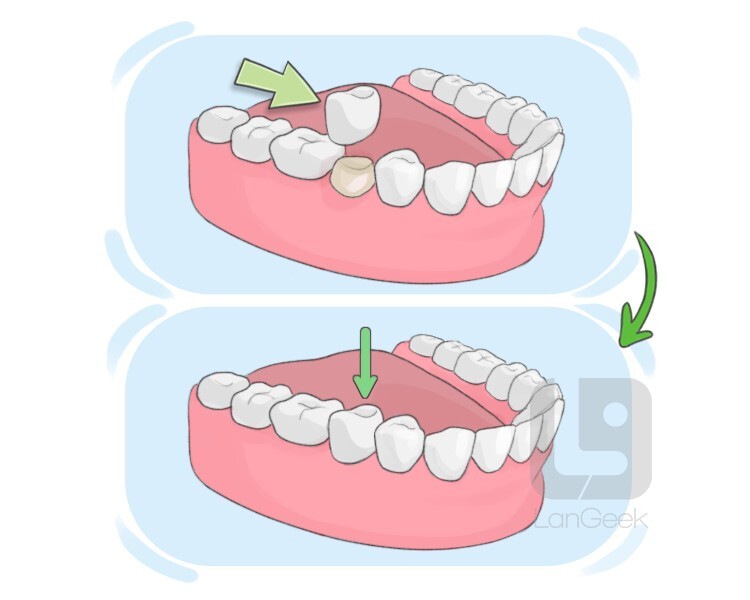
Стоматолог порекомендовал корону для моего сколотого зуба.
макушка, теменная область
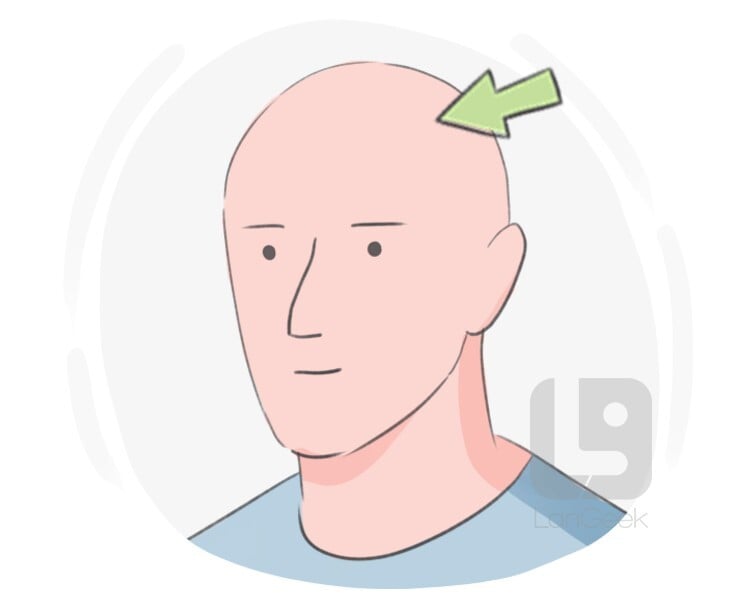
Он рассеянно почесал макушку своей головы.
вершина, пик
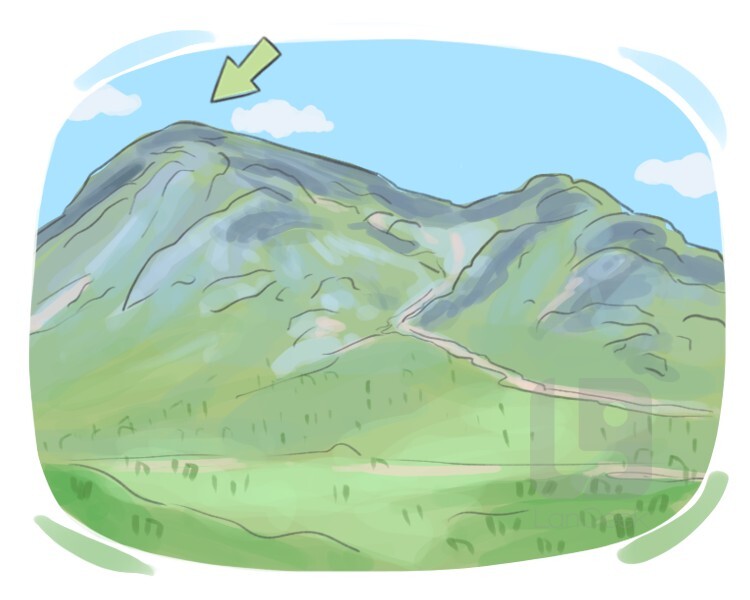
Туристы наконец достигли вершины горы после сложного восхождения.
корона, диадема
Спортсмен носил лавровый венец после победы.
Корона, монархия
Корона выпустила новые правила налогообложения.
выпуклость дорожного полотна, гребень дороги
Вода стекала с дороги от короны к краям.
корона, титул
Победитель получил корону на церемонии.
Птица построила свое гнездо в кроне высокого дуба, в безопасности от хищников.
крона, монета в пять шиллингов
Он нашёл корону среди старых монет на чердаке.
завершение, венчание
Корона собора сверкала на солнце.
LanGeek
Скачайте наше мобильное приложение

Лексическое Дерево

