Keresés
Vålassza ki a szótår nyelvét
Példåk
The plates are on the table.
A tånyérok az asztalon vannak.
Példåk
There 's a gas station on Main Street.
Van egy benzinkĂșt a FĆ utcĂĄn.
Példåk
You 'll find the library on your right.
A könyvtårt a jobb oldaladon talålod.
Példåk
The security camera was angled on the entrance.
A biztonsĂĄgi kamera a bejĂĄrat felĂ© volt irĂĄnyĂtva.
1.4
-on, -en
as a result of accidental physical contact with something
Példåk
She scraped her hand on the wall.
Megkarcolta a kezét a falon.
1.5
-n, -on
used to indicate that something appears as a mark, feature, or covering on a surface
Példåk
He had a scar on his cheek.
ArcĂĄn hege volt.
02
-on, -en
used to indicate something is attached or held by means of something else
Példåk
Keys dangle on a chain.
A kulcsok lĂłgnak egy lĂĄncon.
2.1
-on/-en/-ön, tåmaszkodva
supported by a part of the body
Példåk
She slept on her stomach.
A hasĂĄn fekĂŒdt aludni.
2.2
-on/-en/-ön, fĂŒgg vmitĆl
used to show dependence on something for support, sustenance, or functioning
Példåk
This plant feeds on sunlight.
Ez a növĂ©ny a napfĂ©ny bĆl tĂĄplĂĄlkozik.
03
-n/-on/-en/-ön, -nål/-nél
in the possession of someone
Példåk
She kept a flashlight on her.
Egy zseblĂĄmpĂĄt tartott nĂĄl.
04
-rĂłl, -val kapcsolatban
relating to or about a particular subject
Példåk
We had a debate on climate change.
VitĂĄt folytattunk a klĂmavĂĄltozĂĄsrĂłl.
4.1
-n/-on/-en/-ön, tekintetében
in respect to something
Példåk
Go easy on the salt.
Légy óvatos a sóval.
05
-n, -val
used to show something is caused by or resulted from something
Példåk
She failed on a technicality.
Egy technikai részleten bukott meg.
5.1
-on/-en/-ön, szerint
used to show something is based upon or modeled after something
Példåk
We acted on good advice.
JĂł tanĂĄcs szerint cselekedtĂŒnk.
06
ben, on
used to indicate that something is included as part of a group, category, or set
Példåk
He 's on the committee.
Ć a bizottsĂĄgban van.
07
-on/-en/-ön, ellen
used to indicate the object of an action, attack, effort, or collision
Példåk
She pulled a prank on her classmates during the trip.
Tréfåt Ʊzött osztålytårsaiból az utazås alatt.
7.1
on, felé
used to indicate the focus of feelings, determination, or will toward someone or something
Példåk
She is very keen on hiking during the summer.
Nagyon szeret tĂșrĂĄzni nyĂĄron.
08
-on, -en
used to specify the medium for transmitting, recording, or storing information
Példåk
They recorded the whole concert on tape.
Felvették az egész koncertet szalagra.
8.1
-n, -on
used to indicate being broadcast by a radio or television channel
Példåk
They aired the special documentary on national television.
A speciĂĄlis dokumentumfilmet a nemzeti televĂziĂłban sugĂĄroztĂĄk.
09
-n, -on/-en/-ön
in the course of a journey or while progressing toward a destination
Példåk
On his travels through Asia, he learned three new languages.
Ăzsiai utazĂĄsai sorĂĄn hĂĄrom Ășj nyelvet tanult meg.
9.1
-ban/-ben, -on/-en/-ön
while traveling in a public conveyance
Példåk
We had lunch together on the ferry.
EgyĂŒtt ebĂ©deltĂŒnk a kompon.
10
-on, -en
used to show a day or date
Példåk
The museum opens on May 1st.
A mĂșzeum mĂĄjus 1-jĂ©n nyit.
10.1
-nål/-nél, alatt
at the time of or at the occurrence of an action or event
Példåk
On hearing the news, he burst into tears.
Amikor meghallotta a hĂrt, sĂrva fakadt.
11
-n, -ban
used to express involvement, participation, or engagement in a particular activity or task
Példåk
They 're on a quest for new opportunities.
Ăj lehetĆsĂ©gek nyomĂĄban vannak.
11.1
-on, -ban
used to indicate inclusion within something, such as a list or agenda
Példåk
Is your name on the guest list?
A neved rajta van a vendéglistån?
12
-n, szed
used to indicate regularly taking a drug or medicine
Példåk
She was on blood pressure medication for years.
Ăveken ĂĄt ĂĄllt vĂ©rnyomĂĄscsökkentĆ gyĂłgyszeren.
12.1
alatt, on
under the influence of a drug or intoxicating substance
Példåk
She was acting oddly on prescription meds.
Furcsån viselkedett a vényköteles gyógyszerek hatåsa alatt.
13
-ra/-re, -n/-on/-en/-ön
used to indicate the focus of obligation, blame, or responsibility
Példåk
The success of this project rests on the whole team.
A projekt sikeressĂ©ge az egĂ©sz csapaton mĂșl.
Példåk
He wasted a fortune on gambling.
Vagyonokat pazarolt el a szerencsejåtékra.
14.1
rå, -hoz/-hez/-höz
used to indicate an increase or addition to a particular quantity, amount, or measurement
Példåk
A few extra cents on the electricity bill wo n't matter.
NĂ©hĂĄny plusz fillĂ©r a villanyszĂĄmlĂĄn nem szĂĄmĂt.
Példåk
They encountered setback on setback during the project.
AkkadĂĄly utĂĄn akadĂĄlyba ĂŒtköztek a projekt sorĂĄn.
16
on, val
used to indicate manner of doing something, often followed by "the"
Példåk
Please keep everything on the up-and-up.
Kérem, tartsa mindent a szinten.
Példåk
I contacted her on the phone.
Telefonon keresztĂŒl kerestem fel.
18
-n, szĂĄm
used to say what number to call to contact someone
Példåk
Call me on my office line tomorrow.
HĂvj a munkahelyi szĂĄmomon holnap.
19
-n, -n/-en/-on
used to show that someone is taking time away from regular duties or routines
Példåk
She âs on vacation and will be back next month.
Ć szabadsĂĄgon van Ă©s következĆ hĂłnapban visszatĂ©r.
20
összehasonlĂtva, kĂ©pest
used to make a comparison with someone or something else
Példåk
His performance improved on his last tournament.
TeljesĂtmĂ©nye javult az elĆzĆ tornĂĄjĂĄhoz kĂ©pest.
21
val, on
used to show the number of points a person or team has in a competition
Dialect
British
Példåk
She is on seven points, leading the group.
Ć hĂ©tszeres pontszĂĄmmal vezeti a csoportot.
Példåk
The book is n't quite on; adjust it.
A könyv nincs egĂ©szen rajta; ĂĄllĂtsd be.
02
rajta, felöltözve
in contact with the body and covering it
Példåk
He kept his shoes on during the flight.
A repĂŒlĂ©s alatt rajta hagyta a cipĆjĂ©t.
Példåk
Let's press on despite the weather.
Folytassuk tovĂĄbb az idĆjĂĄrĂĄs ellenĂ©re.
04
folytatni, megĂĄllĂĄs nĂ©lkĂŒl
used to indicate that something continues and does not stop
Példåk
He talked on for hours without pause.
ĂrĂĄkig szĂŒnet nĂ©lkĂŒl beszĂ©lt.
05
bekapcsolva, mƱködik
in a state of operating or functioning, especially of electrical devices or systems
Példåk
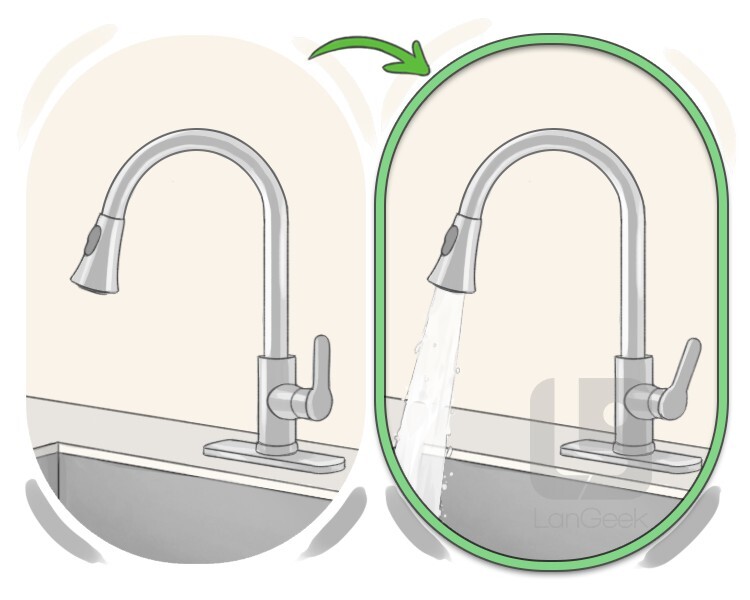
Leave the porch light on.
Hagyd a tornĂĄc vilĂĄgĂtĂĄsĂĄt be kapcsolva.
Példåk
Is the heating on yet?
Mår be van kapcsolva a fƱtés?
Példåk
A national crisis was on at the time.
Egy nemzeti vĂĄlsĂĄg folyamatban volt abban az idĆben.
2.1
tervezett, beosztott
scheduled or planned to happen as intended
Példåk
Is the dinner still on?
A vacsora tovĂĄbbra is tervezett?
2.2
mƱsoron, adåsban
being presented or being broadcast, especially referring to events or performances
Példåk
The big match is on later today.
A nagy meccs ma kĂ©sĆbb kerĂŒl adĂĄsba.
03
Ă©lĆben, adĂĄsban
(of a performer, etc.) performing, broadcasting, or about to perform or broadcast
Példåk
She was on when I switched the TV over.
Adåsban volt, amikor bekapcsoltam a tévét.
3.1
szolgĂĄlatban, aktĂv
actively engaged in duties, particularly in jobs requiring performance or responsiveness
Példåk
The doctor is on tonight.
Az orosz ma este szolgĂĄlatban van.
Informal
Példåk
He's on for dinner tomorrow night!
Ć kĂ©sz a holnapi vacsorĂĄra!
05
felöltözött, felhelyezett
fitted onto something or being worn
Példåk
The cap was still on the bottle.
A kupak még mindig a palack tetején volt.
06
megvalĂłsĂthatĂł, elvĂ©gezhetĆ
feasible, achievable, or capable of being done successfully
Példåk
Playing two matches back-to-back is n't on.
Két meccset egymås utån jåtszani nem lehetséges.
07
elfogadhatĂł, megfelelĆ
acceptable, proper, or reasonable, typically used negatively
Dialect
British
Informal
Példåk
It's just not on to treat people like that.
EgyszerƱen nem helyes Ăgy bĂĄnni az emberekkel.