lose
lose
lu:z
looz
/luːz/

A(z) „lose” jelentĂ©se Ă©s meghatĂĄrozĂĄsa angolul

to lose
01

elveszĂ­t, megfosztva lenni

to be deprived of or stop having someone or something
Transitive: to lose sth
to lose definition and meaning
Példåk
The town lost power during the blackout.
A vĂĄros elvesztette az ĂĄramot a blackout alatt.
1.1

elveszĂ­t, elveszĂ­ttet

to fail or cause someone to fail to get someone or something
Ditransitive: to lose sb sth
Példåk
His overconfidence could lose him the election.
Az önbizalomtĂșltengĂ©se miatt elveszĂ­theti a vĂĄlasztĂĄst.
1.2

elveszĂ­t, pazarol

to waste or fail to have good use of time or an opportunity
Transitive: to lose time or opportunity
Példåk
She lost valuable hours waiting for the delayed flight.
ÉrtĂ©kes ĂłrĂĄkat veszĂ­tett el a kĂ©sƑ jĂĄratra vĂĄrva.
1.3

veszít, csökkent

to experience a reduction or decrease in the quantity or amount of something
Transitive: to lose sth
Példåk
She 's been following a strict diet and exercise routine to lose weight.
SzigorĂș diĂ©tĂĄt Ă©s edzĂ©srutint követ, hogy fogyjon.
02

elveszĂ­t, elvesz

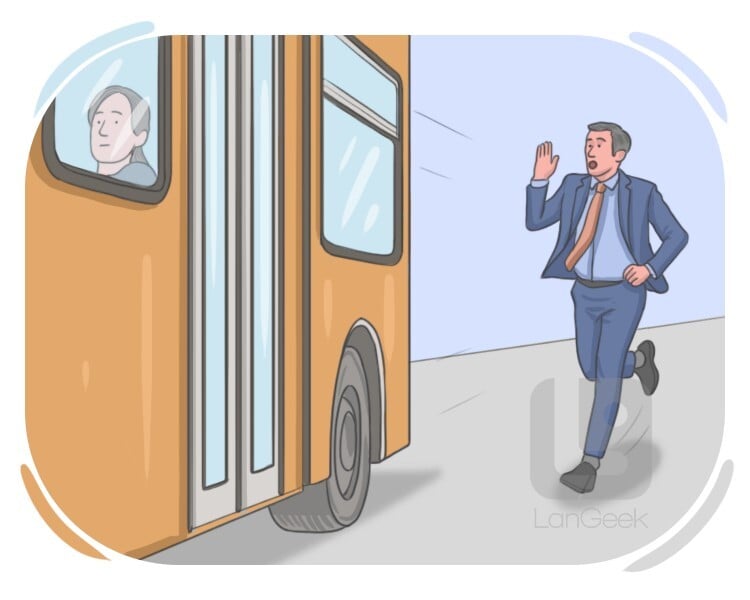
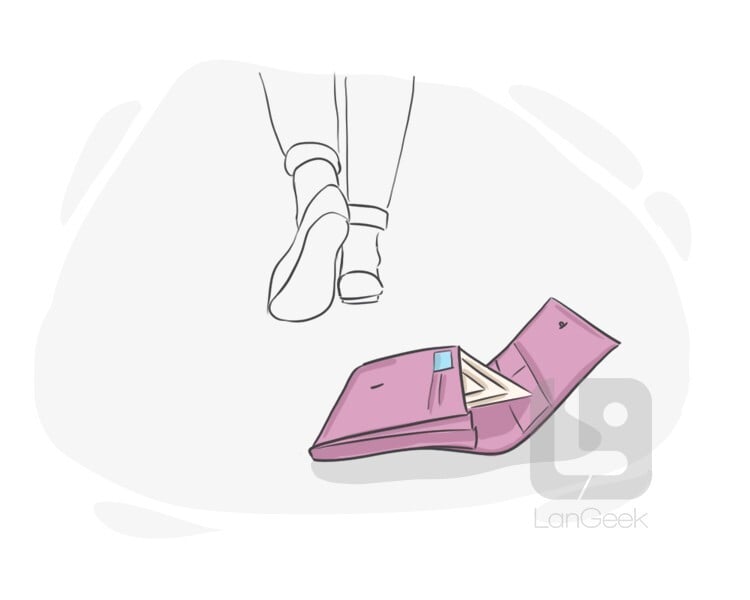
to not know the location of a thing or person and be unable to find it
Transitive: to lose sb/sth
to lose definition and meaning
Példåk
She lost her wallet on the way home from work.
Elvesztette a pénztårcåjåt munkåból hazafelé.
2.1

elveszni, elmerĂŒlni

to become so immersed in one's thoughts, fantasies, or imagination that one temporarily disconnects from the present reality
Transitive: to lose oneself in sth
Példåk
As the waves crashed on the shore, she lost herself in thoughts of a distant paradise.
Ahogy a hullámok a parton csapódtak, Ƒ elveszett egy távoli paradicsom gondolataiban.
2.2

megszökik, megszabadul

to escape from or get rid of someone or something
Transitive: to lose sb
Példåk
We need to lose that annoying guy at the party.
Meg kell szabadulnunk attól a idegesítƑ fickótól a partin.
2.3

elveszít, nem ért

to fail to understand, hear, or see
Transitive: to lose sth
Példåk
I lost sight of the ball in the bright sun.
Elvesztettem a labdåt a napfényben.
2.4

elveszít, összezavar

to cause someone to become confused and be no longer able to understand or follow an explanation or argument
Transitive: to lose sb
Példåk
She delved into complex theories, and she lost me after a few sentences.
Belemélyedt az összetett elméletekbe, és néhåny mondat utån elvesztett.
2.5

elveszít, eltéved

to become directionally confused or disoriented, or unable to find one's intended path, direction, or location
Transitive: to lose one's way
Példåk
The thick fog made it easy to lose our bearings while hiking.
A sƱrƱ köd könnyƱvĂ© tette, hogy elveszĂ­tsĂŒk az irĂĄnytunkat a tĂșrĂĄzĂĄs közben.
2.6

téved, eltér

to deviate or stray from a particular belief or ideology one once followed
Transitive: to lose one's ideological path
Példåk
She used to be a dedicated environmentalist, but she has lost her way in recent years.
Egykor elkötelezett környezetvĂ©dƑ volt, de az utĂłbbi Ă©vekben elvesztette az ĂștjĂĄt.
03

veszĂ­t, kudarcot vall

to not win in a race, fight, game, etc.
Intransitive: to lose to an opponent
Transitive: to lose a competition
to lose definition and meaning
Példåk
They lost the soccer game in overtime.
Elvesztették a focimeccet hosszabbítåsban.
3.1

veszíteni okoz, a gyƑzelmet elveszíteni

to cause someone to not win in a race, fight, game, etc.
Ditransitive: to lose sb a competition
Transitive: to lose a competition for sb
Példåk
The coach 's poor strategy lost us the championship.
Az edzƑ gyenge stratĂ©giĂĄja miatt elveszĂ­tettĂŒk a bajnoksĂĄgot.
04

elveszĂ­t, megfosztatik

to be deprived of someone because they are no longer alive
Transitive: to lose sb
Példåk
They lost their daughter in a tragic accident.
Elvesztették lånyukat egy tragikus balesetben.
4.1

elveszít, vetél

(of a pregnant person) to suffer the loss of a baby through miscarriage or during childbirth
Transitive: to lose a baby
Példåk
The couple grieved deeply when they lost their child to a miscarriage.
A pĂĄr mĂ©lyen gyĂĄszolt, amikor elvesztettĂ©k gyermekĂŒket egy vetĂ©lĂ©s miatt.
4.2

elveszĂ­t, elhalĂĄlozik

to suffer death or to pass away
Transitive: to lose one's life
Példåk
Many soldiers lost their lives during the war.
Sok katona vesztette Ă©letĂ©t a hĂĄborĂș alatt.
05

veszít, veszteséges

to earn less than one's expenditure, especially in business
Transitive: to lose money
Példåk
The hotel is losing money due to low occupancy rates.
A szålloda pénzt veszít az alacsony kihasznåltsågi arånyok miatt.
06

eltĂĄvolĂ­t, kihagy

to remove a particular part or feature of something that is considered unnecessary or unwanted
Transitive: to lose a part of something
Példåk
You can lose the extra details in the report to keep it focused on the main points.
El lehet tĂĄvolĂ­tani a felesleges rĂ©szleteket a jelentĂ©sbƑl, hogy a fƑbb pontokra összpontosĂ­tson.
07

lemarad, idƑt veszít

(of clocks or watches) to operate slower than what is normal and to show time behind the correct time
Transitive: to lose time
Példåk
This timer is reliable; it wo n't lose a second.
Ez az idƑzítƑ megbízható; nem veszít el egy másodpercet sem.
LanGeek
Alkalmazås Letöltése
langeek application

Download Mobile App

App Store