āĻ āύā§āϏāύā§āϧāĻžāύ āĻāϰā§āύ
āĻ āĻāĻŋāϧāĻžāύā§āϰ āĻāĻžāώāĻž āύāĻŋāϰā§āĻŦāĻžāĻāύ āĻāϰā§āύ
āĻāĻĒāύāĻžāϰ āĻāĻžāώāĻž āύāĻŋāϰā§āĻŦāĻžāĻāύ āĻāϰā§āύ
The past
āĻāĻĻāĻžāĻšāϰāĻŖ
In the past, people traveled by horse-drawn carriages.
āĻ
āϤā§āϤ⧠āĻŽāĻžāύā§āώ āĻā§āĻĄāĻŧāĻžāϰ āĻāĻžāĻĄāĻŧāĻŋāϤ⧠āĻā§āϰāĻŽāĻŖ āĻāϰāϤāĨ¤
1.1
āĻ āϤā§āϤ, āĻ āϤā§āϤ āĻāĻžāϞ
(grammar) the past tense or form of a verb, indicating actions or states that occurred in a previous time
āĻāĻĻāĻžāĻšāϰāĻŖ
In English, regular verbs form their past by adding " -ed " to the base form.
āĻāĻāϰā§āĻāĻŋāϤā§, āύāĻŋāϝāĻŧāĻŽāĻŋāϤ āĻā§āϰāĻŋāϝāĻŧāĻžāĻā§āϞāĻŋ āϤāĻžāĻĻā§āϰ āĻ
āϤā§āϤ āĻāĻ āύ āĻāϰ⧠āĻŽā§āϞ āĻĢāϰā§āĻŽā§ "-ed" āϝā§āĻ āĻāϰā§āĨ¤
1.2
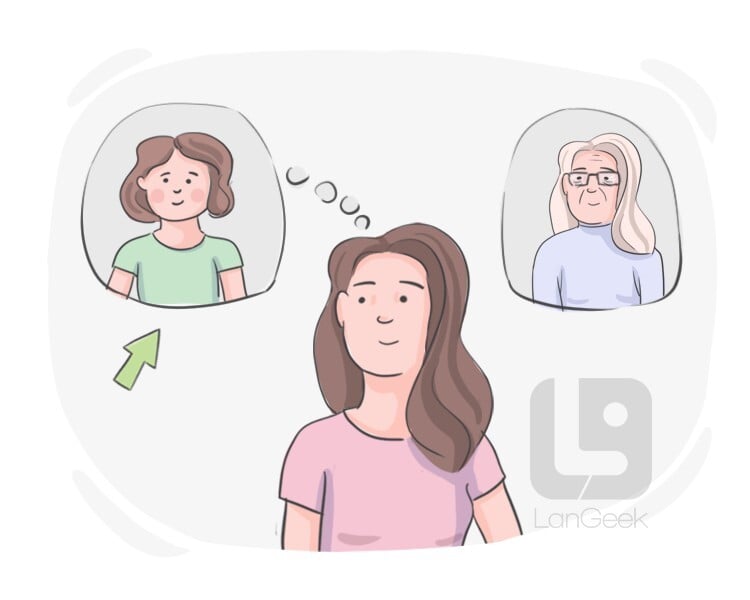
āĻ āϤā§āϤ, āĻāϤāĻŋāĻšāĻžāϏ
a period in a person's history that is viewed as shameful or problematic, often suggesting hidden or regrettable events or actions
āĻāĻĻāĻžāĻšāϰāĻŖ
She tried to move on, but her past continued to haunt her in unexpected ways.
āϏ⧠āĻāĻāĻŋāϝāĻŧā§ āϝāĻžāĻāϝāĻŧāĻžāϰ āĻā§āώā§āĻāĻž āĻāϰā§āĻāĻŋāϞ, āĻāĻŋāύā§āϤ⧠āϤāĻžāϰ āĻ
āϤā§āϤ āĻ
āĻĒā§āϰāϤā§āϝāĻžāĻļāĻŋāϤ āĻāĻĒāĻžāϝāĻŧā§ āϤāĻžāĻā§ āϤāĻžā§āĻž āĻāϰ⧠āĻŦā§ā§āĻžāϤ⧠āĻĨāĻžāĻāϞāĨ¤
1.3
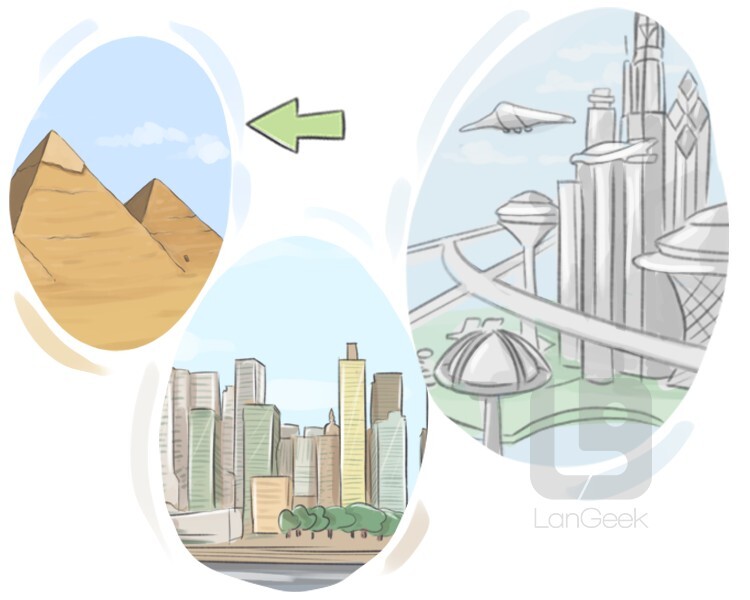
āĻ āϤā§āϤ, āĻāϤāĻŋāĻšāĻžāϏ
the historical background of a place, country, group, or other entities, encompassing the events and experiences that have shaped their development over time
āĻāĻĻāĻžāĻšāϰāĻŖ
The museum exhibits artifacts that tell the past of the indigenous people of the region.
āĻāĻžāĻĻā§āĻāϰāĻāĻŋ āĻāĻŽāύ āύāĻŋāĻĻāϰā§āĻļāύ āĻĒā§āϰāĻĻāϰā§āĻļāύ āĻāϰ⧠āϝāĻž āĻ
āĻā§āĻāϞā§āϰ āĻāĻĻāĻŋāĻŦāĻžāϏ⧠āĻŽāĻžāύā§āώā§āϰ āĻ
āϤā§āϤ āĻŦāϰā§āĻŖāύāĻž āĻāϰā§āĨ¤
āĻāĻĻāĻžāĻšāϰāĻŖ
Past mistakes served as valuable lessons for future decision-making.
āĻ
āϤā§āϤā§āϰ āĻā§āϞāĻā§āϞāĻŋ āĻāĻŦāĻŋāώā§āϝāϤā§āϰ āϏāĻŋāĻĻā§āϧāĻžāύā§āϤ āĻā§āϰāĻšāĻŖā§āϰ āĻāύā§āϝ āĻŽā§āϞā§āϝāĻŦāĻžāύ āĻĒāĻžāĻ āĻšāĻŋāϏāĻžāĻŦā§ āĻāĻžāĻ āĻāϰā§āĻā§āĨ¤
āĻāĻĻāĻžāĻšāϰāĻŖ
The past month has been filled with exciting developments at the office.
āĻāϤ āĻŽāĻžāϏ āĻ
āĻĢāĻŋāϏ⧠āĻāϤā§āϤā§āĻāύāĻžāĻĒā§āϰā§āĻŖ āĻāύā§āύāϝāĻŧāύ āĻĒā§āϰā§āĻŖ āĻāĻŋāϞāĨ¤
āĻāĻĻāĻžāĻšāϰāĻŖ
The building was constructed 50 years past, but it still stands strong today.
āĻāĻŦāύāĻāĻŋ 50 āĻŦāĻāϰ āĻāĻā§ āύāĻŋāϰā§āĻŽāĻŋāϤ āĻšāϝāĻŧā§āĻāĻŋāϞ, āĻāĻŋāύā§āϤ⧠āĻāĻāĻŋ āĻāĻāĻ āĻĻā§āĻĸāĻŧāĻāĻžāĻŦā§ āĻĻāĻžāĻāĻĄāĻŧāĻŋāϝāĻŧā§ āĻāĻā§āĨ¤
āĻāĻĻāĻžāĻšāϰāĻŖ
The difficult times are past, and we can finally focus on the future.
āĻāĻ āĻŋāύ āϏāĻŽāϝāĻŧ āĻāϤ āĻšāϝāĻŧā§āĻā§, āĻāĻŦāĻ āĻāĻŽāϰāĻž āĻ
āĻŦāĻļā§āώ⧠āĻāĻŦāĻŋāώā§āϝāϤ⧠āĻĢā§āĻāĻžāϏ āĻāϰāϤ⧠āĻĒāĻžāϰāĻŋāĨ¤
āĻāĻĻāĻžāĻšāϰāĻŖ
Past champions were invited to the ceremony to celebrate the tournament's history.
āĻā§āϰā§āύāĻžāĻŽā§āύā§āĻā§āϰ āĻāϤāĻŋāĻšāĻžāϏ āĻāĻĻāϝāĻžāĻĒāύ āĻāϰāϤ⧠āĻ
āύā§āώā§āĻ āĻžāύ⧠āĻ
āϤā§āϤā§āϰ āĻā§āϝāĻžāĻŽā§āĻĒāĻŋāϝāĻŧāύāĻĻā§āϰ āĻāĻŽāύā§āϤā§āϰāĻŖ āĻāĻžāύāĻžāύ⧠āĻšāϝāĻŧā§āĻāĻŋāϞāĨ¤
06
āĻ āϤā§āϤ, āĻāϤ
(grammar) referring to tense that indicates an action that has already occurred or a state that previously existed
āĻāĻĻāĻžāĻšāϰāĻŖ
She used the past tense to describe her trip to the mountains last summer.
āĻāϤ āĻā§āϰā§āώā§āĻŽā§ āĻĒāĻžāĻšāĻžāĻĄāĻŧā§ āϤāĻžāϰ āĻā§āϰāĻŽāĻŖ āĻŦāϰā§āĻŖāύāĻž āĻāϰāϤ⧠āϤāĻŋāύāĻŋ āĻ
āϤā§āϤ āĻāĻžāϞ āĻŦā§āϝāĻŦāĻšāĻžāϰ āĻāϰā§āĻāĻŋāϞā§āύāĨ¤
āĻāĻĻāĻžāĻšāϰāĻŖ
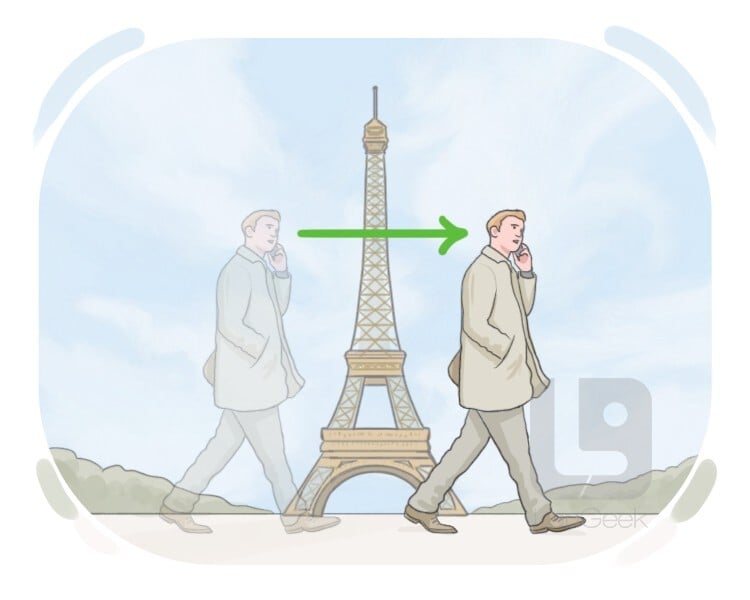
The train sped past the small villages along the route.
āĻā§āϰā§āύāĻāĻŋ āϰā§āĻā§āϰ āĻā§āĻ āĻā§āϰāĻžāĻŽāĻā§āϞāĻŋāϰ āĻĒāĻžāĻļ āĻĻāĻŋāϝāĻŧā§ āĻĻā§āϰā§āϤ āĻāϞ⧠āĻā§āϞāĨ¤
02
āĻāϤāĻŋāĻŽāϧā§āϝā§, āĻĒā§āϰā§āĻŦā§
used to indicate that a particular time has already gone by
āĻāĻĻāĻžāĻšāϰāĻŖ
The deadline slipped past without anyone noticing.
āĻļā§āώ āϤāĻžāϰāĻŋāĻ āĻā§āĻ āύāĻž āĻĻā§āĻā§ āĻāϤ āĻšāϝāĻŧā§ āĻā§āĻā§āĨ¤
01
āĻĒāϰā§, āĻāϰ āĻŦāĻžāĻāϰā§
used to indicate a point in time that is beyond or later than a specified moment
āĻāĻĻāĻžāĻšāϰāĻŖ
She arrived at a quarter past two, just as promised.
āϤāĻŋāύāĻŋ āĻĻā§āĻāĻāĻž āĻĒāύā§āϰ⧠āĻŽāĻŋāύāĻŋāĻā§ āĻĒā§āĻāĻā§āĻā§āύ, āĻ āĻŋāĻ āϝā§āĻŽāύ āĻĒā§āϰāϤāĻŋāĻļā§āϰā§āϤāĻŋ āĻĻāĻŋāϝāĻŧā§āĻāĻŋāϞā§āύāĨ¤
02
āĻĒāĻžāϰ āĻšāϝāĻŧā§, āĻ āϤāĻŋāĻā§āϰāĻŽ āĻāϰā§
used to indicate movement in a direction beyond or to the other side of someone or something
āĻāĻĻāĻžāĻšāϰāĻŖ
They ran past the crowd and reached the front of the stage.
āϤāĻžāϰāĻž āĻāĻŋāĻĄāĻŧ āĻĒāĻžāϰ āĻšāϝāĻŧā§ āĻĻā§āĻĄāĻŧā§ āĻŽāĻā§āĻā§āϰ āϏāĻžāĻŽāύ⧠āĻĒā§āĻāĻā§āĻā§āĨ¤
03
āĻ āϤā§āϤ, āĻĒāϰā§
used to indicate a point or stage that has been surpassed or exceeded
āĻāĻĻāĻžāĻšāϰāĻŖ
She pushed herself past her physical limits to complete the marathon.
āĻŽā§āϝāĻžāϰāĻžāĻĨāύ āϏāĻŽā§āĻĒā§āϰā§āĻŖ āĻāϰāϤ⧠āϤāĻŋāύāĻŋ āϤāĻžāϰ āĻļāĻžāϰā§āϰāĻŋāĻ āϏā§āĻŽāĻž āĻ
āϤāĻŋāĻā§āϰāĻŽ āĻāϰ⧠āύāĻŋāĻā§āĻā§ āĻ ā§āϞ⧠āĻĻāĻŋāϝāĻŧā§āĻāĻŋāϞā§āύāĨ¤