past
past
pĂŠst
pāst
/pɑːst/

A(z) „past” jelentĂ©se Ă©s meghatĂĄrozĂĄsa angolul

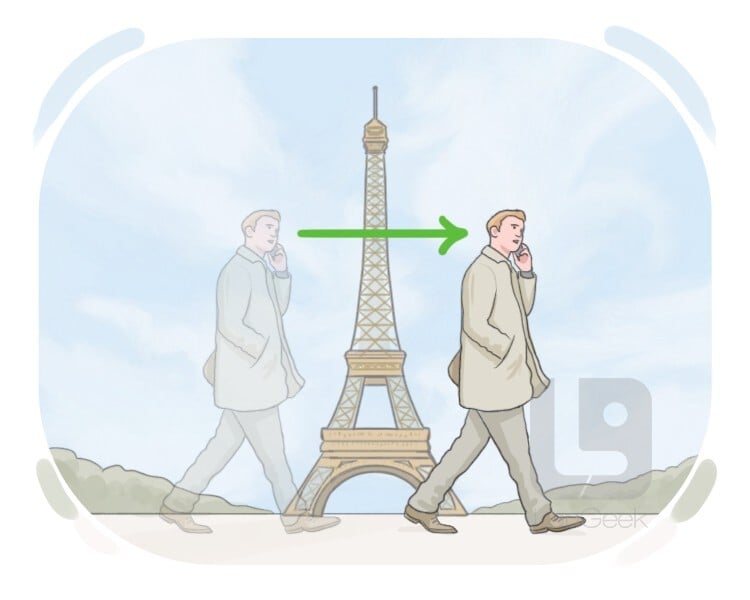
The past
01

mĂșlt, elmĂșlt idƑ

the time that has passed
the past definition and meaning
Példåk
In the past, people traveled by horse-drawn carriages.
A mĂșltban az emberek lovaskocsival utaztak.
1.1

mĂșlt idƑ, mĂșlt

(grammar) the past tense or form of a verb, indicating actions or states that occurred in a previous time
Példåk
In English, regular verbs form their past by adding " -ed " to the base form.
Az angolban a szabĂĄlyos igĂ©k a mĂșlt idejƱ alakjukat Ășgy kĂ©pezik, hogy "-ed"-et adnak az alapalakhoz.
1.2

mĂșlt, törtĂ©nelem

a period in a person's history that is viewed as shameful or problematic, often suggesting hidden or regrettable events or actions
Példåk
She tried to move on, but her past continued to haunt her in unexpected ways.
PrĂłbĂĄlt tovĂĄbblĂ©pni, de a mĂșltja vĂĄratlan mĂłdon tovĂĄbbra is kĂ­sĂ©rtette.
1.3

mĂșlt, törtĂ©nelem

the historical background of a place, country, group, or other entities, encompassing the events and experiences that have shaped their development over time
Példåk
The museum exhibits artifacts that tell the past of the indigenous people of the region.
A mĂșzeum olyan leleteket ĂĄllĂ­t ki, amelyek a rĂ©giĂł bennszĂŒlött nĂ©pĂ©nek mĂșltjĂĄt mesĂ©lik el.
01

mĂșlt, korĂĄbbi

done or existed before the present time
past definition and meaning
Példåk
The past events of the company shaped its current policies and strategies.
A vĂĄllalat mĂșltbeli esemĂ©nyei alakĂ­tottĂĄk jelenlegi irĂĄnyelveit Ă©s stratĂ©giĂĄit.
02

mĂșlt, utolsĂł

occurred or ended recently, often within a specific, near timeframe
Példåk
The past month has been filled with exciting developments at the office.
Az elƑzƑ hĂłnap izgalmas fejlemĂ©nyekkel teli volt az irodĂĄban.
03

mĂșlt, eltelt

used to indicate how many years or time units have elapsed
Példåk
The building was constructed 50 years past, but it still stands strong today.
Az Ă©pĂŒlet 50 Ă©vvel ezelƑtt Ă©pĂŒlt, de ma is erƑsen ĂĄll.
04

mĂșlt, vĂ©get Ă©rt

no longer present or existing
Példåk
With the crisis past, the community began to rebuild.
A vĂĄlsĂĄg mĂșltĂĄval a közössĂ©g elkezdett ĂșjjĂĄĂ©pĂ­teni.
05

korábbi, elƑzƑ

(of a person) having previously held a specified position or title within an organization
Példåk
Past champions were invited to the ceremony to celebrate the tournament's history.
A korĂĄbbi bajnokokat meghĂ­vtĂĄk az ĂŒnnepsĂ©gre, hogy ĂŒnnepeljĂ©k a torna törtĂ©netĂ©t.
06

mĂșlt, korĂĄbbi

(grammar) referring to tense that indicates an action that has already occurred or a state that previously existed
Példåk
She used the past tense to describe her trip to the mountains last summer.
A mĂșlt idƑt hasznĂĄlta, hogy leĂ­rja a tavaly nyĂĄri hegyi ĂștjĂĄt.
01

mellett, elhaladva

from one side of something to the other
past definition and meaning
Példåk
The train sped past the small villages along the route.
A vonat gyorsan elhaladt az Ăștvonal menti kis falvak mellett.
02

mĂĄr, korĂĄbban

used to indicate that a particular time has already gone by
Példåk
The deadline slipped past without anyone noticing.
A hatĂĄridƑ elmĂșlt mĂșlt anĂ©lkĂŒl, hogy bĂĄrki is Ă©szrevette volna.
01

mĂșlva, tĂșl

used to indicate a point in time that is beyond or later than a specified moment
Példåk
She arrived at a quarter past two, just as promised.
NĂ©gy perccel mĂșlt kettƑkor Ă©rkezett, ahogy Ă­gĂ©rte.
02

mellett, tĂșl

used to indicate movement in a direction beyond or to the other side of someone or something
Példåk
They ran past the crowd and reached the front of the stage.
Elfutottak a tömeg mellett, és elérték a színpad elejét.
03

tĂșl, utĂĄn

used to indicate a point or stage that has been surpassed or exceeded
Példåk
She pushed herself past her physical limits to complete the marathon.
TĂșllendĂ­tette magĂĄt a fizikai hatĂĄrain, hogy befejezze a maratont.
LanGeek
Alkalmazås Letöltése
langeek application

Download Mobile App

App Store