






























The past
文法情報
有生性の状態
抽象的
形態的構成
単純語
不可算
singular
not gender specific
例
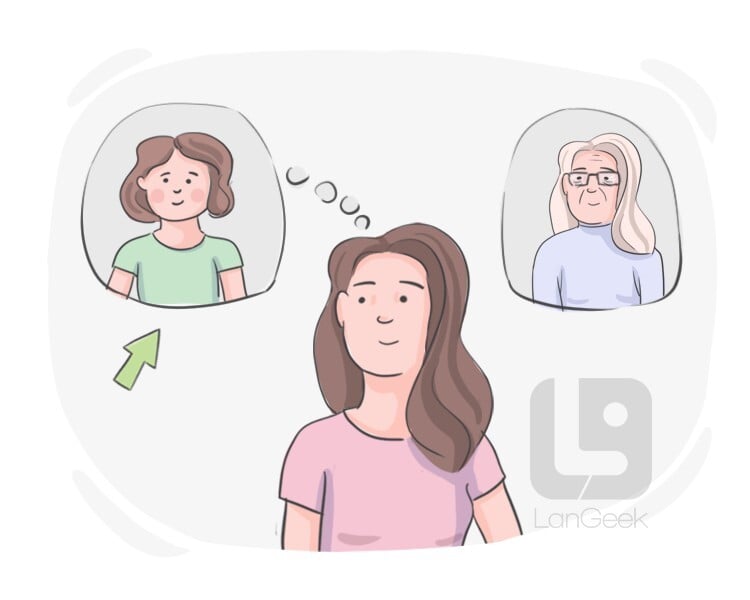
I learned a lot from the mistakes I made in the past.
私は過去に犯した過ちから多くを学びました。
1.1
過去形, 過去
(grammar) the past tense or form of a verb, indicating actions or states that occurred in a previous time
例
The word "walked" is the past of the verb "walk."
「walked」という単語は、「walk」という動詞の過去形です。
1.2
過去, 経歴
a period in a person's history that is viewed as shameful or problematic, often suggesting hidden or regrettable events or actions
例
Despite his friendly demeanor, whispers about his past made some people wary of him.
彼の友好的な態度にもかかわらず、彼の過去についての囁きは、一部の人々に彼を警戒させた。
1.3
過去, 歴史
the historical background of a place, country, group, or other entities, encompassing the events and experiences that have shaped their development over time
例
The ancient ruins offer a glimpse into the past of the once-great civilization.
古代遺跡は、かつて偉大だった文明の過去を垣間見せてくれます。
past
文法情報
形態的構成
単純語
関係形容詞
程度表現不可
分野
time, history, experience
例
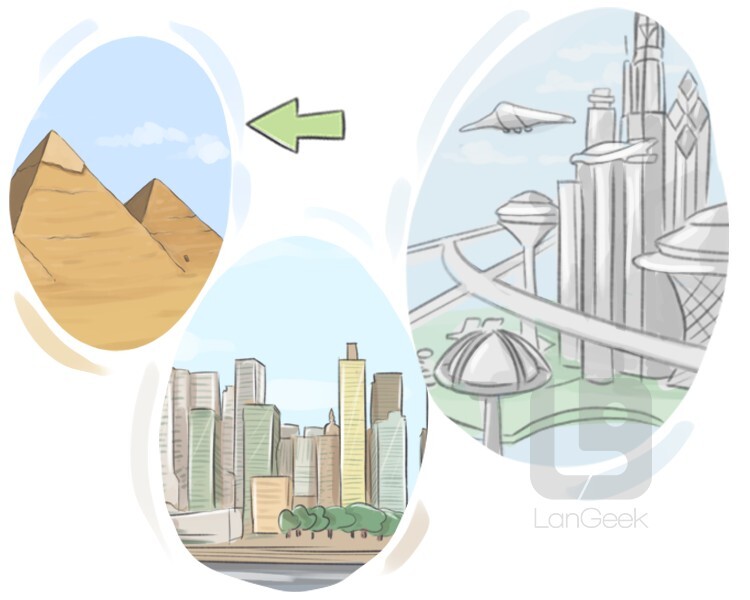
Her past experiences shaped her perspective on life.
彼女の過去の経験が、人生に対する彼女の見方を形作った。
例
I've met with the client several times over the past week to finalize the project details.
私はプロジェクトの詳細を最終決定するために、先週クライアントと数回会いました。
例
He graduated from college 12 years past and has since built a successful career.
彼は12年前に大学を卒業し、それ以来、成功したキャリアを築いてきました。
例
The storm has passed, and the danger is now past.
嵐は過ぎ去り、危険は今や 過ぎ去った。
例
The past president of the club was honored for her years of service.
クラブの元会長は、長年の奉仕を称えられました。
06
過去, 過去の
(grammar) referring to tense that indicates an action that has already occurred or a state that previously existed
例
The past tense of "go" is "went," indicating the action has already happened.
"go"の過去形は"went"で、行動がすでに起こったことを示しています。
past
文法情報
比較不可
例
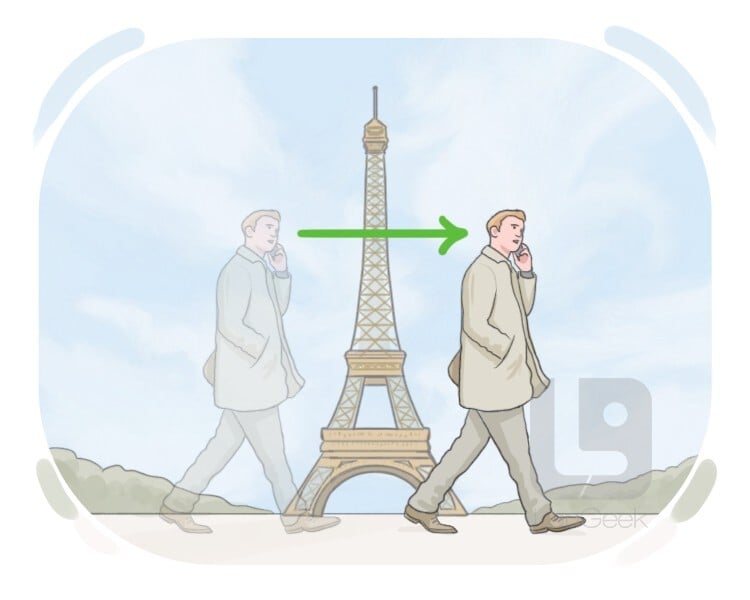
The students walked past the library on their way to class.
学生たちは授業に行く途中で図書館の前を通り過ぎた。
02
すでに, 以前に
used to indicate that a particular time has already gone by
例
Three hours went past before they finally arrived at their destination.
彼らがようやく目的地に到着する前に3時間が過ぎた。
past
文法情報
例
It's already half past eleven; we missed the deadline.
もう11時半です; 私たちは締め切りを逃しました。
02
を過ぎて, の向こうに
used to indicate movement in a direction beyond or to the other side of someone or something
例
She walked past the house and continued down the street.
彼女は家の前を通り過ぎ、通りを進み続けた。
例
He ate past his usual portion and felt uncomfortably full.
彼はいつもの量を超えて食べ、不快なほど満腹になった。


