



























영어로 "on"의 정의와 의미
in contact with and upheld by a surface
atop
on top of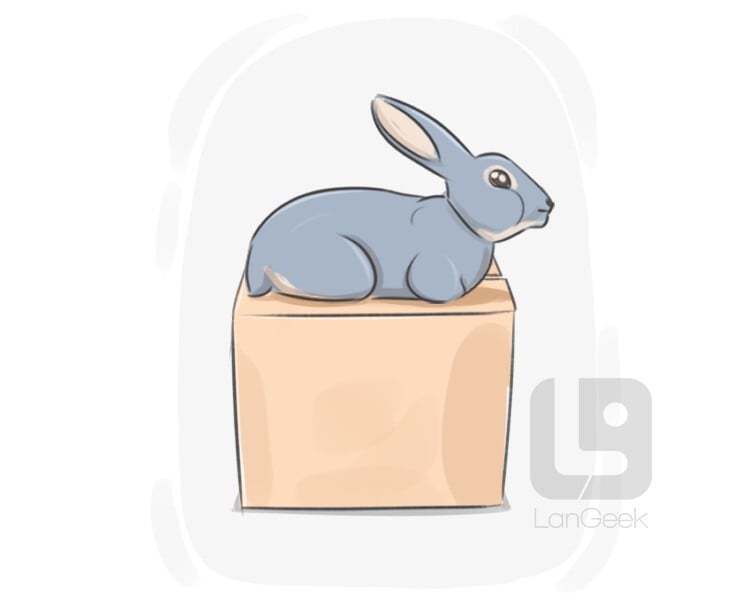
영어 "on"은 이 의미로 어떻게 사용하나요?
영어에서 "on"은 이 의미로 어떤 것이 표면에 직접 닿아 있고 그 표면이 그것을 받치고 있음을 나타냅니다. "On the table", "on the floor", "on the wall", "on the bed", "on the shelf", "on the ground" 같은 표현이 흔합니다. "Above"와 달리 on은 직접적인 접촉을 나타냅니다.
used to indicate something is attached or held by means of something else
in the possession of someone
relating to or about a particular subject
used to show something is caused by or resulted from something
used to indicate that something is included as part of a group, category, or set
used to indicate the object of an action, attack, effort, or collision
used to specify the medium for transmitting, recording, or storing information
in the course of a journey or while progressing toward a destination
used to show a day or date
used to express involvement, participation, or engagement in a particular activity or task
used to indicate regularly taking a drug or medicine
used to indicate the focus of obligation, blame, or responsibility
used to show something for which a payment is made
used to indicate reduplication or succession in a series
used to indicate manner of doing something, often followed by "the"
used to say what number to call to contact someone
 British
used to make a comparison with someone or something else
used to show the number of points a person or team has in a competition
Britishin a position resting atop or supported by something
in contact with the body and covering it
used to indicate that an action or activity continues without stopping
in or into a state of operation or activity, especially of an electrical device
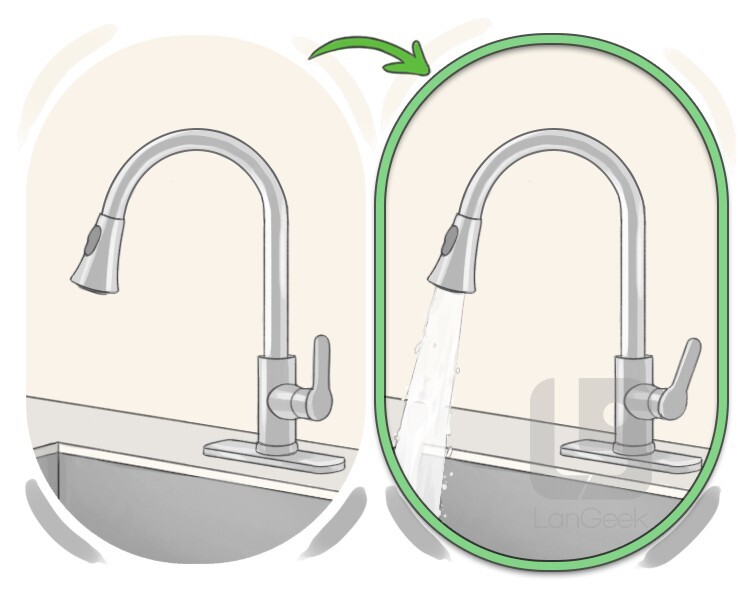
currently happening or ongoing
(of a performer, etc.) performing, broadcasting, or about to perform or broadcast
expressing agreement to or acceptance of a challenge
fitted onto something or being worn
feasible, achievable, or capable of being done successfully
Britishacceptable, proper, or reasonable, typically used negatively
British