

Keresés
Válassza ki a szótár nyelvét





























faint
01
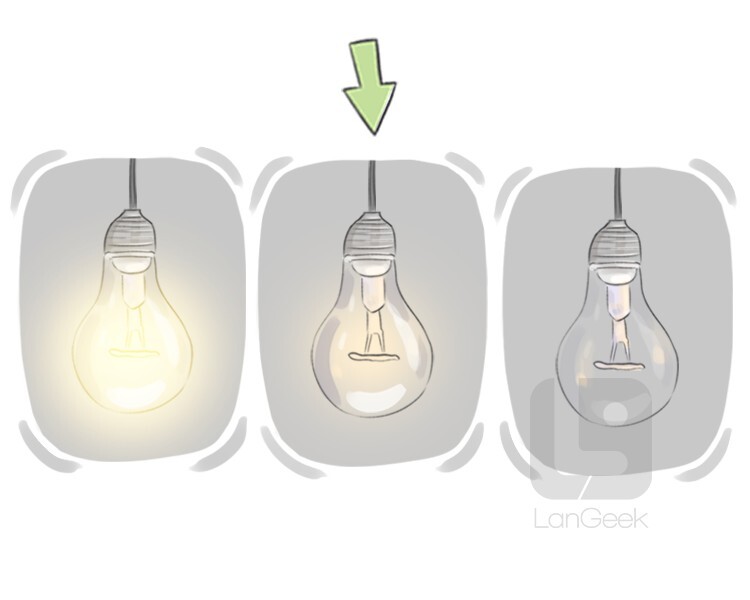
gyenge, enyhe
barely noticeable or weak in intensity
Példák
He felt a faint sense of unease as he entered the dark room.
Halvány nyugtalanságot érzett, amikor belépett a sötét szobába.
nyelvtani információk
morfológiai összetétel
egyszerű
minőségi
felsőfok
faintest
középfok
fainter
fokozható
témakör
perception, intensity, sensation
Példák
The faint sound of music could be heard from the distant house.
A zene halvány hangja hallatszott a távoli házból.
03
gyenge, bátortalan
performed or done weakly or with little energy
Példák
She offered only faint praise for his efforts, indicating a lack of enthusiasm or conviction.
Csak gyenge dicséretet nyújtott az erőfeszítéseiért, ami lelkesedés vagy meggyőződés hiányát jelzi.
Példák
The heat made him dizzy, and he started to feel faint.
A meleg szédítette, és elkezdett ájulásra érezni.
05
félénk, tétovázó
easily intimidated or hesitant
Példák
The faint approach to the negotiations showed his reluctance to take a firm stance.
A tárgyalások félénk megközelítése mutatta vonakodását a határozott álláspont felvételétől.
to faint
01
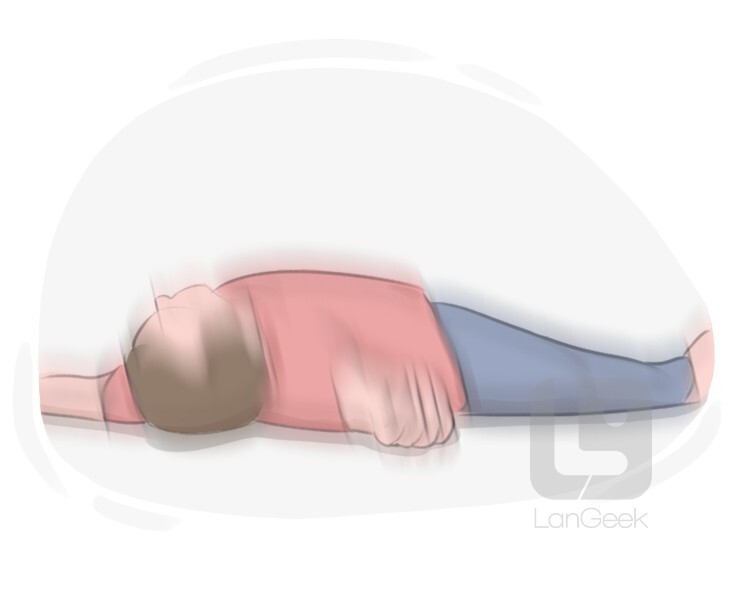
elveszíti az eszméletét, ájul
to suddenly lose consciousness from a lack of oxygen in the brain, which is caused by a shock, etc.
Intransitive
nyelvtani információk
morfológiai összetétel
egyszerű
cselekvést jelentő ige
szabályos
jelen idő
faint
egyes szám 3. személy
faints
folyamatos melléknévi igenév
fainting
egyszerű múlt
fainted
befejezett melléknévi igenév
fainted
Példák
Witnessing the accident made her faint, and she collapsed on the spot.
A baleset tanújaként elájult, és összeesett a helyszínen.
Példák
As the sun set, the colors of the sky began to faint into darkness.
Ahogy a nap lenyugodott, az ég színei kezdtek halványulni a sötétségbe.
Példák
He began to faint in the face of overwhelming challenges.
Megkezdte tétovázni a túlnyomó kihívások láttán.
Faint
01
ájulás, szinkópa
a brief loss of consciousness caused by a temporary drop in blood flow to the brain
nyelvtani információk
élőségi állapot
elvont
morfológiai összetétel
egyszerű
megszámlálható
singular
not gender specific
többes számú alak
faints
Példák
The sight of blood overwhelmed him, and he fell into a faint on the hospital floor.
A vér látványa elárasztotta, és ájultan esett össze a kórház padlóján.
LanGeek
Töltse le mobilalkalmazásunkat

Lexikai Fa
faintly
faintness
faint

