






























faint
01
微弱的, 轻微的
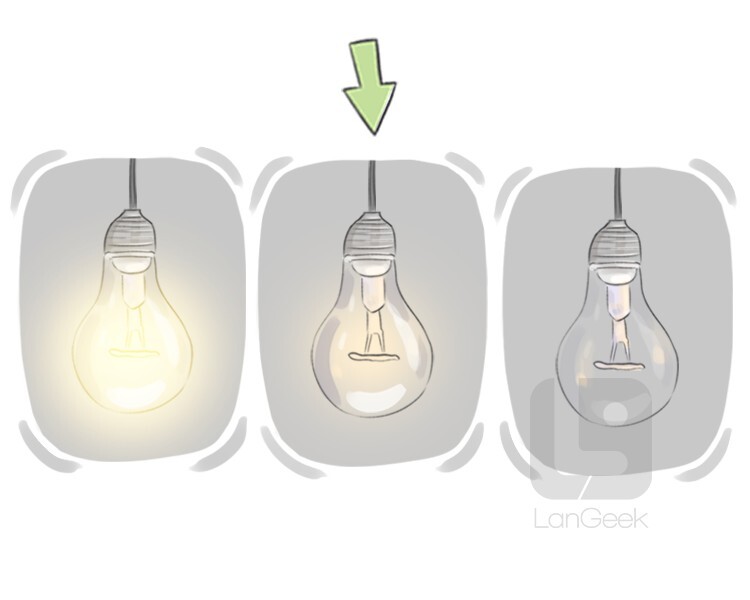
barely noticeable or weak in intensity
例子
He felt a faint sense of unease as he entered the dark room.
当他走进黑暗的房间时,他感到一种微弱的不安感。
语法信息
形态构成
简单词
性质形容词
最高级
faintest
比较级
fainter
可分级
领域
perception, intensity, sensation
例子
The faint sound of music could be heard from the distant house.
从远处的房子里可以听到音乐微弱的声音。
03
微弱的, 微弱的
performed or done weakly or with little energy
例子
She offered only faint praise for his efforts, indicating a lack of enthusiasm or conviction.
她对他的努力只给予了微弱的赞扬,表明缺乏热情或信念。
例子
The heat made him dizzy, and he started to feel faint.
炎热让他头晕,他开始感到虚弱。
例子
The faint approach to the negotiations showed his reluctance to take a firm stance.
谈判中的怯懦态度显示了他不愿采取坚定立场。
to faint
01
昏倒, 晕倒
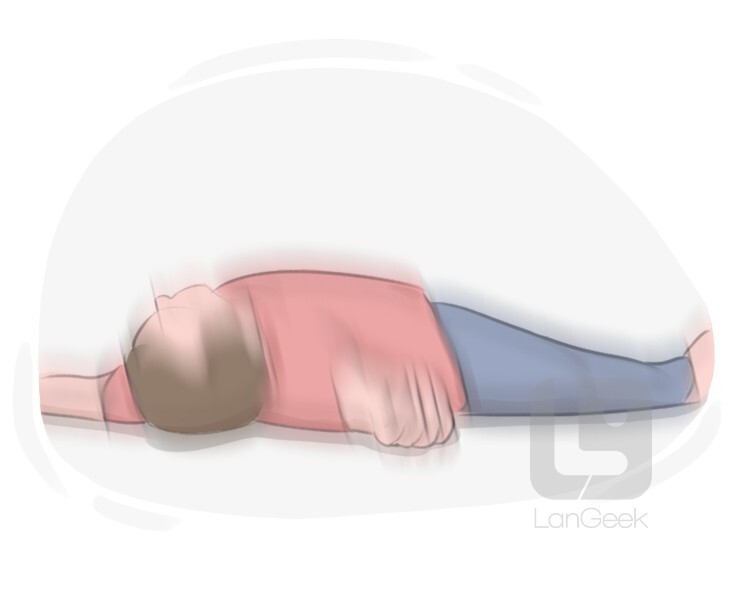
to suddenly lose consciousness from a lack of oxygen in the brain, which is caused by a shock, etc.
Intransitive
语法信息
形态构成
简单词
动作动词
规则
现在时
faint
第三人称单数
faints
现在分词
fainting
一般过去时
fainted
过去分词
fainted
例子
Witnessing the accident made her faint, and she collapsed on the spot.
目睹事故让她昏倒,当场倒下。
例子
As the sun set, the colors of the sky began to faint into darkness.
随着太阳落山,天空的颜色开始淡入黑暗中。
例子
He began to faint in the face of overwhelming challenges.
在压倒性的挑战面前,他开始犹豫。


