






























faint
01
弱い, かすかな
barely noticeable or weak in intensity
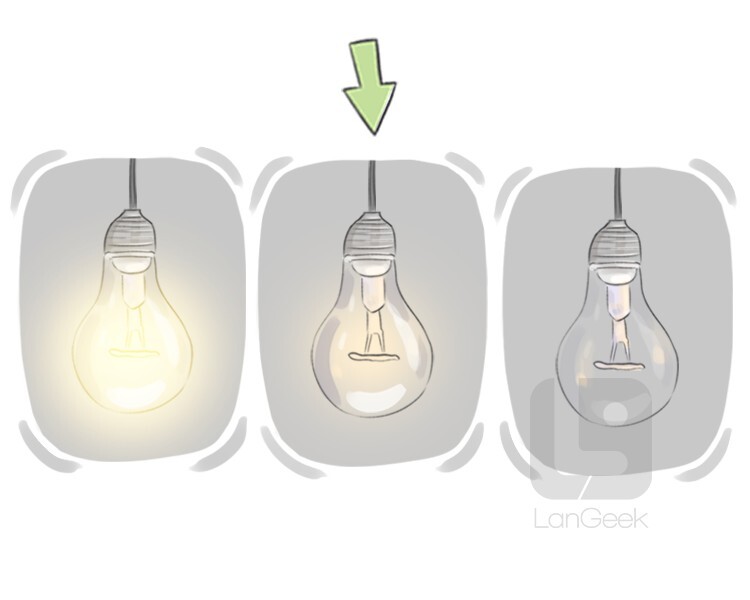
例
He felt a faint sense of unease as he entered the dark room.
彼は暗い部屋に入るとき、かすかな不安感を感じた。
文法情報
形態的構成
単純語
性質形容詞
最上級
faintest
比較級
fainter
程度表現可
分野
perception, intensity, sensation
例
The faint sound of music could be heard from the distant house.
遠くの家から音楽のかすかな音が聞こえた。
03
弱い, かすかな
performed or done weakly or with little energy
例
She offered only faint praise for his efforts, indicating a lack of enthusiasm or conviction.
彼女は彼の努力に対して弱い賞賛しか示さず、熱意や確信の欠如を示していた。
例
The heat made him dizzy, and he started to feel faint.
暑さで彼はめまいを感じ、気を失いそうに感じ始めた。
例
The faint approach to the negotiations showed his reluctance to take a firm stance.
交渉への臆病なアプローチは、彼がしっかりとした立場を取ることをためらっていることを示した。
to faint
01
気を失う, 気絶する
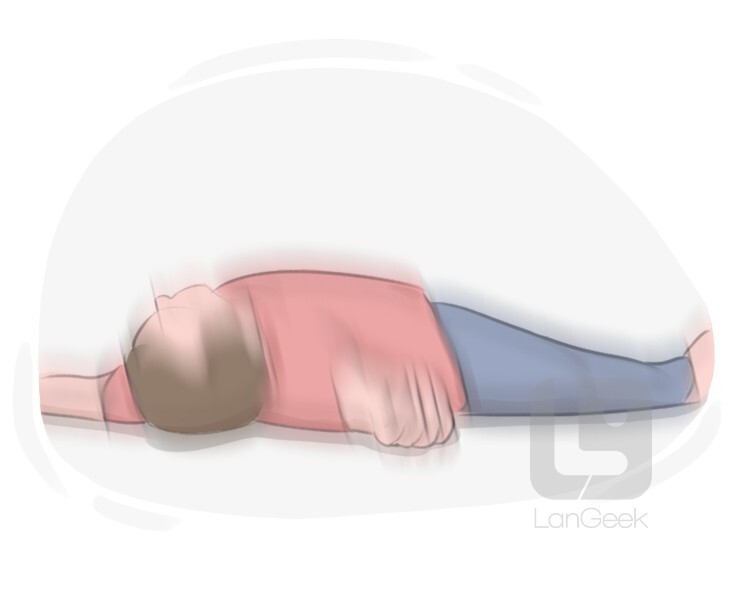
to suddenly lose consciousness from a lack of oxygen in the brain, which is caused by a shock, etc.
Intransitive
文法情報
形態的構成
単純語
動作動詞
規則的
現在時制
faint
三人称単数
faints
現在分詞
fainting
単純過去
fainted
過去分詞
fainted
例
Witnessing the accident made her faint, and she collapsed on the spot.
事故を目撃したことが彼女を気絶させ、その場で倒れた。
例
As the sun set, the colors of the sky began to faint into darkness.
太陽が沈むにつれて、空の色は暗闇の中に薄れ始めました。
例
He began to faint in the face of overwhelming challenges.
彼は圧倒的な挑戦に直面してためらい始めた。
LanGeek
モバイルアプリをダウンロード

語彙ツリー
faintly
faintness
faint

