Caută
Selectați limba dicționarului
faint
01
slab, ușor
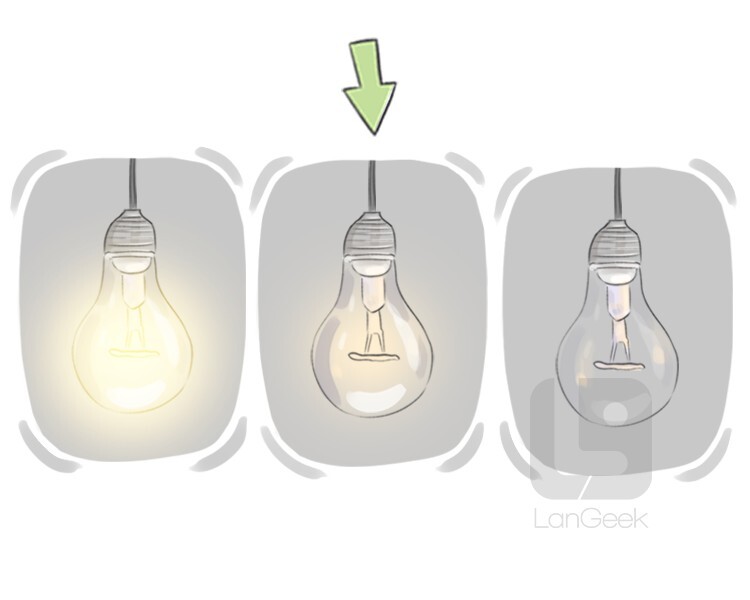
barely noticeable or weak in intensity
Exemple
He felt a faint sense of unease as he entered the dark room.
A simțit un slab sentiment de neliniște când a intrat în camera întunecată.
She had a faint memory of visiting the place when she was a child.
Avea o amintire vagă despre vizitarea locului când era copil.
Exemple
The faint sound of music could be heard from the distant house.
Sunetul slab al muzicii putea fi auzit din casa îndepărtată.
There was a faint smell of flowers in the air as they walked through the garden.
În aer era un miros slab de flori în timp ce se plimbau prin grădină.
03
slab, timid
performed or done weakly or with little energy
Exemple
She offered only faint praise for his efforts, indicating a lack of enthusiasm or conviction.
Ea a oferit doar o slabă laudă pentru eforturile sale, indicând o lipsă de entuziasm sau convingere.
The athlete 's faint attempt at the high jump fell short, lacking the required strength.
Încercarea slabă a sportivului la săritura în înălțime a fost insuficientă, lipsind puterea necesară.
Exemple
The heat made him dizzy, and he started to feel faint.
Căldura l-a amețit și a început să se simtă slab.
She felt faint after standing for a long time without moving.
S-a simțit ameteală după ce a stat mult timp nemișcată.
Exemple
The faint approach to the negotiations showed his reluctance to take a firm stance.
Abordarea timidă a negocierilor a arătat reticența lui de a adopta o poziție fermă.
Her faint response to the challenge revealed her fear of failure.
Răspunsul ei timid la provocare a revelat frica ei de eșec.
Exemple
Through the fog, I could see the faint outline of a boat in the distance.
Prin ceață, puteam vedea conturul estompat al unei bărci în depărtare.
A faint shadow moved across the room, but I could n’t tell what it was.
O umbră slabă s-a mișcat prin cameră, dar nu am putut spune ce era.
to faint
01
leșina, pierde cunoștința
to suddenly lose consciousness from a lack of oxygen in the brain, which is caused by a shock, etc.
Intransitive
Exemple
Witnessing the accident made her faint, and she collapsed on the spot.
Să fie martor la accident a făcut-o să leșine, și a căzut pe loc.
Prolonged standing in the heat can cause some individuals to faint due to dehydration.
Stând prelungit în căldură poate face ca unii indivizi să leșine din cauza deshidratării.
Exemple
As the sun set, the colors of the sky began to faint into darkness.
Pe măsură ce soarele apunea, culorile cerului au început să pălească în întuneric.
His voice started strong but began to faint as exhaustion took over.
Vocea lui a început puternic dar a început să slăbească pe măsură ce oboseala prelua controlul.
Exemple
He began to faint in the face of overwhelming challenges.
A început să ezite în fața unor provocări copleșitoare.
The soldier refused to faint despite the danger ahead.
Soldatul a refuzat să clatine în ciuda pericolului din față.
Faint
01
leșin, sincopă
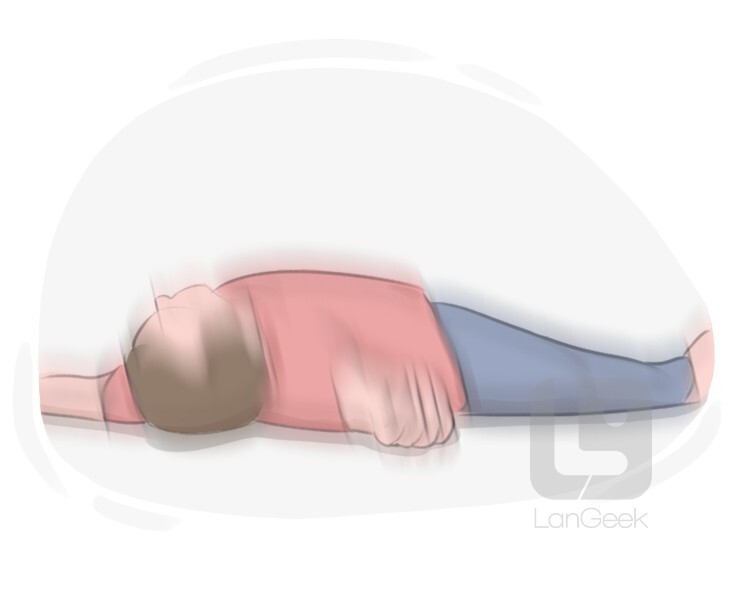
a brief loss of consciousness caused by a temporary drop in blood flow to the brain
Exemple
The sight of blood overwhelmed him, and he fell into a faint on the hospital floor.
Vederea sângelui l-a copleșit și a căzut leșinat pe podeaua spitalului.
Her faint lasted only a few seconds, but it left her feeling weak and disoriented.
Leșinul ei a durat doar câteva secunde, dar a lăsat-o să se simtă slabă și dezorientată.
Arbore Lexical
faintly
faintness
faint