

অনুসন্ধান করুন
অভিধানের ভাষা নির্বাচন করুন





























মোকাবেলা করা, সমাধান করা
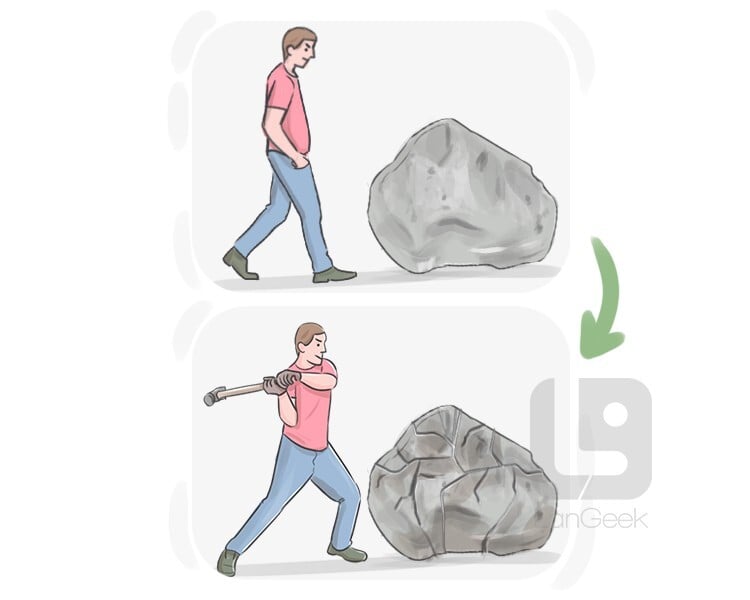
দলটি প্রকল্পের জটিলতাকে পরিচালনাযোগ্য কাজে ভাগ করে মোকাবেলা করার সিদ্ধান্ত নিয়েছে।
ট্যাকল করা, বল কেড়ে নেওয়া
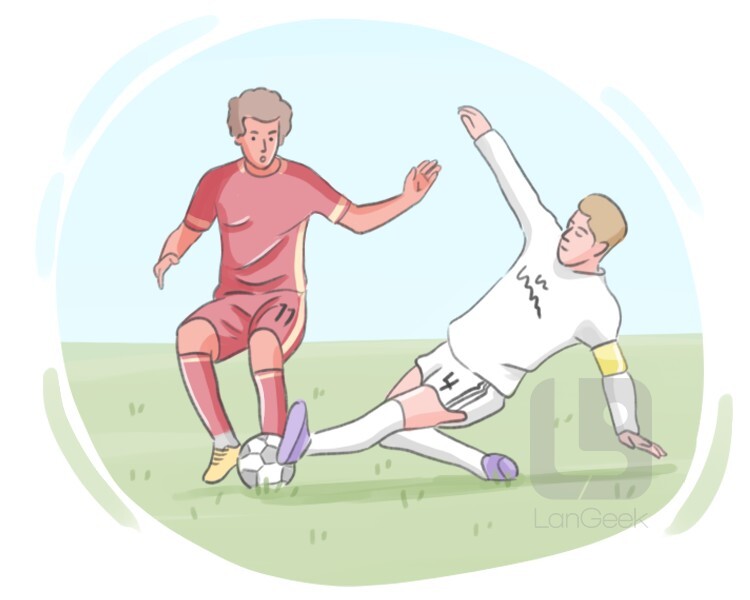
ফাউল এড়াতে তিনি পরিষ্কারভাবে ট্যাকল করেন।
ট্যাকল করা, ফেলে দেওয়া
লাইনব্যাকার কোয়ার্টারব্যাককে পাস করার আগেই ট্যাকল করেছিল।
বাঁধা, সুরক্ষিত করা
দলটি ঝড় আসার আগে পালটি মাস্তুলে বেঁধে দিল।
ট্যাকল করা, থামানো
রাগবি খেলোয়াড় একটি ট্রাই বন্ধ করার জন্য তার প্রতিপক্ষকে শক্ত কিন্তু ন্যায্যভাবে ট্যাকল করেছিলেন।
ট্যাকল খেলোয়াড়, ব্লকার খেলোয়াড়
বাম ট্যাকল আসন্ন ডিফেন্ডারদের থেকে কোয়ার্টারব্যাককে রক্ষা করেছিল।
ট্যাকল, ধরা
লাইনব্যাকার এন্ড জোনের কাছে একটি পরিষ্কার ট্যাকল করল।
ট্যাকল, ট্যাকল খেলোয়াড়
ট্যাকল স্ন্যাপের আগে গার্ডের পাশে সারিবদ্ধ হয়।
জাহাজের সরঞ্জাম, দড়ি ও পুলি
নাবিকেরা যাত্রা শুরু করার আগে জাহাজের সরঞ্জাম পরীক্ষা করেছিল।
মাছ ধরার সরঞ্জাম, মাছ ধরার উপকরণ
সে দোকান থেকে নতুন মাছ ধরা সরঞ্জাম কিনেছে।
ট্যাকল, বল কেড়ে নেওয়া
ডিফেন্ডার স্ট্রাইকারকে থামাতে দ্রুত ট্যাকল করল।
LanGeek
আমাদের মোবাইল অ্যাপ ডাউনলোড করুন

শব্দতাত্ত্বিক গাছ

