






























to orient
01
方向を定める, 位置を調整する
to determine or adjust the direction of an object or oneself in relation to specific directions or reference points
Transitive: to orient sth
文法情報
形態的構成
単純語
動作動詞
規則的
現在時制
orient
三人称単数
orients
現在分詞
orienting
単純過去
oriented
過去分詞
oriented
例
The archaeologist carefully oriented the excavation site based on cardinal directions.
考古学者は、基本方位に基づいて発掘現場を注意深く方向付けした。
02
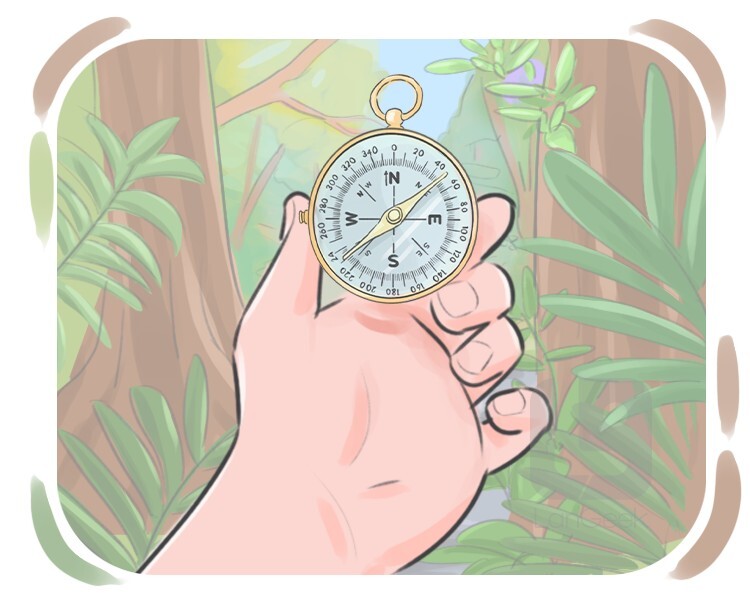
方向を定める, 自分の位置を確認する
to establish or find one's position in relation to the cardinal points
Transitive: to orient oneself
例
Lost in the forest, the hiker used a compass to orient himself and find the correct path.
森で迷ったハイカーは、コンパスを使って自分を方向付け、正しい道を見つけました。
03
向ける, 整列させる
to align or position something in a specified orientation
Transitive: to orient sth | to orient sth to a direction
例
The gardeners oriented the flower beds towards the sunlight to ensure optimal growth.
庭師は最適な成長を確保するために花壇を日光に向けて配置しました。
04
向ける, 合わせる
to tailor or direct a product, message, or content to align with the interests or needs of a specific target audience
Transitive: to orient a product or message to a target audience
例
The marketing team oriented the advertising campaign to a younger demographic.
マーケティングチームは広告キャンペーンをより若い人口統計層に向けた。
05
方向付ける, 導く
to help someone become accustomed to an environment or situation
Transitive: to orient sb to a place or condition
例
The mentor oriented the new employee to the office layout.
メンターは新しい従業員をオフィスのレイアウトに順応させた。
Orient
01
東洋, オリエント
a historical or literary term referring to the regions of the East, particularly Asia or the Far East
文法情報
有生性の状態
抽象的
形態的構成
単純語
不可算
singular
not gender specific
例
The explorers marveled at the mysteries of the Orient, from ancient cities to exotic cultures.
探検家たちは、古代都市からエキゾチックな文化まで、オリエントの神秘に驚嘆しました。
02
東洋, アジア諸国
regions or countries located in the eastern part of the world, especially Asian countries
Orient
01
東洋, アジア諸国
regions or countries located in the eastern part of the world, especially Asian countries
文法情報
有生性の状態
抽象的
形態的構成
単純語
不可算
singular
not gender specific
LanGeek
モバイルアプリをダウンロード

語彙ツリー
disorient
orientate
oriented
orient

