






























to orient
01
방향을 잡다, 조정하다
to determine or adjust the direction of an object or oneself in relation to specific directions or reference points
Transitive: to orient sth
문법 정보
형태적 구성
단순어
동작 동사
규칙
현재 시제
orient
3인칭 단수
orients
현재분사
orienting
단순 과거
oriented
과거분사
oriented
예시들
The archaeologist carefully oriented the excavation site based on cardinal directions.
고고학자는 기본 방향을 기준으로 발굴 현장을 신중하게 방향을 정했다.
02
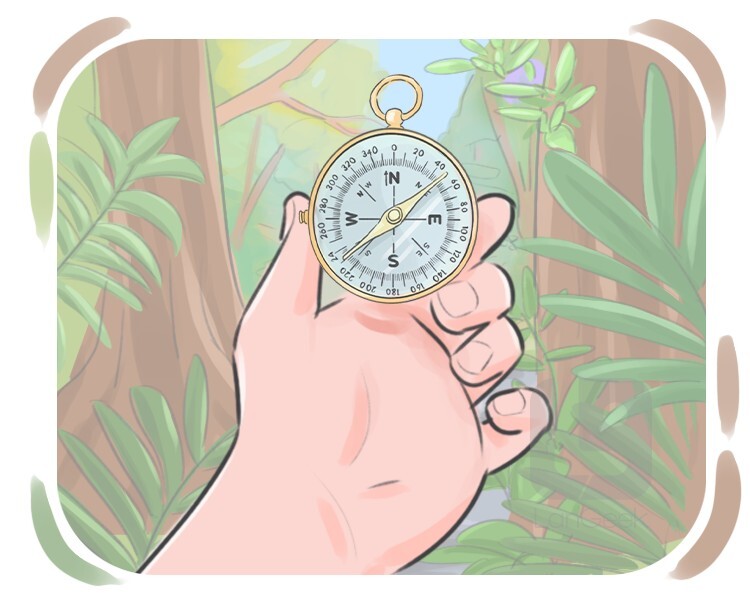
방향을 잡다, 자신의 위치를 확인하다
to establish or find one's position in relation to the cardinal points
Transitive: to orient oneself
예시들
Lost in the forest, the hiker used a compass to orient himself and find the correct path.
숲에서 길을 잃은 하이커는 나침반을 사용하여 자신을 방향 잡고 올바른 길을 찾았습니다.
03
방향을 잡다, 정렬하다
to align or position something in a specified orientation
Transitive: to orient sth | to orient sth to a direction
예시들
The gardeners oriented the flower beds towards the sunlight to ensure optimal growth.
정원사들은 최적의 성장을 보장하기 위해 화단을 햇빛 쪽으로 향하게 했습니다.
04
지향하다, 맞추다
to tailor or direct a product, message, or content to align with the interests or needs of a specific target audience
Transitive: to orient a product or message to a target audience
예시들
The marketing team oriented the advertising campaign to a younger demographic.
마케팅 팀은 광고 캠페인을 더 젊은 인구 통계학적 그룹으로 지향했습니다.
05
안내하다, 적응시키다
to help someone become accustomed to an environment or situation
Transitive: to orient sb to a place or condition
예시들
The mentor oriented the new employee to the office layout.
멘토는 신입 사원에게 사무실 배치를 적응시켰다.
Orient
01
동양, 오리엔트
a historical or literary term referring to the regions of the East, particularly Asia or the Far East
문법 정보
유생성 상태
추상
형태적 구성
단순어
불가산
singular
not gender specific
예시들
The explorers marveled at the mysteries of the Orient, from ancient cities to exotic cultures.
탐험가들은 고대 도시에서 이국적인 문화에 이르기까지 오리엔트의 신비에 경탄했습니다.
02
동양, 아시아 국가
regions or countries located in the eastern part of the world, especially Asian countries
Orient
01
동양, 아시아 국가
regions or countries located in the eastern part of the world, especially Asian countries
문법 정보
유생성 상태
추상
형태적 구성
단순어
불가산
singular
not gender specific
LanGeek
모바일 앱 다운로드

어휘 나무
disorient
orientate
oriented
orient

