

Search
Select the dictionary language





























to capitalize
01
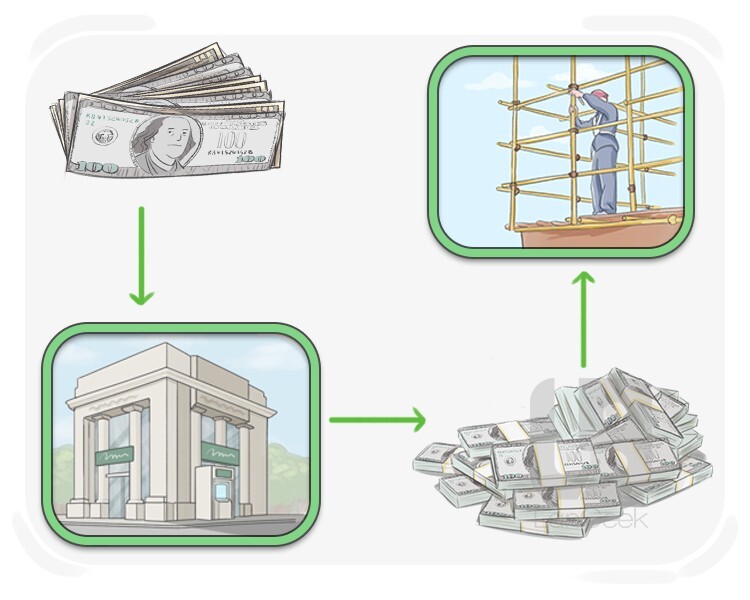
to provide a business with the necessary funds by using a combination of investment from shareholders and loans from lenders
Transitive: to capitalize a business or project
Examples
Entrepreneurs often seek to capitalize their startups through a mix of equity and loans.
02
to take advantage of or make the most of a situation for one's benefit
Intransitive: to capitalize on a situation
Grammatical Information
Composition
derived
Action verb
Regular
Present tense
capitalize
3rd person singular
capitalizes
Present participle
capitalizing
Past simple
capitalized
Past participle
capitalized
Examples
She capitalized on her opponent's mistake and won the match.
03
to turn an asset, income, or resource into capital, typically for investment or business purposes
Transitive: to capitalize sth
Examples
They chose to capitalize their savings by purchasing stocks for long-term growth.
04
to record an expense as an investment in financial accounts, rather than treating them as immediate expenses
Transitive: to capitalize an expense
Examples
The company decided to capitalize the cost of the new software system as an asset.
05
to convert future income or an asset into a present value or capital
Transitive: to capitalize an income
Examples
The investor sought to capitalize the potential profits from the business over the next decade.
06
to write or print a letter or word in uppercase letters
Transitive: to capitalize a word or letter
Examples
Please capitalize the first letter of each sentence in your essay.
LanGeek
Download Our Mobile App

Lexical Tree
overcapitalize
capitalize
capital
capit

