






























to capitalize
01
자본화하다, 자금을 조달하다
to provide a business with the necessary funds by using a combination of investment from shareholders and loans from lenders
Transitive: to capitalize a business or project
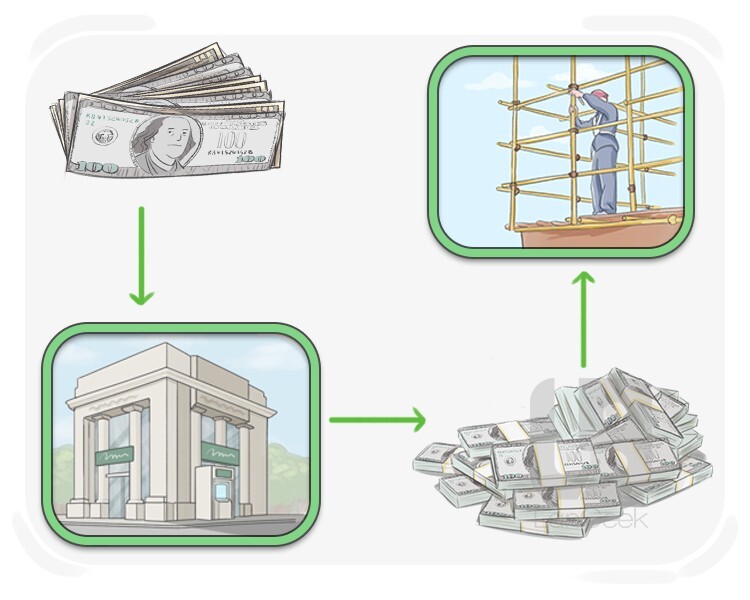
예시들
Entrepreneurs often seek to capitalize their startups through a mix of equity and loans.
기업가들은 종종 자본과 대출을 혼합하여 자신의 스타트업을 자본화하려고 합니다.
02
이용하다, 활용하다
to take advantage of or make the most of a situation for one's benefit
Intransitive: to capitalize on a situation
문법 정보
형태적 구성
파생어
동작 동사
규칙
현재 시제
capitalize
3인칭 단수
capitalizes
현재분사
capitalizing
단순 과거
capitalized
과거분사
capitalized
예시들
She capitalized on her opponent's mistake and won the match.
그녀는 상대의 실수를 이용해 경기에서 승리했다.
03
자본화하다, 자본으로 전환하다
to turn an asset, income, or resource into capital, typically for investment or business purposes
Transitive: to capitalize sth
예시들
They chose to capitalize their savings by purchasing stocks for long-term growth.
그들은 장기 성장을 위해 주식을 구매함으로써 저축을 자본화하기로 선택했습니다.
04
자본화하다, 투자로 기록하다
to record an expense as an investment in financial accounts, rather than treating them as immediate expenses
Transitive: to capitalize an expense
예시들
The company decided to capitalize the cost of the new software system as an asset.
회사는 새로운 소프트웨어 시스템의 비용을 자산으로 자본화하기로 결정했습니다.
05
자본화하다, 미래 수익이나 자산을 현재 가치나 자본으로 전환하다
to convert future income or an asset into a present value or capital
Transitive: to capitalize an income
예시들
The investor sought to capitalize the potential profits from the business over the next decade.
투자자는 향후 10년 동안 사업에서 나올 수 있는 잠재적 이익을 자본화하려고 했습니다.
06
대문자로 쓰다, 활용하다
to write or print a letter or word in uppercase letters
Transitive: to capitalize a word or letter
예시들
Please capitalize the first letter of each sentence in your essay.
에세이의 각 문장의 첫 글자를 대문자로 쓰세요.
LanGeek
모바일 앱 다운로드

어휘 나무
overcapitalize
capitalize
capital
capit

