






























to capitalize
01
資本化する, 資金を調達する
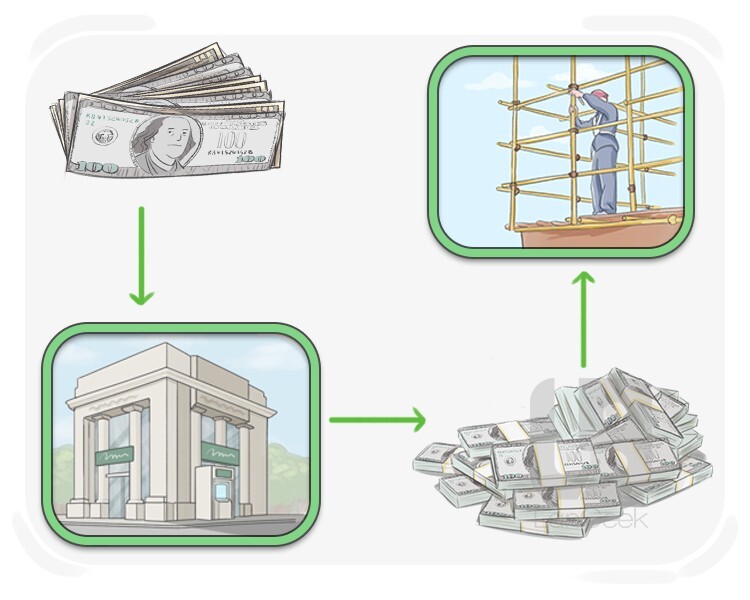
to provide a business with the necessary funds by using a combination of investment from shareholders and loans from lenders
Transitive: to capitalize a business or project
例
Entrepreneurs often seek to capitalize their startups through a mix of equity and loans.
起業家は、しばしば株式とローンを組み合わせてスタートアップを資本化しようとします。
02
利用する, 活かす
to take advantage of or make the most of a situation for one's benefit
Intransitive: to capitalize on a situation
文法情報
形態的構成
派生語
動作動詞
規則的
現在時制
capitalize
三人称単数
capitalizes
現在分詞
capitalizing
単純過去
capitalized
過去分詞
capitalized
例
She capitalized on her opponent's mistake and won the match.
彼女は相手のミスを利用し、試合に勝った。
03
資本化する, 資本に変える
to turn an asset, income, or resource into capital, typically for investment or business purposes
Transitive: to capitalize sth
例
They chose to capitalize their savings by purchasing stocks for long-term growth.
彼らは長期成長のために株式を購入することで貯蓄を資本化することを選んだ。
04
資本化する, 投資として計上する
to record an expense as an investment in financial accounts, rather than treating them as immediate expenses
Transitive: to capitalize an expense
例
The company decided to capitalize the cost of the new software system as an asset.
同社は新しいソフトウェアシステムのコストを資産として資本化することを決定しました。
05
資本化する, 将来の収益を現在の価値または資本に変換する
to convert future income or an asset into a present value or capital
Transitive: to capitalize an income
例
The investor sought to capitalize the potential profits from the business over the next decade.
投資家は、今後10年間でビジネスから得られる潜在的な利益を資本化しようとしました。
06
大文字にする, 利用する
to write or print a letter or word in uppercase letters
Transitive: to capitalize a word or letter
例
Please capitalize the first letter of each sentence in your essay.
エッセイの各文の最初の文字を大文字にしてください。
LanGeek
モバイルアプリをダウンロード

語彙ツリー
overcapitalize
capitalize
capital
capit

