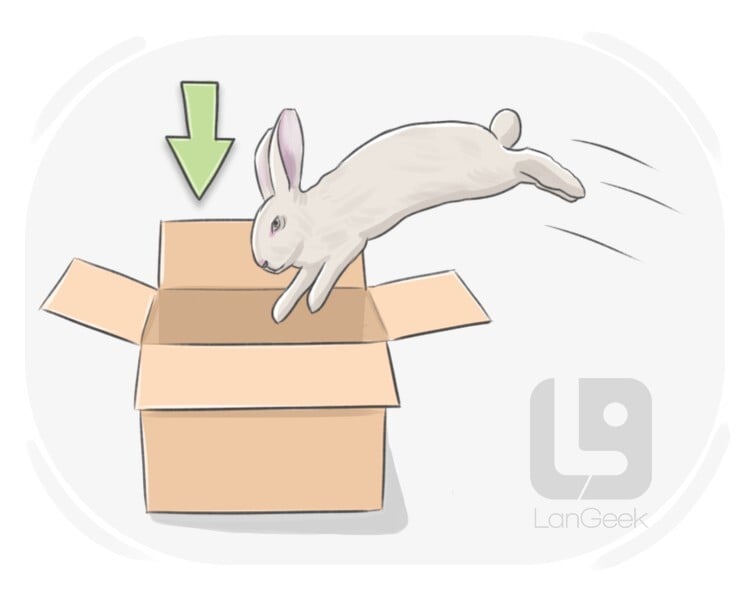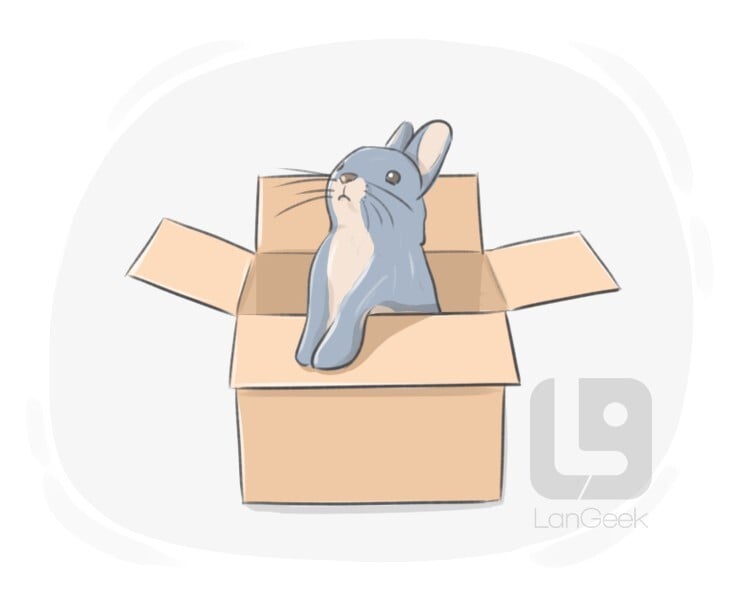
in
例
They live in a big house.
彼らは大きな家 に 住んでいます。
02
に, で
used to show when something happens within a particular time frame
例
The flowers bloom in spring.
花は春に咲きます。
03
で, の中に
used to indicate being in a particular situation, mood, or physical state
例
She was in tears after hearing the news.
彼女はその知らせを聞いて涙に暮れていた。
例
He winced in pain after the fall.
彼は転んだ後、痛みで顔をしかめた。
05
で, において
used to indicate a particular characteristic being measured, judged, or noticed
例
They are similar in tone but not in content.
それらはトーンでは似ているが、内容ではそうではない。
06
で, に
used to indicate that something or someone is part of a particular group, place, or thing
例
She is the only woman in the board of directors.
彼女は取締役会 で 唯一の女性です。
07
で, に
used to indicate someone's participation in a profession, industry, or institution
例
She 's in advertising and works with big brands.
彼女は広告業界で働いていて、大きなブランドと仕事をしています。
08
で, において
used to indicate the language or means of communication
例
The book is written in English.
その本は英語で書かれています。
09
で、において
used to indicate the context or sphere within which the action is taking place
例
In managing a team, effective communication is crucial.
チームの管理において、効果的なコミュニケーションが重要です。
9.1
理論上, 理論的には
used to express a perspective, opinion, or limited scope
例
In theory, it should work.
理論上、それは機能するはずです。
10
に
used to describe the relationship between one part and the whole
例
One in five voters supported the measure.
5人の有権者のうち1人がこの措置を支持しました。
11
に, の中で
used to indicate spatial organization or structure
例
The chairs are placed in a circle.
椅子は円形に配置されています。
12
で, を着て
used to refer to clothing or uniforms someone is wearing
例
He arrived in a sharp black suit.
彼は鋭い黒いスーツで到着した。
13
で, の中に
used to indicate something sensed, heard, or seen
例
He confessed in my hearing.
彼は私の聞いているところで告白した。
14
に, で
used to describe something as part of a person's or thing's natural character or capacity
例
He has it in him to lead.
彼にはリーダーとなる素質がある。
in
例
She stepped in from the rain and shook off her umbrella.
彼女は雨の中から中へ入ってきて、傘を振り払った。
1.1
中に, 内側に
used to indicate being situated or surrounded within a space or enclosure
例
We were locked in for the night.
私たちは一晩中中に閉じ込められていた。
02
到着した, 入った
used to express reaching a place, especially in reference to transport or scheduled events
例
Her flight got in just after midnight.
彼女のフライトは真夜中過ぎに到着した.
03
中に, 内側に
to be placed or merged into a system, structure, or composition
例
Fold the berries in gently at the end.
最後にベリーを優しく中に折り込んでください。
04
内側に, 海岸に向かって
used to refer to moving inland or to the shoreline
例
We set up camp before the tide came in.
私たちは潮が内側に来る前にキャンプを設営しました。
05
内側に, 近くに
(in baseball) used to describe defensive positioning closer to the batter
例
The outfield was playing in for the final out.
外野は最後のアウトのために内側でプレイしていました。
5.1
内側に, 中に
(of a pitch) used to describe a ball thrown near the inside part of the plate
例
He threw a fastball in to jam the hitter.
彼は打者を詰まらせるために速球を内側に投げた。
06
中に, 関与している
used to indicate taking part in or having access to something, often privately, commonly followed by "on"
例
He's in on the plan to restructure the team.
彼はチーム再編の計画に関わっています。
07
良好な関係で, 恩寵の中で
in a favorable or friendly relationship with someone
例
Ever since the project started, she 's been in with the senior managers.
プロジェクトが始まって以来、彼女は上級管理職と良好な関係にある。
7.1
で, に
in a particular type of connection or status, often used in idiomatic expressions
例
She's clearly in bad with her neighbors after the noise complaints.
騒音の苦情の後、彼女は明らかに近所の人たちと悪い関係にある。
08
生産中, 活動中
(of oil well) actively producing oil
例
That new well is finally in.
その新しい井戸はついに生産中です。
09
徐々に, 少しずつ
used to indicate becoming noticeable or clearly perceived
例
The music faded in slowly.
音楽が徐々に聞こえてきた。
10
選ばれた, 就任した
(in politics) used to refer to gaining official power or being voted into a role
例
She was voted in as president.
彼女は大統領に選ばれた。
in
例
Bright neon colors are definitely in this season.
明るいネオンカラーは今シーズン間違いなく 流行っています。
例
The doctor is in today.
医者は今日います。
03
イン, トレンディ
belonging to or identified with a socially exclusive, trendy group
例
Only the in crowd got invited to the private screening.
inの群衆だけがプライベートスクリーニングに招待されました。
例
The in part of the ring has a secret engraving.
リングの内側の部分には秘密の刻印があります。
05
境界内, 有効
(of a ball in sports) having landed or remained inside the boundaries of play
例
The referee called it in, but the other team challenged.
審判はそれをインと呼んだが、相手チームが異議を唱えた。
例
The in party is facing criticism for rising inflation.
与党はインフレの上昇に対して批判に直面しています。
例
The in train arrived on time.
中の電車は時間通りに到着しました。
08
利用可能, 到着した
having arrived, reported, or been finalized
例
The results are finally in.
結果がついに届いた。
09
利益のある, 儲かる
having gained or made money by a specific amount
例
He's in a couple thousand dollars from crypto.
彼は暗号通貨で数千ドルの利益を得ています。
10
内部の, 特定のグループにのみ関連する
familiar or relevant only to a specific group, requiring inside knowledge
例
That was definitely an in joke, they all laughed except me.
それは間違いなく内輪のジョークで、私以外はみんな笑った。
11
で, 中に
having reached a specified amount or point in time, money, consumption, etc.
例
I'm already two hours in and barely halfway through.
私はすでに2時間入っていて、やっと半分です。
12
参加する意思がある, 準備ができている
willing, ready, or on board to participate in something
例
I'm in for taking on this project.
私はこのプロジェクトを引き受けることに乗り気です。
In
01
内部の者, 権力の座にある者
a person who currently holds a position of power, influence, or insider status
例
The voters were tired of the ins and wanted a complete change in leadership.
有権者はインサイダーにうんざりしており、リーダーシップの完全な変更を望んでいました。
in-
01
不, イム
used to indicate negation or absence
例
The results were incomplete, so the study had to continue.
結果は不完全だったため、研究を続けなければならなかった。
02
イン-, 侵入-
used to express movement inward or involvement
例
The spy was trained to infiltrate enemy territory.
スパイは敵の領土に潜入するために訓練されました。