Keresés
Vålassza ki a szótår nyelvét
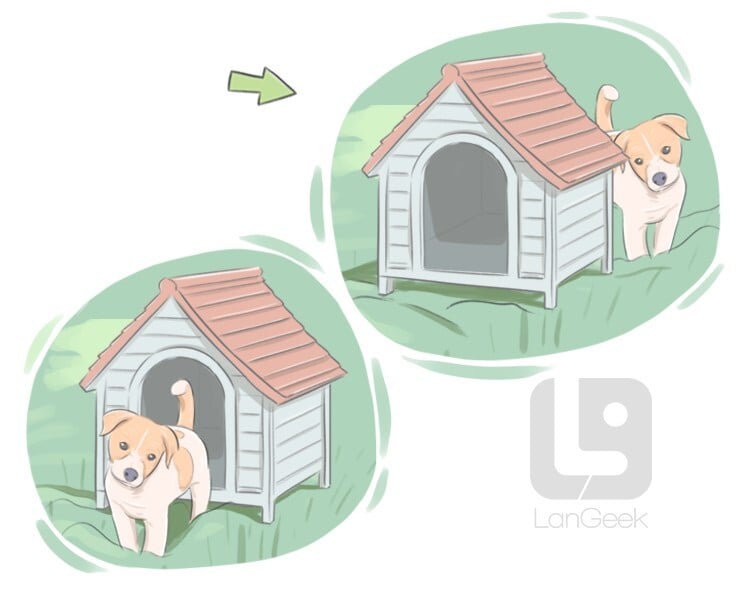
behind
01
mögött, håtul
at the rear or back side of an object or area
Példåk
The school is situated behind the church.
Az iskola a templom mögött talålható.
Példåk
The river flows behind the old mill.
A folyó a régi malom mögött folyik.
1.2
mögött, tĂșl
further back in time or depth
Példåk
The origins of the legend go behind even the oldest texts.
A legenda eredete mĂ©g a legrĂ©gebbi szövegeknĂ©l is tovĂĄbb nyĂșlik vissza.
Példåk
The dog trotted behind its owner.
A kutya mögött szaladt a gazdåjånak.
2.1
mögött, utån
after someone who has passed through a door or space
Példåk
She stormed out, slamming the door behind her.
DĂŒhösen kirohant, Ă©s becsapta az ajtĂłt mögötte.
Példåk
Years of hard work were behind her success.
Ăvek kemĂ©ny munkĂĄja ĂĄllt a sikerĂ©nek hĂĄtterĂ©ben.
04
mögött, tĂșllĂ©pett
no longer in mind or consideration
Példåk
His criminal past was finally behind him.
BƱnös mĂșltja vĂ©gre mögötte maradt.
Példåk
The company 's CEO is fully behind the new product launch.
A cĂ©g vezĂ©rigazgatĂłja teljes mĂ©rtĂ©kben tĂĄmogatja az Ășj termĂ©k bevezetĂ©sĂ©t.
5.1
mögött, élén
in charge of organizing or leading an event or situation
Példåk
She was behind the project that transformed the company.
Ć ĂĄllt a vĂĄllalatot ĂĄtalakĂtĂł projekt hĂĄtterĂ©ben.
5.2
hĂĄla, tĂĄmogatĂĄsĂĄval
with the support or influence of something
Példåk
The bill passed behind strong public support.
A törvĂ©nyjavaslatot erĆs közvĂ©lemĂ©ny-tĂĄmogatĂĄs mellett fogadtĂĄk el.
Példåk
She is working hard to catch up and not remain behind her peers.
Keményen dolgozik, hogy utolérje és ne maradjon le a tårsai mögött.
6.1
mögött, lemaradva a menetrendrĆl
used to express being late or delayed compared to others or a schedule
Példåk
The report is behind deadline and needs to be finished immediately.
A jelentés lemaradt és azonnal be kell fejezni.
behind
Példåk
The children ran behind when the bell rang for recess.
A gyerekek mögött futottak, amikor csengtek a szĂŒnetre.
02
håtra, mögött
remaining after an event or person has passed
Példåk
When the train left, he was left behind on the platform.
Amikor a vonat elindult, Ć hĂĄtra maradt a peronon.
03
mögött, elmĂșlt
in a time that has already passed
Példåk
Once the decision was made, all doubts were left behind.
Miutån meghoztåk a döntést, minden kétség håtrahagyva.
04
mögött, lemaradva
in a state of lesser development, achievement, or advancement compared to others
Példåk
They dropped behind in their work due to technical difficulties.
MƱszaki nehézségek miatt lemaradtak a munkåjukban.
4.1
mögött, håtra
(in a contest) in a lower scoring position compared to another competitor
Példåk
The polls showed him as much as 50 points behind his rival.
A felmérések szerint akår 50 ponttal is lemaradhat a rivålisåtól.
Példåk
The team is behind on their assignments this week.
A csapat lemaradt a feladatairól ezen a héten.
5.1
hĂĄtul, elmaradt
used to describe being late in paying debts or fulfilling obligations
Példåk
The company is behind on paying its suppliers.
A cĂ©g lemaradt a beszĂĄllĂtĂłinak fizetĂ©sĂ©vel.