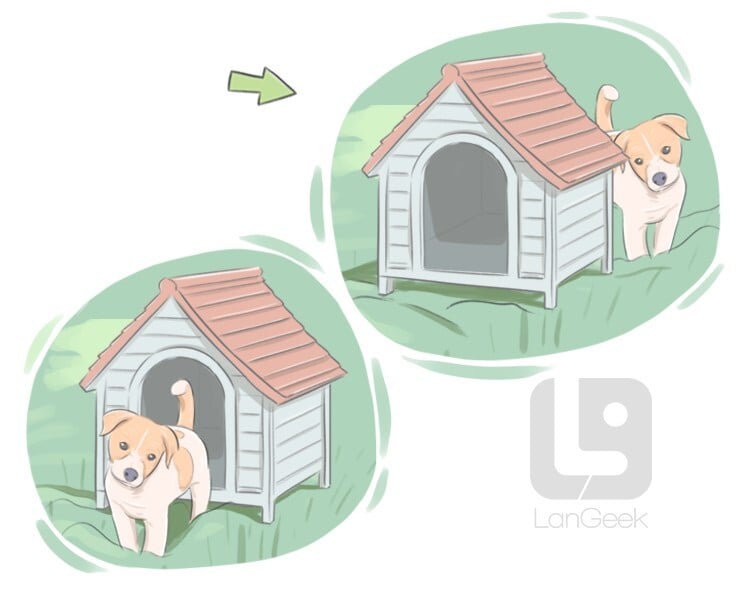
behind
be
bÉĒ
bi
hind
ˈhaÉĒnd
haind
/bÉĒˈhaÉĒnd/

āχāĻ‚āϰ⧇āϜāĻŋāϤ⧇ "behind"āĻāϰ āϏāĻ‚āĻœā§āĻžāĻž āĻ“ āĻ…āĻ°ā§āĻĨ

01

āĻĒāĻŋāĻ›āύ⧇, āĻāϰ āĻĒāĻŋāĻ›āύ⧇

at the rear or back side of an object or area
behind definition and meaning
āωāĻĻāĻžāĻšāϰāĻŖ
The school is situated behind the church.
āĻ¸ā§āϕ⧁āϞāϟāĻŋ āĻ—āĻŋāĻ°ā§āϜāĻžāϰ āĻĒāĻŋāĻ›āύ⧇ āĻ…āĻŦāĻ¸ā§āĻĨāĻŋāϤāĨ¤
1.1

āĻĒāĻŋāĻ›āύ⧇, āĻ“āĻĒāĻžāϰ⧇

on the farther side of an object or location
āωāĻĻāĻžāĻšāϰāĻŖ
The river flows behind the old mill.
āύāĻĻā§€āϟāĻŋ āĻĒ⧁āϰāĻžāύ⧋ āĻŽāĻŋāϞ⧇āϰ āĻĒāĻŋāĻ›āύ⧇ āĻĒā§āϰāĻŦāĻžāĻšāĻŋāϤ āĻšāϝāĻŧāĨ¤
1.2

āĻĒāĻŋāĻ›āύ⧇, āĻ…āϤ⧀āϤ

further back in time or depth
āωāĻĻāĻžāĻšāϰāĻŖ
The origins of the legend go behind even the oldest texts.
āĻ•āĻŋāĻ‚āĻŦāĻĻāĻ¨ā§āϤāĻŋāϰ āĻ‰ā§ŽāĻĒāĻ¤ā§āϤāĻŋ āϏāĻŦāĻšā§‡āϝāĻŧ⧇ āĻĒā§āϰāĻžāĻšā§€āύ āĻ—ā§āϰāĻ¨ā§āĻĨāϗ⧁āϞāĻŋāϰ āĻĨ⧇āϕ⧇āĻ“ āĻĒāĻŋāĻ›āύ⧇ āϚāϞ⧇ āϝāĻžāϝāĻŧāĨ¤
02

āĻĒāĻŋāĻ›āύ⧇, āĻ…āύ⧁āϏāϰāĻŖ āĻ•āϰ⧇

following in procession or order
āωāĻĻāĻžāĻšāϰāĻŖ
The dog trotted behind its owner.
āϕ⧁āϕ⧁āϰāϟāĻŋ āϤāĻžāϰ āĻŽāĻžāϞāĻŋāϕ⧇āϰ āĻĒāĻŋāĻ›āύ⧇ āĻĻ⧌āĻĄāĻŧāĻžāĻšā§āĻ›āĻŋāϞāĨ¤
2.1

āĻĒāĻŋāĻ›āύ⧇, āĻĒāϰ⧇

after someone who has passed through a door or space
āωāĻĻāĻžāĻšāϰāĻŖ
She stormed out, slamming the door behind her.
āϤāĻŋāύāĻŋ āϰ⧇āϗ⧇ āĻŦ⧇āϰāĻŋāϝāĻŧ⧇ āϗ⧇āϞ⧇āύ, āϤāĻžāϰ āĻĒāĻŋāĻ›āύ⧇ āĻĻāϰāϜāĻž āϧāϰ⧇ āĻĻāĻŋāϝāĻŧ⧇āĨ¤
03

āĻĒāĻŋāĻ›āύ⧇, āĻ…āϤ⧀āϤ

underlying but not immediately apparent
āωāĻĻāĻžāĻšāϰāĻŖ
Years of hard work were behind her success.
āĻ•āĻ ā§‹āϰ āĻĒāϰāĻŋāĻļā§āϰāĻŽā§‡āϰ āĻŦāĻ›āϰāϗ⧁āϞāĻŋ āϤāĻžāϰ āϏāĻžāĻĢāĻ˛ā§āϝ⧇āϰ āĻĒāĻŋāĻ›āύ⧇ āĻ›āĻŋāϞāĨ¤
04

āĻĒāĻŋāĻ›āύ⧇, āĻ…āϤāĻŋāĻ•ā§āϰāĻžāĻ¨ā§āϤ

no longer in mind or consideration
āωāĻĻāĻžāĻšāϰāĻŖ
His criminal past was finally behind him.
āϤāĻžāϰ āĻ…āĻĒāϰāĻžāϧāĻŽā§‚āϞāĻ• āĻ…āϤ⧀āϤ āĻ…āĻŦāĻļ⧇āώ⧇ āĻĒāĻŋāĻ›āύ⧇ āĻ›āĻŋāϞāĨ¤
05

āĻĒāĻŋāĻ›āύ⧇, āϏāĻŽāĻ°ā§āĻĨāύ⧇

used to indicate support or endorsement of someone or something
āωāĻĻāĻžāĻšāϰāĻŖ
The company 's CEO is fully behind the new product launch.
āϕ⧋āĻŽā§āĻĒāĻžāύāĻŋāϰ āϏāĻŋāχāĻ“ āϏāĻŽā§āĻĒā§‚āĻ°ā§āĻŖāĻ­āĻžāĻŦ⧇ āύāϤ⧁āύ āĻĒāĻŖā§āϝ āϞāĻžā§āĻšā§‡āϰ āĻĒāĻŋāĻ›āύ⧇ āφāϛ⧇āύāĨ¤
5.1

āĻĒāĻŋāĻ›āύ⧇, āύ⧇āϤ⧃āĻ¤ā§āĻŦ⧇

in charge of organizing or leading an event or situation
āωāĻĻāĻžāĻšāϰāĻŖ
She was behind the project that transformed the company.
āϤāĻŋāύāĻŋ āϏ⧇āχ āĻĒā§āϰāĻ•āĻ˛ā§āĻĒ⧇āϰ āĻĒāĻŋāĻ›āύ⧇ āĻ›āĻŋāϞ⧇āύ āϝāĻž āϕ⧋āĻŽā§āĻĒāĻžāύāĻŋāϕ⧇ āϰ⧂āĻĒāĻžāĻ¨ā§āϤāϰāĻŋāϤ āĻ•āϰ⧇āĻ›āĻŋāϞāĨ¤
5.2

āϏāĻžāĻšāĻžāĻ¯ā§āϝ⧇, āϏāĻŽāĻ°ā§āĻĨāύ⧇

with the support or influence of something
āωāĻĻāĻžāĻšāϰāĻŖ
The bill passed behind strong public support.
āĻŦāĻŋāϞāϟāĻŋ āϜāύāĻ—āϪ⧇āϰ āĻœā§‹āϰāĻžāϞ⧋ āϏāĻŽāĻ°ā§āĻĨāύ āϏāĻžāĻĨ⧇ āĻĒāĻžāϏ āĻšāϝāĻŧ⧇āϛ⧇āĨ¤
06

āĻĒāĻŋāĻ›āύ⧇, āĻāϰ āϤ⧁āϞāύāĻžāϝāĻŧ āĻĒāĻŋāĻ›āĻŋāϝāĻŧ⧇

used to express a lack of progress, where something or someone is not as far along in development
āωāĻĻāĻžāĻšāϰāĻŖ
She is working hard to catch up and not remain behind her peers.
āϏ⧇ āϤāĻžāϰ āϏāĻšāĻ•āĻ°ā§āĻŽā§€āĻĻ⧇āϰ āĻĨ⧇āϕ⧇ āĻĒāĻŋāĻ›āĻŋā§Ÿā§‡ āύāĻž āĻĨāĻžāĻ•āϤ⧇ āĻāĻŦāĻ‚ āϤāĻžāϞ āĻŽāĻŋāϞāĻžāϤ⧇ āĻ•āĻ ā§‹āϰ āĻĒāϰāĻŋāĻļā§āϰāĻŽ āĻ•āϰāϛ⧇āĨ¤
6.1

āĻĒāĻŋāĻ›āύ⧇, āϏāĻŽāϝāĻŧāϏ⧂āĻšā§€āϰ āĻĒāĻŋāĻ›āύ⧇

used to express being late or delayed compared to others or a schedule
āωāĻĻāĻžāĻšāϰāĻŖ
The report is behind deadline and needs to be finished immediately.
āϰāĻŋāĻĒā§‹āĻ°ā§āϟāϟāĻŋ āĻĒāĻŋāĻ›āĻŋāϝāĻŧ⧇ āφāϛ⧇ āĻāĻŦāĻ‚ āĻāϟāĻŋ āĻ…āĻŦāĻŋāϞāĻŽā§āĻŦ⧇ āĻļ⧇āώ āĻ•āϰāϤ⧇ āĻšāĻŦ⧇āĨ¤
01

āĻĒāĻŋāĻ›āύ⧇, āĻĒāĻļā§āϚāĻžāϤ⧇

at the rear, far side, or back side of something
behind definition and meaning
āωāĻĻāĻžāĻšāϰāĻŖ
The children ran behind when the bell rang for recess.
āĻŦāĻžāĻšā§āϚāĻžāϰāĻž āĻĒāĻŋāĻ›āύ⧇ āĻĻ⧌āĻĄāĻŧ⧇āĻ›āĻŋāϞ āϝāĻ–āύ āĻŦāĻŋāϰāϤāĻŋāϰ āϜāĻ¨ā§āϝ āϘāĻŖā§āϟāĻž āĻŦāĻžāϜāϞāĨ¤
02

āĻĒāĻŋāĻ›āύ⧇, āĻĒ⧇āĻ›āύ⧇ āĻĢ⧇āϞ⧇ āϝāĻžāĻ“āϝāĻŧāĻž

remaining after an event or person has passed
āωāĻĻāĻžāĻšāϰāĻŖ
When the train left, he was left behind on the platform.
āϝāĻ–āύ āĻŸā§āϰ⧇āύāϟāĻŋ āϚāϞ⧇ āϗ⧇āϞ, āϏ⧇ āĻĒā§āĻ˛ā§āϝāĻžāϟāĻĢāĻ°ā§āĻŽā§‡ āĻĒāĻŋāĻ›āύ⧇ āϰāϝāĻŧ⧇ āϗ⧇āϞāĨ¤
03

āĻĒāĻŋāĻ›āύ⧇, āĻ…āϤ⧀āϤ

in a time that has already passed
āωāĻĻāĻžāĻšāϰāĻŖ
Once the decision was made, all doubts were left behind.
āĻāĻ•āĻŦāĻžāϰ āϏāĻŋāĻĻā§āϧāĻžāĻ¨ā§āϤ āύ⧇āĻ“āϝāĻŧāĻž āĻšāϞ⧇, āϏāĻŽāĻ¸ā§āϤ āϏāĻ¨ā§āĻĻ⧇āĻš āĻĒāĻŋāĻ›āύ⧇ āϰ⧇āϖ⧇ āĻĻ⧇āĻ“āϝāĻŧāĻž āĻšāϝāĻŧ⧇āĻ›āĻŋāϞāĨ¤
04

āĻĒāĻŋāĻ›āύ⧇, āĻĒāĻŋāĻ›āĻŋāϝāĻŧ⧇

in a state of lesser development, achievement, or advancement compared to others
āωāĻĻāĻžāĻšāϰāĻŖ
They dropped behind in their work due to technical difficulties.
āĻĒā§āϰāϝ⧁āĻ•ā§āϤāĻŋāĻ—āϤ āĻ…āϏ⧁āĻŦāĻŋāϧāĻžāϰ āĻ•āĻžāϰāϪ⧇ āϤāĻžāϰāĻž āϤāĻžāĻĻ⧇āϰ āĻ•āĻžāĻœā§‡ āĻĒāĻŋāĻ›āĻŋāϝāĻŧ⧇ āĻĒāĻĄāĻŧ⧇āϛ⧇āĨ¤
4.1

āĻĒāĻŋāĻ›āύ⧇, āĻĒāĻŋāĻ›āĻŋāϝāĻŧ⧇

(in a contest) in a lower scoring position compared to another competitor
āωāĻĻāĻžāĻšāϰāĻŖ
The polls showed him as much as 50 points behind his rival.
āϜāϰāĻŋāĻĒ⧇ āĻĻ⧇āĻ–āĻž āϗ⧇āϛ⧇ āϝ⧇ āϤāĻŋāύāĻŋ āϤāĻžāϰ āĻĒā§āϰāϤāĻŋāĻĻā§āĻŦāĻ¨ā§āĻĻā§āĻŦā§€ āĻĨ⧇āϕ⧇ 50 āĻĒāϝāĻŧ⧇āĻ¨ā§āϟ āĻĒāĻŋāĻ›āĻŋāϝāĻŧ⧇ āφāϛ⧇āύāĨ¤
05

āĻĒāĻŋāĻ›āĻŋāϝāĻŧ⧇, āĻŦāĻŋāϞāĻŽā§āĻŦāĻŋāϤ

at a later stage or point in time than expected or planned
āωāĻĻāĻžāĻšāϰāĻŖ
The team is behind on their assignments this week.
āĻĻāϞāϟāĻŋ āĻāχ āϏāĻĒā§āϤāĻžāĻšā§‡ āϤāĻžāĻĻ⧇āϰ āĻ…ā§āϝāĻžāϏāĻžāχāύāĻŽā§‡āĻ¨ā§āĻŸā§‡ āĻĒāĻŋāĻ›āĻŋā§Ÿā§‡ āφāϛ⧇āĨ¤
5.1

āĻĒāĻŋāĻ›āύ⧇, āĻŦāĻžāĻ•āĻŋ

used to describe being late in paying debts or fulfilling obligations
āωāĻĻāĻžāĻšāϰāĻŖ
The company is behind on paying its suppliers.
āϕ⧋āĻŽā§āĻĒāĻžāύāĻŋāϟāĻŋ āϤāĻžāϰ āϏāϰāĻŦāϰāĻžāĻšāĻ•āĻžāϰ⧀āĻĻ⧇āϰ āĻĒā§āϰāĻĻāĻžāύ⧇ āĻĒāĻŋāĻ›āĻŋāϝāĻŧ⧇ āφāϛ⧇āĨ¤
5.2

āĻĒāĻŋāĻ›āĻŋāϝāĻŧ⧇, āĻĒāĻŋāĻ›āύ⧇

(of timepieces) showing a time earlier than the correct time
āωāĻĻāĻžāĻšāϰāĻŖ
The kitchen clock runs behind, which is why dinner was late.
āϰāĻžāĻ¨ā§āύāĻžāϘāϰ⧇āϰ āϘāĻĄāĻŧāĻŋ āĻĒāĻŋāĻ›āĻŋāϝāĻŧ⧇ āφāϛ⧇, āϤāĻžāχ āϰāĻžāϤ⧇āϰ āĻ–āĻžāĻŦāĻžāϰ āĻĻ⧇āϰāĻŋ āĻšāϝāĻŧ⧇āĻ›āĻŋāϞāĨ¤
01

āĻĒāĻŋāĻ›āύ, āύāĻŋāϤāĻŽā§āĻŦ

the fleshy part at the back of a person's body
behind definition and meaning
Informal
āωāĻĻāĻžāĻšāϰāĻŖ
The toddler laughed as he wobbled and plopped down on his behind.
āĻļāĻŋāĻļ⧁āϟāĻŋ āĻšā§‡āϏ⧇ āωāĻ āϞ āϝāĻ–āύ āĻāϟāĻŋ āĻĻ⧁āϞ⧇ āĻĻ⧁āϞ⧇ āĻĒāĻĄāĻŧ⧇ āϗ⧇āϞ āϤāĻžāϰ āĻĒāĻŋāĻ›āύ⧇āĨ¤
LanGeek
āĻ…ā§āϝāĻžāĻĒ āĻĄāĻžāωāύāϞ⧋āĻĄ āĻ•āϰ⧁āύ