






























to tax
01
征税, 课税
to impose a financial charge by the government on income, goods, services, or properties to generate revenue for public services and functions
Transitive: to tax a person or their assets
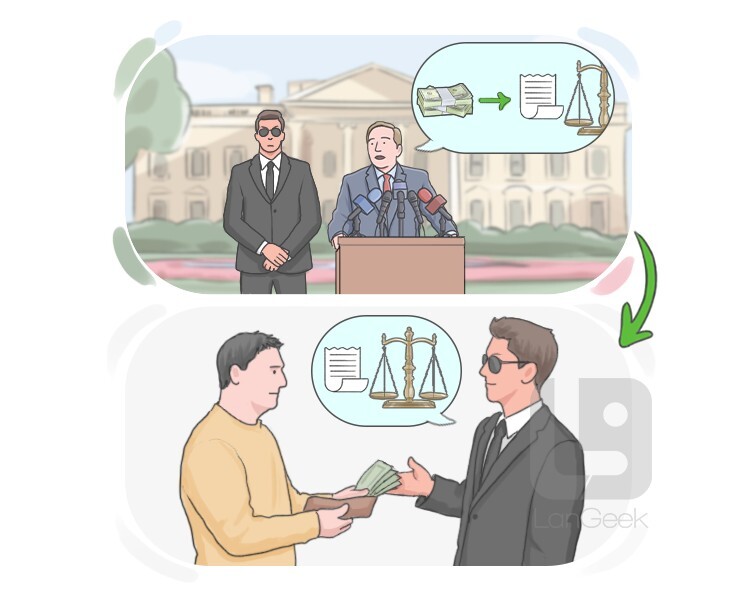
语法信息
形态构成
简单词
动作动词
规则
现在时
tax
第三人称单数
taxes
现在分词
taxing
一般过去时
taxed
过去分词
taxed
例子
Governments often tax income to generate revenue for public services and infrastructure.
政府经常对收入征税,以产生用于公共服务和基础设施的收入。
02
控告, 起诉
to formally accuse someone of wrongdoing or to charge them with an offense
Transitive: to tax sb with sth
例子
The prosecutor taxed him with embezzlement after a lengthy investigation.
经过长时间的调查,检察官以挪用公款罪指控了他。
03
使负重担, 耗尽
to put a great strain on someone's abilities, energy, or resources
Transitive: to tax resources or abilities
例子
The long hours at work really taxed his energy and focus.
长时间的工作真的消耗了他的精力和注意力。
04
征税, 评估
to officially determine or assess the amount of costs or fees in a legal case
Transitive: to tax legal costs
例子
The court will tax the legal fees to be paid by the losing party.
法院将对败诉方支付的法律费用征税。
Tax
语法信息
有生性状态
抽象
形态构成
简单词
可数
singular
not gender specific
复数形式
taxes
例子
April 15th is the deadline for filing income tax returns in the United States.
4月15日是美国提交所得税申报表的截止日期。
LanGeek
下载我们的移动应用

词汇树
overtax
taxer
taxing
tax

