






























to analyze
01
分析する, 検討する
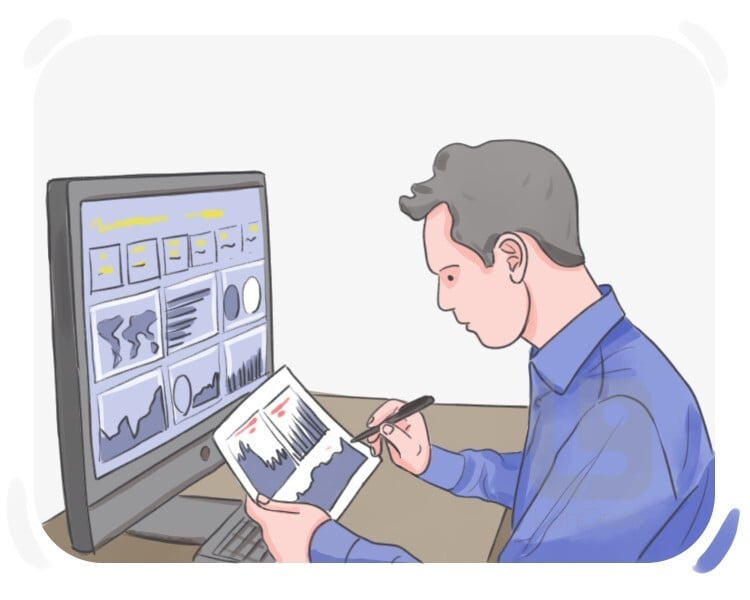
to examine or study something in detail in order to explain or understand it
Transitive: to analyze sth
文法情報
形態的構成
派生語
動作動詞
規則的
現在時制
analyze
三人称単数
analyzes
現在分詞
analyzing
単純過去
analyzed
過去分詞
analyzed
例
The scientist needed to analyze the data to draw meaningful conclusions from the experiment.
科学者は実験から意味のある結論を引き出すためにデータを分析する必要がありました。
02
分析する, 調べる
to look at something closely to understand its parts
Transitive: to analyze structure or composition of something
例
The chemist will analyze the compound to determine its chemical composition.
化学者はその化合物を分析して、その化学組成を決定します。
03
分析する
to examine someone's thoughts, emotions, and behaviors to understand their unconscious motives or psychological state
Transitive: to analyze a psychological factor
例
She sought professional help so the psychologist could analyze her past trauma.
彼女は心理学者が彼女の過去のトラウマを分析できるように専門家の助けを求めた。
04
分析する, 詳細に研究する
to break down and study something in detail, often using scientific or systematic methods
Transitive: to analyze a scientific sample
例
The linguist analyzed the sentence to understand its grammatical components.
言語学者は、文法的な構成要素を理解するためにその文を分析した。
LanGeek
モバイルアプリをダウンロード

語彙ツリー
analytic
analyticity
analyzable
analyze

