






























only
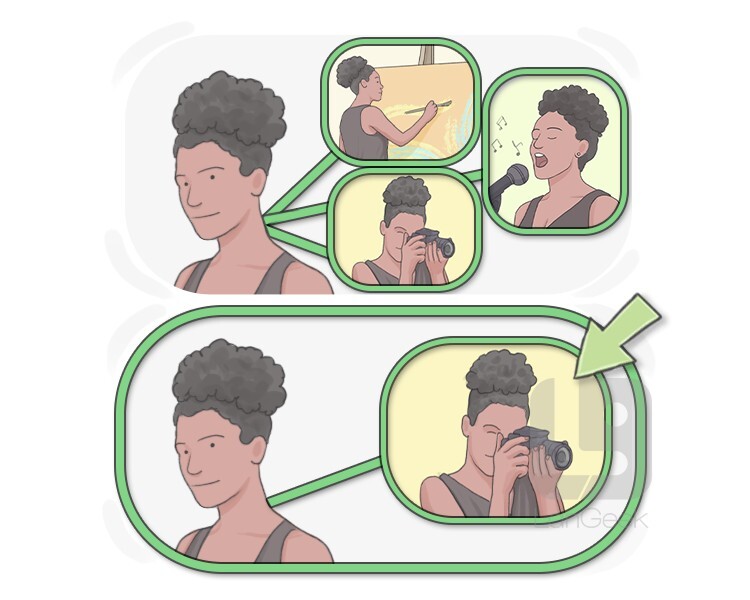
文法情報
比較不可
程度副詞
例
She eats only apples.
彼女はだけリンゴを食べます。
例
He asked for only a glass of water and nothing more.
彼はただ一杯の水を求め、それ以上何も求めなかった。
03
だけ
used to indicate that despite previous efforts or events, the final outcome is inevitable or contrary
例
He worked hard throughout the year, only to find out he missed the promotion.
彼は一年中一生懸命働いたが、結局昇進を逃したことを知った。
04
だけ, のみ
used to introduce a restriction, exception, or limitation to what has been stated
例
He would have passed the test, only he missed the last question.
彼はテストに合格していただろう、ただ最後の質問を逃した。
05
ただ、だけ
used to indicate that something is leading to a negative outcome
例
Procrastinating will only lead to more stress later.
だけ先延ばしにすると、後でより多くのストレスにつながるだけです。
only
01
唯一の, 一人きりの
without another thing or person existing in the same category
文法情報
形態的構成
単純語
性質形容詞
程度表現不可
分野
exclusivity, quantity, family
例
She was the only child in her family, receiving undivided attention from her parents.
彼女は家族の中で唯一の子供で、両親の完全な注目を集めていました。
02
唯一の, 比類ない
unrivaled and singular in excellence or quality, leaving no room for competition
例
This resort is the only place to spend your holiday.
このリゾートは、休暇を過ごす唯一の場所です。
03
唯一の, ただ一つの
referring to one among a very limited number
例
This is one of the only areas not yet explored by researchers.
これは研究者によってまだ探索されていない唯一の領域の一つです。


